
AARP Hearing Center























.jpg?anchor=17,8&q=80&color=ffffffff&u=8wsalu&w=375 "Fall Movie Preview 2026")



















Are You at Higher Risk From Flu, COVID or RSV?
Understanding the warning older adults often hear during cold and flu season
7-minute read


Kyle Hilton
At the start of every flu season, Americans hear a familiar warning: Older adults and people with certain health conditions are at higher risk for respiratory viruses like COVID, flu and RSV.
But what does “higher risk” actually mean — and what should you do with that information?
More Ways to Benefit
- Related Benefit 1
- Related Benefit 2
- Related Benefit 3
- Related Benefit 4
- Related Benefit 5
It’s about outcomes
For most people, being at higher risk is less about catching a virus and more about what happens if you get an infection. If you’re at higher risk and you come down with the flu, COVID or RSV, you may be more likely to have a serious outcome, such as hospitalization, a stay in the ICU or even death.
“By ‘severe disease,’ we mean ‘illness serious enough to get you hospitalized,’ ” says Dr. William Schaffner, a professor of preventive medicine and infectious diseases at Vanderbilt University School of Medicine in Nashville, Tennessee. “Hospitalization is the Rubicon. If you cross that, you’ve had severe disease.”
Several factors can bump a person into a higher-risk category, from lifestyle habits, like smoking, to certain medical conditions that can complicate an infection or recovery from one. For example, people with diabetes face higher odds of a severe outcome from a respiratory infection than people without diabetes. There are also factors that can lower a person’s risk of severe illness, such as being vaccinated.
The Centers for Disease Control and Prevention (CDC) apply the higher-risk label to conditions conclusively shown to increase the odds of a severe outcome, though that risk may vary from person to person.
Individual risk is hard to communicate on a grand scale, says Dr. Kisha Davis, president-elect of the American Academy of Family Physicians. The label’s real job, she adds, is to tell you to take extra precautions.
“It’s kind of like the yellow signal: Slow down, be a little bit more cautious,” Davis says.
Age is the biggest risk factor for severe illness
Of all the risk factors, age matters most. During the 2024-25 flu season, adults 65 and older accounted for 57 percent of flu hospitalizations and 71 percent of flu deaths.
One major reason is that the immune system changes with age.
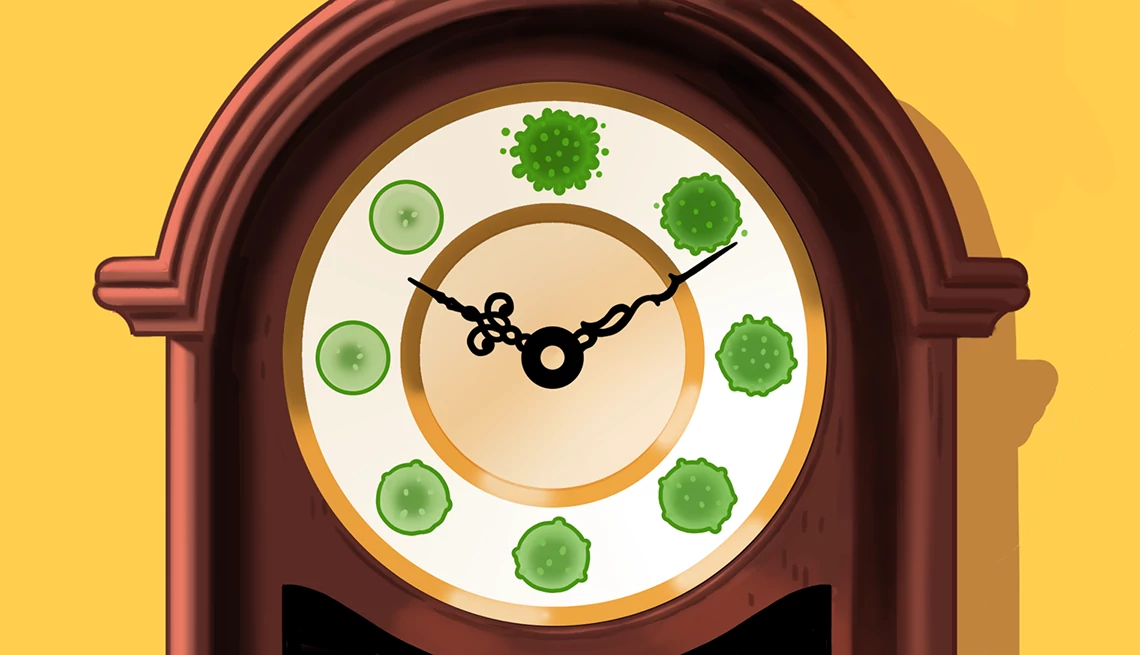
The aging immune system takes longer to recognize a virus, says Dawn Bowdish, a professor of medicine at McMaster University and director of the Firestone Institute for Respiratory Health in Hamilton, Ontario. It doesn’t take weeks longer but hours, maybe a day. And that gives the virus a head start.
When the virus is recognized, the body’s emergency response — inflammation — rushes immune cells and fluid to the trouble spot. With age, inflammation can overreact.
“Once it gets going, one of the big problems is there’s almost too much inflammation,” Bowdish says. That can flood the lungs with fluid, which is how a respiratory infection can turn into pneumonia.
Inflammation is also slow to shut off, she adds, which is why an older adult can feel sick even as the infection subsides.
The heart, lungs and kidneys age too. A younger body can better absorb the strain of a serious infection — the racing heart, labored breathing, dehydration. An older body is working closer to its limits before the virus arrives. And yes, this is true even if you are in top shape.
“As a 75-year-old, I don’t care how many pull-ups you can do. You are at greater risk than a 40-year-old,” Schaffner says.
6 questions to ask your doctor about risk
- Do I have any health conditions that put me at higher risk for a severe outcome?
- Which vaccines do I need this fall?
- Do any of my medications put me in the higher-risk group?
- If I test positive for flu or COVID, am I a candidate for antiviral medicine? If so, how do I start it quickly?
- Which over-the-counter medicines should I avoid, and what should I keep on hand?
- What symptoms require a call to my health care provider?
Common health conditions also affect risk
Chronic conditions add to the risk. The CDC names several, including chronic lung disease, heart disease, diabetes and chronic kidney disease. These conditions can leave the body with less reserve to handle the added stress of an infection. Lungs already scarred by chronic obstructive pulmonary disease (COPD) have less healthy tissue to spare. Kidneys already struggling have little left to give.
This is a warning for nearly every older adult. In 2023, 93 percent of adults 65 and older reported at least one chronic condition.
Obesity can raise risk through more than one route. Extra weight affects how well the lungs work, and the low-grade inflammation that comes with excess fat tissue leaves the immune system running hot before infection even starts.
Being immunocompromised — meaning your body can’t fight infections as easily as it should — also drives risk. Some chronic conditions weaken the immune system. So can certain drugs used to treat them, including prednisone and the biologics prescribed for rheumatoid arthritis, Crohn’s disease and psoriasis.
These drugs are designed to tamp down the immune system, Davis says, to help prevent the complications of a chronic disease. But that also affects how the body responds to everything else and can leave you more susceptible to respiratory illness.
No single health condition outranks the rest, Davis says. “I think they all worry me when they’re out of control,” she adds — which is why managing them is key.
Risk can increase as health conditions stack up. If you’re 65 and living with diabetes and heart disease, Schaffner says, your risk climbs with the count, “and that has been shown very elegantly in epidemiological studies.”

5 ways to lower your risk
You can’t change your age, and you can’t undiagnose a chronic condition. But there are some things you can do to lower your risk of suffering a severe outcome this flu season. Here are five.
1. Get vaccinated
According to the CDC, vaccines remain the most important tool for preventing severe illness from a respiratory virus. Ask your doctor which vaccines you need this season, and know that if you’re 65 or older, recommendations include a high-dose flu vaccine, which gives a sluggish immune system “a little kick,” Bowdish says.
Had a flu shot last year and still got the flu? The vaccine may still have done its job. In older adults, vaccines are somewhat less effective at preventing symptoms but still very good at preventing severe illness. Even vaccinated older adults who land in the hospital are less likely to go to long-term care afterward, Bowdish says: “They don’t get so sick that they lose their independence and mobility.”
2. Keep chronic conditions under control
Getting diabetes or blood pressure to goal “certainly offers some protection” against the most serious complications, Davis says. “You’re taking all your medications. Your A1C is at goal. You’re doing all of the things, and so you, as an individual, might be lower risk.”
Good control doesn’t cancel the higher-risk label, though. Even when a condition is well controlled, Davis says, having one “should be a flag for you that I might need to do a little bit extra.”
3. Build strength
When you’re seriously sick, you lose your appetite. At the same time, fighting the infection burns through energy and protein. With less coming in, the body takes what it needs from muscle, and time in bed speeds the loss. Muscle lost during illness has to be rebuilt, Bowdish says, and the older you are, the longer the climb back.
That’s why the muscle built before you get sick is a buffer. Does someone who strength-trains go into an illness with an advantage? “I would say absolutely,” says N. Travis Triplett, a professor of kinesiology at Appalachian State University in Boone, North Carolina.
For a frail person with little muscle, it doesn’t take much to tip into the danger zone. Someone who does strength training can take the hit and still have enough left.
The good news: It’s never too late to start strength training, Triplett adds. Twice a week is enough, with about three days of recovery between sessions rather than the two a younger person needs.
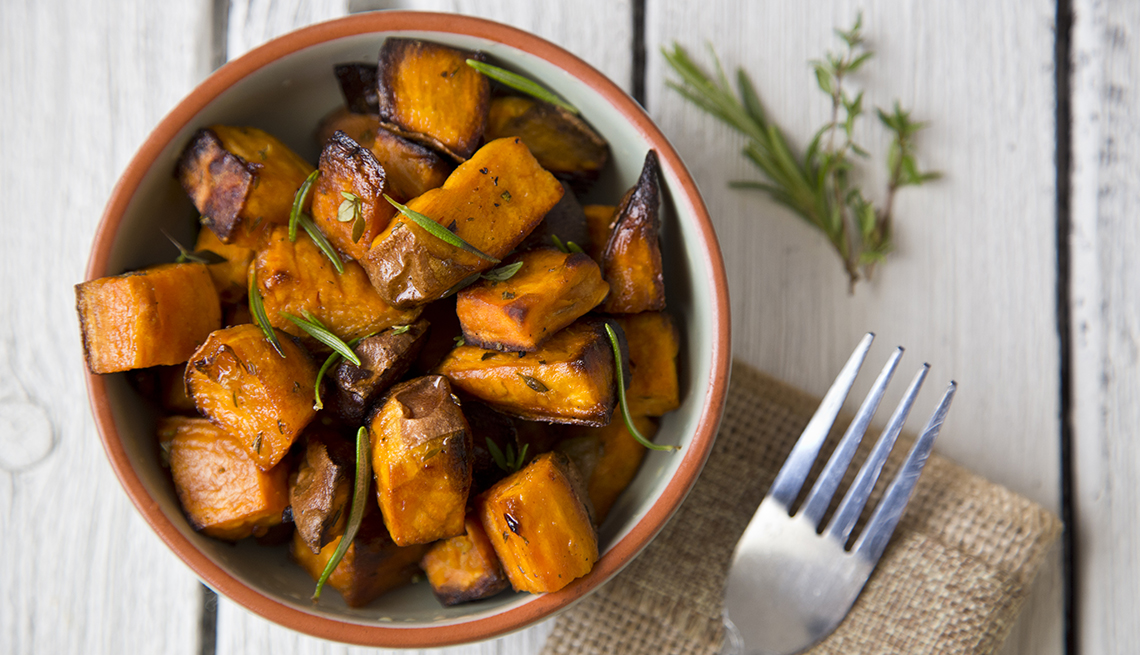
4. Make sure you’re eating enough protein
A few days of barely eating can cost a pound or two, and if that’s mostly muscle, “that’s not a good situation,” says Angel Planells, a registered dietitian nutritionist and spokesperson for the Academy of Nutrition and Dietetics.
So make sure you’re eating enough every day, before any bout of illness sets you back. Protein is one nutrient where many fall short: About 1 in 3 adults over 50 don’t get enough, a figure Planells says tracks with what he sees in practice.
The AARP book The Whole Body Reset recommends that women over age 50 eat at least 25 grams of protein per meal, and men over 50 eat at least 30 grams per meal.
5. Have a plan before you get sick
Antiviral medicines can keep flu and COVID from turning severe, and doctors are quicker to prescribe them to those in higher-risk groups. The drugs work best when started early: within about two days of symptoms for flu and five to seven days for COVID, depending on the antiviral. So talk with your doctor now about what they want you to do if you get sick, Davis says.

AARP Membership
Join AARP for only $15 per year with automatic renewal. Get instant access to members-only products and hundreds of benefits, a free second membership, and a subscription to AARP The Magazine.
More From AARP
What to Expect From This Year’s Flu Season
Southern hemisphere trends offer clues for the months ahead
8 Key Questions About Fall Vaccines
Experts explain timing, eligibility and what older adults should know
New COVID Vaccines Get FDA Approval for Fall
Updated shots target the variant driving current infections and help reduce severe illness