
AARP Hearing Center












































))



)

8 Vaccines You Need After 50 — and 1 to Consider
The flu shot, the shingles vaccine and other jabs you need at 50-plus


Getty Images
It’s not just babies and youngsters who need a poke to protect against serious and potentially lethal diseases. Adults need shots too, especially as our immune systems weaken with age.
In fact, several vaccines are needed after age 50, including some that are relatively new, such as the RSV vaccine, says Dr. Morgan Katz, an associate professor of medicine at Johns Hopkins University School of Medicine.
More Ways to Benefit
- Related Benefit 1
- Related Benefit 2
- Related Benefit 3
- Related Benefit 4
- Related Benefit 5
Below are the vaccinations every adult needs, followed by two, for hepatitis A and B, that you need only if you have certain risk factors.
What won’t you see on the list? The chicken pox vaccine, since most adults already have immunity from childhood exposure to the disease, Katz says.
“Almost all adults over 40 have been exposed to chicken pox,” she says, noting that it would be “an extremely rare case” for an adult not to have been. That said, if you think you could be in that tiny minority, ask your doctor about getting the chicken pox vaccine as an adult.
For the rest of the list, you can get your necessary shots at doctors’ offices, pharmacies, workplaces, community health clinics and other locations. And most health insurance plans will pick up the tab, so stop in and let ’em stick it to you.
1. Influenza vaccine
Who needs it: All adults, no matter the age
How often: Once a year, usually in the fall. “The virus itself changes every year,” Katz says. “Researchers try to predict what will be the most common strain that season, then reformulate the vaccine accordingly.” Flu season typically begins in October and ends in March, so the Centers for Disease Control and Prevention (CDC) recommends rolling up your sleeve by the end of October, since it takes about two weeks after a vaccination for flu-fighting antibodies to develop in the body.
What you need: Adults 65 and older should make sure they receive a high-dose version of the shot. The options include:
- Fluzone High-Dose seasonal vaccine, an injectable vaccine that contains four times the antigen (the flu proteins that our immune system recognizes and attacks) of a standard-dose flu vaccine, which helps create a stronger immune response
- Fluad adjuvanted flu vaccine, made with an adjuvant, an additive that creates a more robust immune response
- Flublok flu vaccine. It’s a recombinant vaccine, which means it does not require an egg-grown virus and does not use chicken eggs in the manufacturing process. This may be a good option if you are allergic to eggs (the Fluzone and Fluad offerings are grown in eggs). It contains three times the antigen of a standard-dose flu vaccine.
The Food and Drug Administration recently approved a new, mRNA flu vaccine, which is available to adults 50 and older. In clinical trials, the vaccine was about 27 percent more effective than a standard flu shot. Researchers are still studying how the mRNA vaccine stacks up against a high-dose flu shot. So if you’re 65 or older, talk to your doctor about the best option for you.
Why you need it: Each year the flu is to blame for hundreds of thousands of hospitalizations and tens of thousands of deaths, and older adults are at higher risk for these serious outcomes. Fifty to 70 percent of flu-related hospitalizations occur among people 65 and older, according to the CDC, and 70 to 85 percent of flu-related deaths occur among this age group.
Talk to your doctor if: You’ve had a severe reaction to the flu shot in the past, are allergic to eggs, have (or have had) Guillain-Barré syndrome or have a fever. (In the case of a fever, you’ll likely be asked to wait until your temp is back to normal before you get the vaccine.)
Parting shot: Even if you’re vaccinated, there’s a possibility you could get the flu. How well the inoculation protects you depends on different factors, including your age and health status. That said, a flu vaccination may lessen the severity of illness if you do get sick. Research, including a 2024 study, finds that flu vaccination reduces flu-related hospitalizations and deaths, including among older adults.
2. COVID-19 vaccine
Who needs it: It’s currently recommended for most adults 18 and older (parents can consult their pediatrician about vaccines for children ages 6 months to 17 years ) and especially for people 65 and older, who are at increased risk for complications from a coronavirus infection.
How often: Health officials haven’t set a schedule for COVID-19 vaccines, but it’s likely the shot will become an annual one — for some people, at least — much like the flu vaccine. Adults 65 and older, however, may need the vaccine more frequently. In previous years, fall and spring shots were recommended for older adults.
What you need: An updated COVID-19 vaccine from either Moderna, Pfizer-BioNTech or Novavax.
Why you need it: COVID-19 has killed more than 1.2 million Americans since it started circulating in the U.S. and has hospitalized millions of others. It’s especially risky for older adults, who are more likely to suffer complications from an infection.
Talk to your doctor if: You’ve had a severe allergic reaction to a medication or vaccine in the past.
Parting shot: Make it easy on yourself and get your fall COVID-19 vaccine when you go in for your flu shot. Experts say there’s no need to schedule a separate appointment.
3. RSV vaccine
Who needs it: The CDC says adults age 75 and older should get the vaccine to protect against respiratory syncytial virus (RSV), as should people ages 50 to 74 who live in nursing homes or who have certain medical conditions, like heart and lung disease, that put them at increased risk for severe illness. .
How often: For now, you need to get it only once. However, the RSV vaccine is still pretty new, so recommendations could change. And while you can get the vaccine at any time, the CDC says the best time to get the shot is late summer or early fall.
What you need: Three vaccines have been approved for older adults: Arexvy, from manufacturer GlaxoSmithKline; Abrysvo, from drugmaker Pfizer; and mRESVIA, from Moderna.
Why you need it: RSV is often associated with children, but it can be especially dangerous for older adults, too. Each year it causes 60,000 to 160,000 hospitalizations and 6,000 to 10,000 deaths among adults 65 and older, according to the CDC. In clinical trials, the vaccines were found to significantly reduce the risk of serious symptoms from an infection.
Talk to your doctor if: You’re in the 50–74 age range and are unsure whether your underlying health issues put you at greater risk for complications from an RSV infection.
Parting shot: The vaccine could be especially helpful when it comes to avoiding a fall/winter “tripledemic” — a name used to describe the convergence of flu, COVID-19 and RSV.
4. Pneumococcal vaccine
Who needs it: Healthy adults 50 and older or adults 19–49 with certain risk factors (smoking or health problems such as chronic lung or heart disease, leukemia, lymphoma and alcoholism).
What you need and how often: Adults who haven’t received a pneumococcal vaccine should opt for either the PCV15, PCV20 or PCV21. If PCV15 is used, it should be followed by a dose of PPSV23 a year later. (If you’re immunocompromised, you may get it sooner.)
Why you need it: Before COVID-19 came along, pneumococcal disease, which can cause pneumonia, killed more people in the U.S. each year than all other vaccine-preventable diseases combined. Young children and those over 65 have the highest incidence of serious illness, and older adults are more likely to die from it. Experts estimate PCV13 (one of the pneumococcal vaccines available) prevented more than 30,000 cases of invasive pneumococcal disease and 3,000 deaths in its first three years of use.
Parting shot: If you work around chronically ill people — say, in a hospital or nursing home — talk to your doctor about getting the vaccine, even if you’re healthy.
5. Tdap vaccine
What you need: The Tdap (tetanus, diphtheria, pertussis) vaccine and/or the Td (tetanus, diphtheria) booster.
Who needs it: The Tdap vaccine came out in 2005, and along with protecting against tetanus and diphtheria, like the Td vaccine it replaced, it includes additional protection against whooping cough, also known as pertussis.
If you can’t remember ever getting this shot, you probably need it. Doing so, Katz says, can count for one of the Td boosters you’re supposed to get every 10 years. (You know the one.… It’s the shot you wonder if you’re current on after you step on a rusty nail during vacation.)
How often: Adults should receive a booster dose of either Tdap or Td (a different vaccine that protects against tetanus and diphtheria but not pertussis) every 10 years, the CDC says, or after five years if you get a severe wound or burn.
Why you need it: Due to a rise in whooping cough cases in the U.S., you really do need to be vaccinated against it. In the first year after vaccination, Tdap prevents illness in about 7 out of 10 people.
Talk to your doctor if: You have epilepsy or other nervous system problems, had severe swelling or pain after a previous dose of either vaccine, or have (or have had) Guillain-Barré syndrome.
Parting shot: This vaccine is especially crucial for people — including parents, grandparents and childcare providers — who have close contact with children younger than 12 months.

6. Shingles (herpes zoster) vaccine
Who needs it and what you need: The CDC recommends that everyone 50 and older get the Shingrix shingles vaccine, even if they had the earlier recommended vaccine, Zostavax — which was much less effective — and even if they’ve already had shingles.
How often: Shingrix comes in two doses, spaced two to six months apart.
Why you need it: One in 3 people will get shingles, usually after age 50. The risk rises with age. By 85, half of adults will have had at least one outbreak. Chicken pox and shingles are caused by the same virus, varicella zoster. After a person recovers from chicken pox, the virus stays dormant for decades in the body, ready to appear when the immune system is weakened by stress, medication or disease.
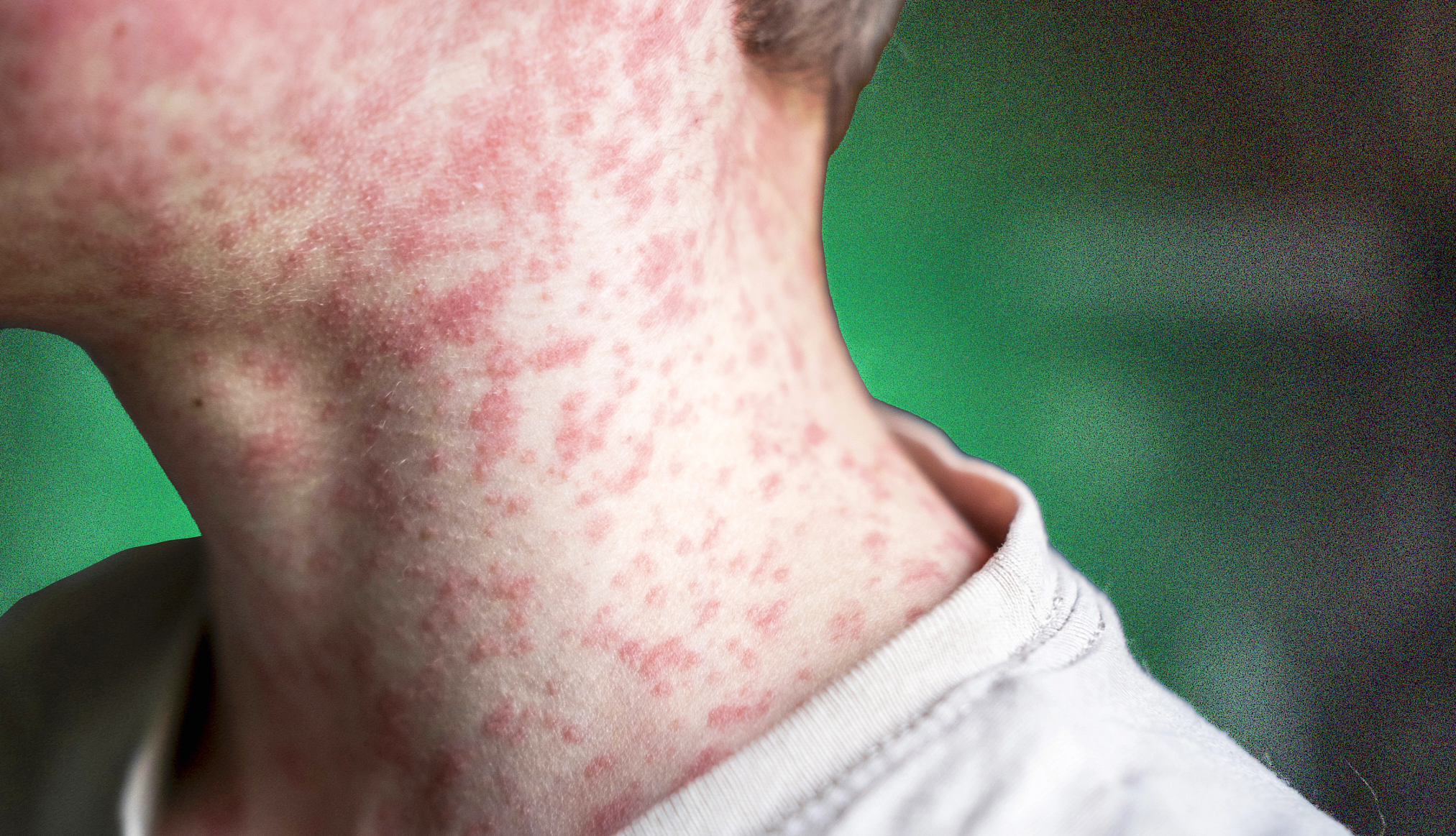
The shingles infection causes a red rash and painful blisters. About 15 percent of sufferers are left with extreme nerve pain — a condition called postherpetic neuralgia, which can last for months or years. Shingrix protects 97 percent of people in their 50s and 60s and 91 percent of those in their 70s and 80s.
Talk to your doctor if: You are not feeling well or currently have shingles. There are few other reasons not to get the vaccine.
Parting shot: Older adults should get this vaccine whether or not they remember having chicken pox as a child. Why? More than 99 percent of Americans over 40 have been exposed to the varicella zoster virus, even if they don’t recall getting chicken pox.
7. Hepatitis A vaccine
Who needs it: People 50 and older who are at high risk for hepatitis A, a disease of the liver. Infections result primarily from travel to another country where hepatitis A virus transmission is common, through close contact with a hepatitis A–infected individual or through recreational drug use.
How often: Once, but given in two doses over six months
Why you need it: Hepatitis A rates in the U.S. have declined by more than 95 percent since the hepatitis A vaccine first became available in 1995. In 2016 there were an estimated 4,000 hepatitis A cases in the U.S.
Parting shot: This is a sneaky disease. You may not have any telltale signs — and the likelihood of symptoms decreases as you age.
8. Hepatitis B vaccine
Who needs it: Many older adults should get the vaccine, including all people ages 19 to 59 and individuals 60 and older who are at risk for contracting hepatitis B, a liver infection. Hepatitis B is transmitted when a body fluid (blood, semen, saliva) from a person infected with the hepatitis B virus enters the body of someone who is not infected. This can happen through sexual contact, through contact with blood or open sores (say, from a job that exposes you to human body fluids) or by sharing anything from a needle to a glucose monitor to a razor or toothbrush with an infected person. Other risk factors for infection include being on kidney dialysis, traveling to countries where hepatitis B is common and having HIV.
What you need and how often: Several hepatitis vaccines are licensed in the U.S., and the vaccine is administered either in two or three doses, depending on the brand you choose. If you get the three-shot series, your doctor will give them over a six-month period. The two-dose series is given about one month apart, the CDC says.
Why you need it: Treatments are available, but no cure exists for hepatitis B, according to the CDC. So the best way to prevent it is by being vaccinated.
Talk to your doctor if: You have a life-threatening allergy to yeast or to any other component of the vaccine or you are moderately or severely ill when a dose of vaccine is scheduled.
Do you need a measles vaccine?
Measles outbreaks occurring throughout the U.S. are prompting many older adults to wonder whether they need a measles shot. The answer: You may.
Who doesn’t need one? The CDC says you don’t need a measles vaccine if you were born before 1957 or if you have had two doses of MMR vaccine.
Who may need one? People vaccinated before 1968 and those vaccinated between 1968 and 1989 may need an additional dose of MMR, health experts say, since they may have been given a less effective vaccine or may have only received one dose of MMR.
Talk to your doctor if you are unsure of your vaccination status. The CDC says there is no harm in getting another dose of the vaccine, even if you have prior immunity.
Editor’s note: This story, published March 15, 2021, has been updated to reflect new recommendations. Barbara Stepko contributed reporting to this story in 2021.

AARP Membership
Join AARP for only $15 per year with automatic renewal. Get instant access to members-only products and hundreds of benefits, a free second membership, and a subscription to AARP The Magazine.
More From AARP
Older Adults Still Feel Effects of COVID-19 Pandemic
Though much has changed since the early days of the COVID-19 pandemic, the toll is still felt — overwhelmingly by older Americans.How to Choose a Top-Notch Doctor as You Age
Evaluating doctors for quality care and convenienceUpdated COVID-19 Isolation and Safety Tips
CDC updates guidelines for people with a coronavirus infection