
AARP Hearing Center












































))





)

FDA Approves Updated COVID Vaccines: What to Know About the Shots
The green light comes as some areas see a late-summer spike in infections


Getty Images
Key takeaways
- The FDA approved four updated COVID-19 vaccines for the 2026-27 season as infections rise in parts of the U.S.
- The vaccines were approved for adults 65 and older and many younger adults with health conditions.
- The updated shots target the JN.1-lineage XFG variant and are expected to help prevent severe illness.
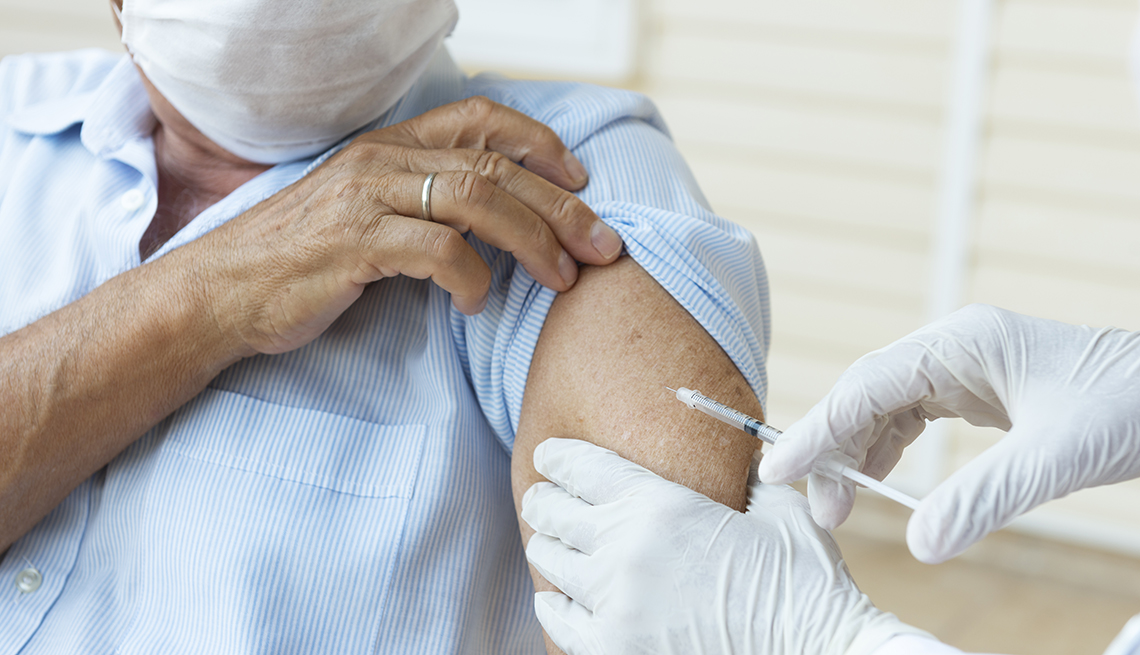
The U.S. Food and Drug Administration (FDA) has approved updated COVID-19 vaccines for the 2026-27 season, giving many Americans access to shots designed to better protect against the strains of the virus currently circulating. Health experts say the vaccines are especially important for older adults, who remain at higher risk for severe illness from the respiratory virus.
The four vaccine approvals come as COVID cases are climbing in several areas of the U.S., especially the South and West. Manufacturers have started shipping the vaccines, and they are already available in many clinics and pharmacies.
More Ways to Benefit
- Related Benefit 1
- Related Benefit 2
- Related Benefit 3
- Related Benefit 4
- Related Benefit 5
Here is what you need to know.
Who should get an updated COVID vaccine?
Like last year, approval for the updated COVID-19 vaccines was more limited than in previous years, applying only to adults 65 and older and younger people with a condition that puts them at higher risk of severe illness from COVID.
- Moderna’s Spikevax COVID-19 vaccine is approved for individuals 6 months through 64 years of age with at least one underlying condition that puts them at high risk for severe outcomes from COVID-19, and all adults 65 and older.
- Moderna’s mNEXSPIKE is approved for people ages 12 through 64 who have at least one underlying condition that puts them at high risk for severe COVID-19, and all adults 65 and older.
- Pfizer-BioNTech’s Comirnaty was approved for all adults age 65 and older, as well as in individuals ages 5 through 64 with at least one underlying condition that puts them at high risk for severe outcomes from COVID-19.
- Novavax-Sanofi’s Nuvaxovid was approved for individuals 65 and older, as well as people ages 12 to 64 who have at least one underlying health condition putting them at high risk for severe COVID-19 outcomes.
If that’s a lot to keep track of, know this: Leading medical organizations, such as the American Academy of Family Physicians and the American Medical Association, continue to recommend that all adults get the updated shot. (The American Academy of Pediatrics also recommends the vaccine for babies ages 6 to 23 months and older children whose parents want them protected.)
And it’s important to know that the list of underlying conditions that the Centers for Disease Control and Prevention (CDC) says can put you at high risk for a severe case of COVID is wide-ranging. Age remains the strongest risk factor for severe COVID-19 outcomes, the CDC says, but many conditions — including asthma, diabetes, depression, obesity and physical inactivity — can also increase your risk of getting very sick and make you eligible for the vaccine.
“In addition, anyone who wishes to receive the COVID vaccine should be able to do that,” even if you don’t formally qualify, says Dr. William Schaffner, an infectious disease expert and professor of medicine at Vanderbilt University School of Medicine in Nashville. That’s because doctors can prescribe vaccines off-label.
Will insurance cover the COVID vaccine?
Medicare Part B covers the full cost of the COVID-19 vaccine, and most private insurance plans cover the cost of vaccines recommended by the Advisory Committee on Immunization Practices (ACIP), a panel that advises the CDC. However, ACIP is currently suspended, and all recommendations have been paused.
AHIP, a trade organization that represents several major insurers, says its members would continue to pay for COVID vaccines if there is no official recommendation.
“There is confusion [about coverage]; there is uncertainty,” Schaffner says. “And we always say: If you have any doubt, please check with your insurer.”
Be aware that your insurance plan might only cover the vaccine if it’s given at an in-network pharmacy or clinic, so make sure to go to one of those locations to avoid any unexpected costs.
What variants do the shots target?
Following recommendations from the FDA’s Vaccines and Related Biological Products Advisory Committee, manufacturers reformulated the vaccines to target the JN.1-lineage XFG virus variant, which is the strain that’s behind the current wave of infections.
It’s expected to provide good protection, Schaffner says, but that doesn’t mean you’re guaranteed a COVID-free year.
“The COVID vaccine and the flu vaccine do their best job in keeping us out of the hospital,” Schaffner says. “They prevent severe disease. They’re not as capable of preventing milder diseases.”
What are the side effects?

Some people may experience side effects from the vaccines, the most common of which are mild and temporary, such as fatigue or soreness in the area where the shot was given.
“Some people do get a degree of fever and feel out of sorts for a day, maybe get some headache — but those are a minority of individuals,” Schaffner says.
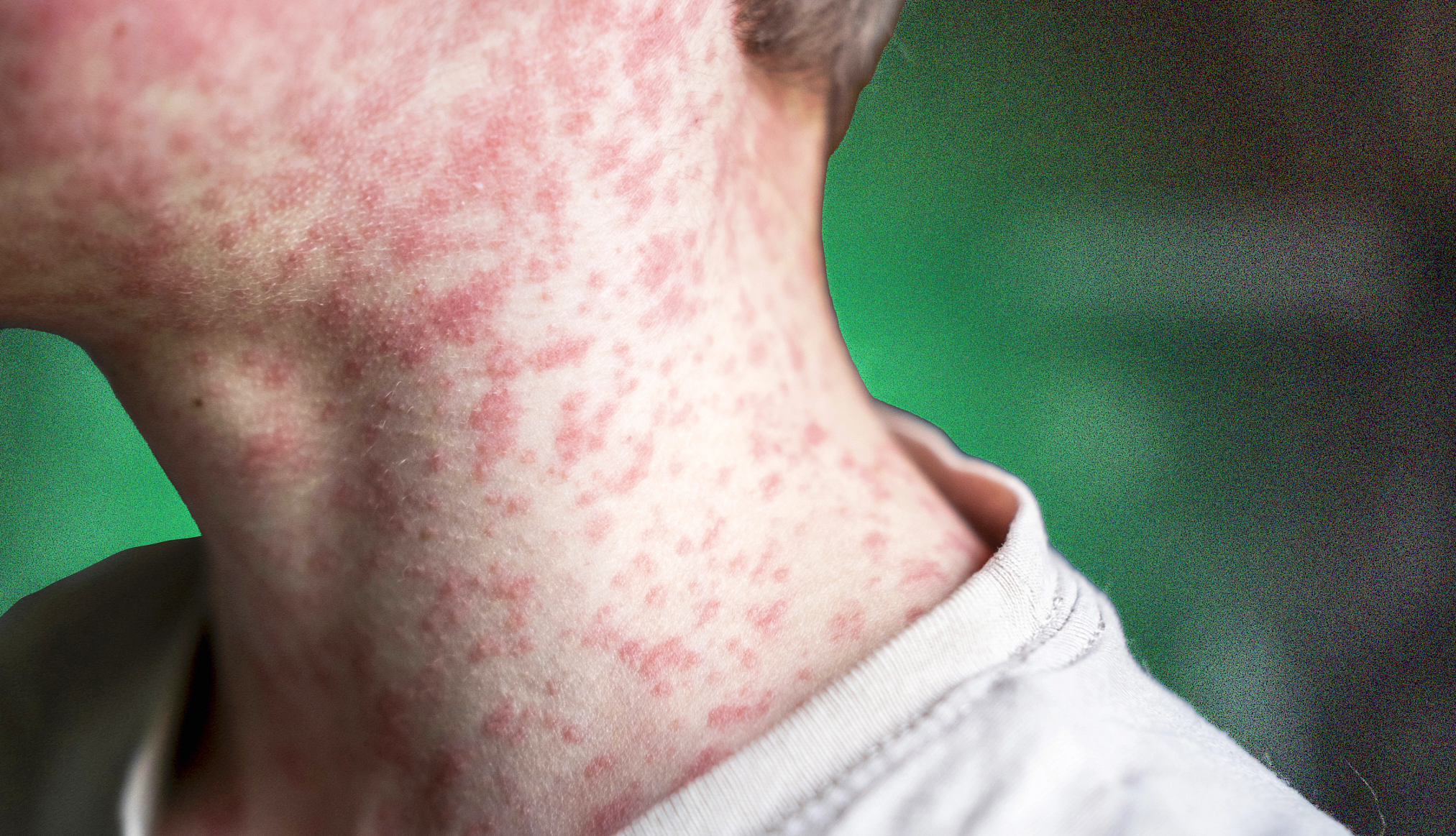
Severe allergic reactions following vaccination are rare, but warning signs can include a dip in blood pressure, a rapid heartbeat or a rash or swelling in the lips, tongue or throat.
When is the best time to get the vaccine?
It depends. If you’re someone who is at higher risk and cases are spiking in your community, you may want it sooner than later. If you’re more concerned about protection throughout the winter, you can wait and get it when you get your flu shot, which is recommended in late September or October. And if you’re questioning whether you need it this year, talk to your doctor.
“There’s a lot of vaccine hesitancy, skepticism and just confusion,” Schaffner says. “Speak to your health care provider about this, please.”
The key takeaways were created with the assistance of generative AI. An AARP editor reviewed and refined the content for accuracy and clarity.

AARP Membership
Join AARP for only $15 per year with automatic renewal. Get instant access to members-only products and hundreds of benefits, a free second membership, and a subscription to AARP The Magazine.
More From AARP
Updated COVID-19 Isolation and Safety Tips
CDC updates guidelines for people with a coronavirus infection
Vaccines Recommended for Adults After 50
Flu, shingles and more: Find out which vaccines belong on your health checklist
Smart Guide to Vaccines for Adults Over 50
A comprehensive guide to vaccines and their benefits