
AARP Hearing Center










































))


)

Shingles Vaccine May Reduce Risk for Dementia and Slow Decline
The virus that causes chicken-pox lies dormant in the nervous system and causes inflammation


AARP (Getty Images)
Key takeaways
- New research adds to growing evidence that the shingles vaccination may lower dementia risk.
- Research from multiple countries found that vaccinated older adults were about 20 percent less likely to develop dementia, with stronger benefits seen among women. Benefits were also seen in nursing facility residents.
- Early evidence suggests the shingles vaccine may not only help prevent dementia but could also benefit people already living with the condition.
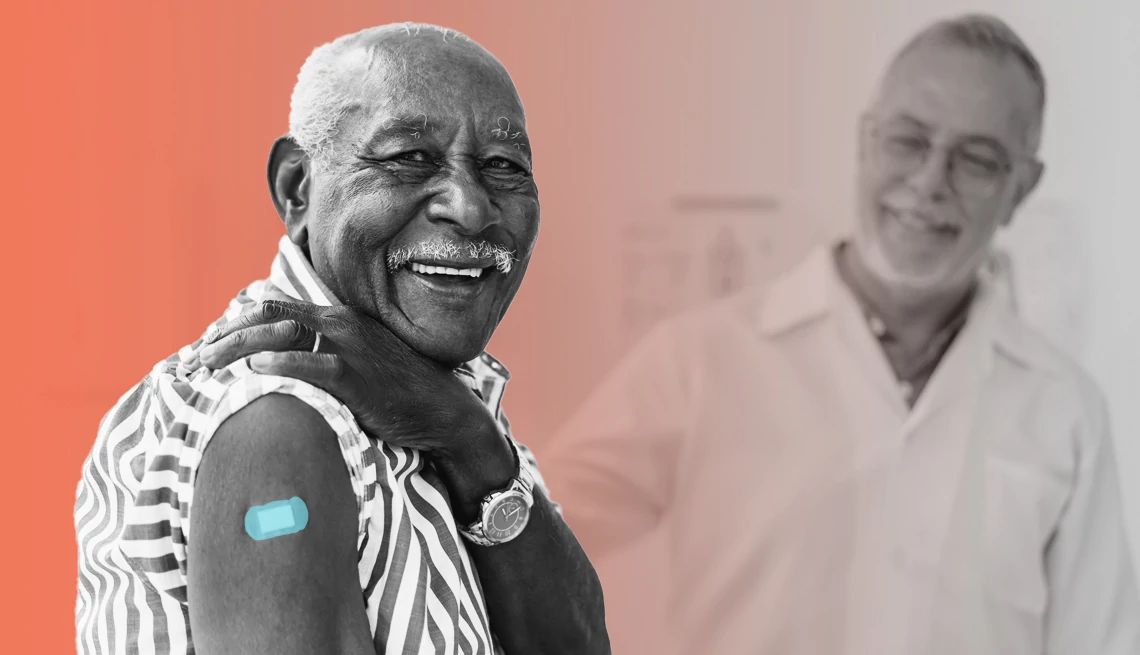
Here’s a new reason to get the shingles vaccine once you reach age 50: It may prevent or delay dementia, and even slow the loss of thinking skills and memory in people already diagnosed with cognitive decline, according to research from Stanford University, plus a new study from Brown University.
Shingles and chicken-pox are caused by the same virus, herpes zoster. After a chicken pox infection, the virus hides in some nerve cells and is ready to reactivate if the immune system weakens, which can happen with age. About half of all shingles cases are in adults 60 and older, according to the National Institute on Aging.
More Ways to Benefit
- Related Benefit 1
- Related Benefit 2
- Related Benefit 3
- Related Benefit 4
- Related Benefit 5
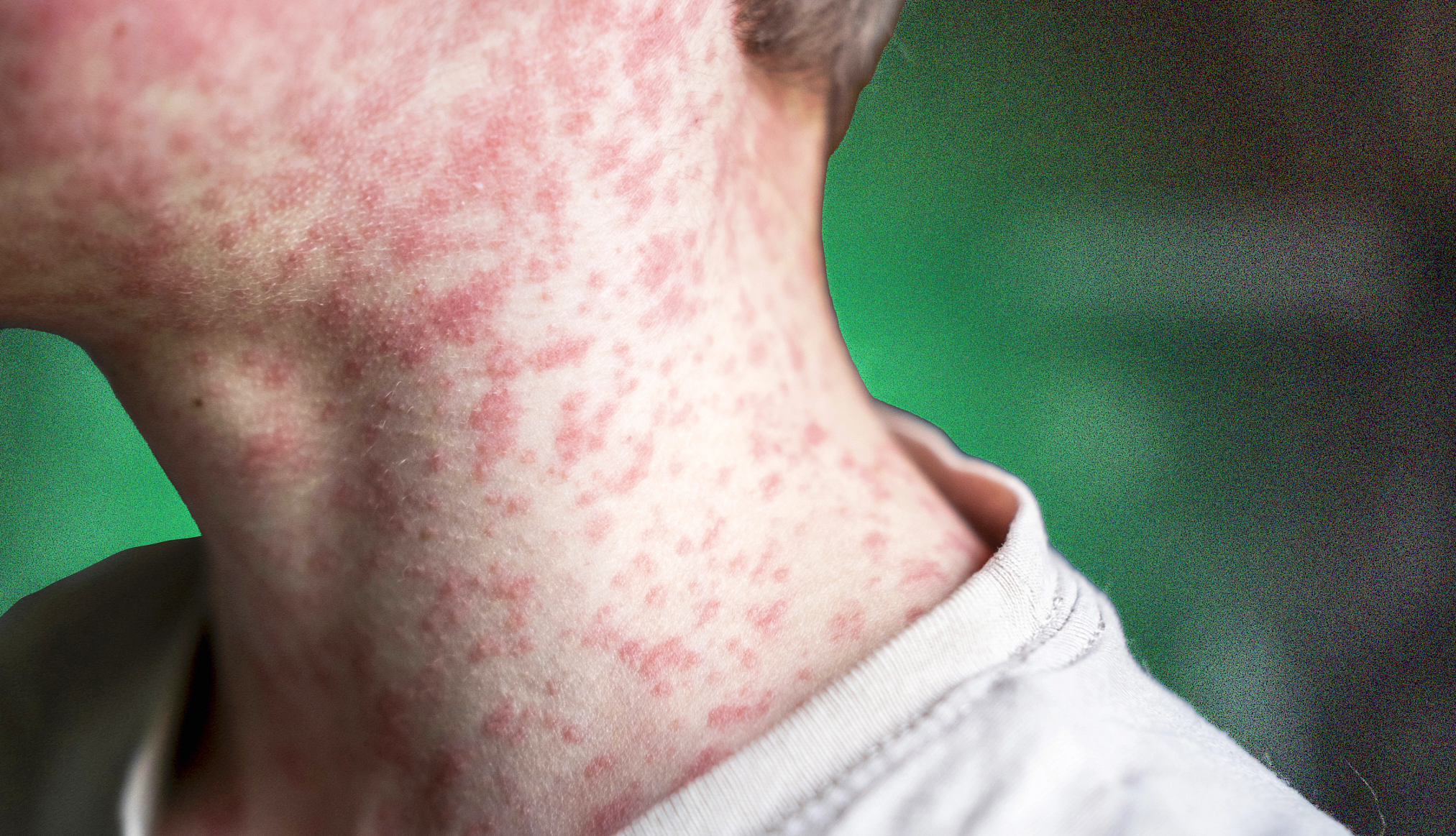
Symptoms of shingles include a burning, painful rash that can last two to four weeks, as well as nerve pain, skin blistering, chills, fever, headache and an upset stomach. In 2024, roughly 44 percent of adults 50 and older reported receiving at least one dose of the shingles vaccine; just over half (51 percent) of adults 60 and older had received it, slightly higher than 2023 estimates, according to the U.S. Centers for Disease Control and Prevention.
The new study, published in June in Annals of Internal Medicine, was specific to people 66 and older who had spent time in a U.S. skilled nursing facility for short- or long-term care. Among the more than 509,000 participants, those who’d received at least one dose of the shingles vaccine, specifically Shingrix, which is the only shingles vaccine now available in the U.S., had a 24 percent lower risk of a dementia diagnosis for up to four years.

AARP Brain Health Resource Center
Find explainers on dementia, stroke, Parkinson’s disease, head injuries and mental-health topics. Learn about healthy habits that support memory and mental skills.
“It fits into this large puzzle that’s just starting to come together that the vaccines … appear to have neuroprotective benefits,” says study author Kayley Hayes, an associate professor at the Brown University School of Public Health, in a news reelase.
Because this wasn’t a clinical trial, it can’t say whether people who got the shot were more motivated or had higher health literacy, says Dr. Pascal Geldsetzer, an assistant professor of medicine at Stanford Medicine and senior author of the Stanford research. But, he adds, “the Brown study is consistent with everything else we are seeing.”
May prevent dementia and slow disease in those who are diagnosed
Two earlier 2025 reports by Geldsetzer and colleagues showed that among large populations of older adults in Wales and Australia, those who received the shingles vaccine were not only protected against the viral illness but were also 20 percent less likely to develop dementia than unvaccinated people in the subsequent seven years. A follow-up study by the same team, reported in Cell in 2025, suggests the vaccine may be therapeutic.
“The crucial insight from our new study is that it doesn’t just seem to have an effect on delaying or preventing dementia, but it also appears to benefit those who already have dementia when they become eligible” for vaccination, says Geldsetzer.
Nearly half of those in Wales who had dementia at the start of the vaccine program had died from dementia during the nine-year follow-up. Among those who got the vaccine, only about 30 percent had died from dementia.
Across several countries, “we keep seeing this effect in dataset after dataset,” Geldsetzer says. The protective effect was larger among women.
The idea makes sense, says Dr. Howard Fillit, a geriatrician and cofounder and chief science officer emeritus of the Alzheimer’s Drug Discovery Foundation. “It’s important to try to figure out the mechanism of action.”
With a vaccine, you boost the immune system to kill any cells that express the virus, which may reduce the amount of virus in the brain. That could explain the beneficial effect, he says. Or the vaccine may boost the immune system in general.
“It’s highly biologically plausible that reducing reactivation of the virus may well have benefits for dementia,” Geldsetzer says.
A natural experiment in several countries
The Stanford research was made possible by national programs in some countries that made a live-attenuated vaccine available to a large group of residents born before a certain date, but not to those born after. So the researchers compared people on either side of the cutoff whose birthdays were within a year of each other.

The two groups were similar in all the major characteristics that might affect dementia risk, including education level, use of preventive health services and the same likelihood of common health conditions like diabetes, heart disease and cancer.
Geldsetzer’s group has found the same results in health records from Australia, Canada, England and New Zealand.
Previous epidemiological studies were less clear because people who get vaccinated often have different health behaviors than people who don’t get vaccinated, making it hard to say the vaccine was the only factor involved in the findings.
“They did a very, very good epidemiologic study on a unique population in several countries,” Fillit says. “It’s well done, but we still need to see a clinical trial.”
Geldsetzer agrees and is working to raise funds from philanthropies for a randomized controlled clinical trial to conclusively test the link between the shingles vaccine and dementia. There are many countries where shingles vaccine use is low, and several, including Japan and South Korea, where the older, live-attenuated version of the vaccine is still available. In the U.S., that vaccine was discontinued in 2020 for the more effective Shingrix vaccine.
“We know it’s a recommended vaccine. We know it prevents shingles, and now we have a compelling body of evidence that it may well have benefits for both dementia prevention and even treatment for dementia,” Geldsetzer says.

AARP Membership
Join AARP for only $15 per year with automatic renewal. Get instant access to members-only products and hundreds of benefits, a free second membership, and a subscription to AARP The Magazine.
More From AARP
Brain Health Resource Center
Find explainers on diseases of the brain plus healthy habits to support memory and mental skills
Can Getting Vaccinated Lower Dementia Risk?
There’s growing evidence that getting your shots can lower dementia risk
Essential Vaccines for People 50-Plus
Vaccines adults need for protection against serious diseases