



AARP Hearing Center































































Getty Images
Key takeaways
- Many wrong-number texts are designed to spark friendly replies that open the door to a scam.
- Scammers often build relationships over weeks before introducing a fake crypto investment opportunity.
- Replying once can flag your number as active and lead to even more scam texts.
If you own a mobile phone, you’ve likely received a mysterious text from someone who acts as if they know you. But even though you quickly figure out that the person isn’t a real acquaintance, out of politeness — or curiosity — you might end up interacting with them anyway.
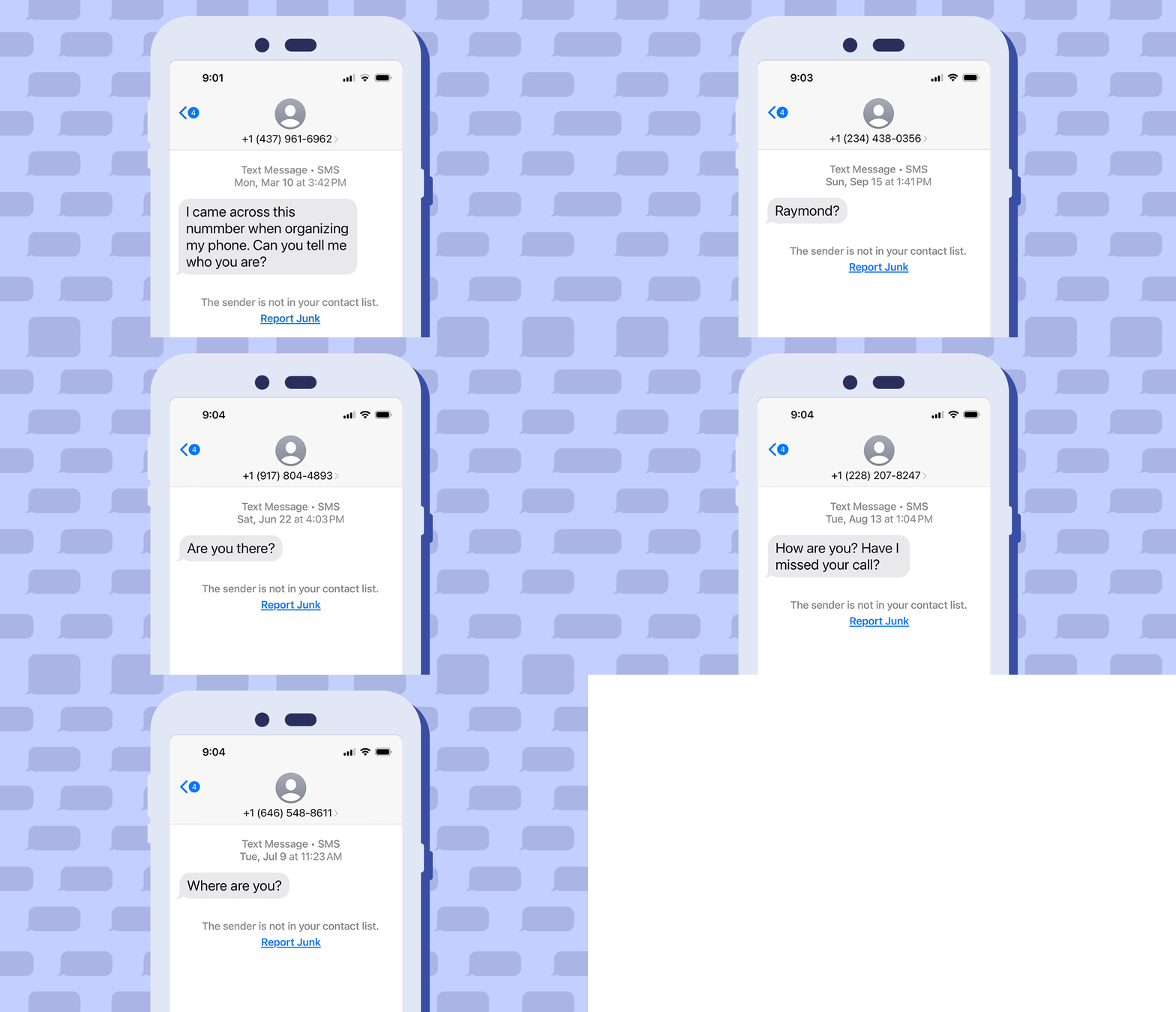
“You’ll get a text message that says, ‘Hey, you coming for dinner tonight?’” says Amy Nofziger, senior director of victim support for the AARP Fraud Watch Network. “And you’re like, ‘Oh, I’m sorry, I think you have the wrong number.’ And they’re like, ‘Oh, OK, I’m so sorry to bother you. But I hope you’re having a great day.’ And then you start an innocent conversation.”
That’s what perpetrators of fake wrong-number text message scams are counting on. Once they’ve made a connection with an unwary target, they’ll work to become friends with that person, or sometimes even cultivate a remote romantic relationship, embellished with fake photos. It’s all designed to get you to relax your defenses, so you’re susceptible to a scam, such as a cryptocurrency investment scheme.
Americans are already inundated with unwanted text messages, many of them sent by the automated apps known as bots. Security software company Robokiller reported that 19.2 billion spam texts were sent in April 2025 — an average of nearly 63 for each person in the U.S. While it’s unclear how many of those are wrong-number texts, consumer advocates warn that criminals — many of them based overseas — are frequently phishing for victims in this way.
How fake wrong-number text scams work
“Scammers are aware that the quickest means of communicating with a victim is by text message, so their efforts naturally follow the societal shift to SMS messaging,” says Josh Planos, a Better Business Bureau spokesperson.
Nofziger once received a text from someone who seemed to be trying to reach a veterinarian to make an urgent appointment for a sick dog. When she responded out of concern, she says, the scammer quickly shifted to a discussion about crypto. She’s also received an “Oops, wrong number!” text from a likely scammer pretending to be a woman attempting to contact her yoga instructor.
They may say, “How are you? Have I missed your call?” or even just, “Hello.” Some have telltale misspellings or grammatical mistakes.


More on Trending Scams
How You Can Protect Yourself From Crypto Scams
Protect yourself from criminals offering phony investments or the illusion of romance