



AARP Hearing Center


































































AARP (Getty Images, 2)
Key Takeaways
- Visceral fat is a type of belly fat that surrounds organs. Too much of it is linked to heart disease, diabetes, cancer, stroke and dementia.
- Age-related muscle loss and lower calorie needs can drive weight gain, making waist size a key health signal after 50.
- A combined plan of diet, regular physical activity and lifestyle habits like sleep and stress control is the most effective way to reduce abdominal fat.
Celebrity trainer and best-selling author Jorge Cruise isn’t shy when it comes to talking belly fat — and how he, 40 pounds overweight years ago, carried a lot of it.
“Belly fat robs us of confidence at any age,” says Cruise, who is now 55. “But more than that, our waistline is our lifeline, particularly as we get older. You can have hip fat, butt fat and arm fat and still be relatively healthy. But if you have belly fat, it will crush your health.”
What is belly fat?
Belly fat is the fat that accumulates around your midsection. It includes subcutaneous fat, which is just under your skin. Belly fat also includes visceral fat, which wraps around your internal organs to help cushion and protect them. But having too much belly fat can be harmful to your health.
Too much belly fat can lead to health problems, including cardiovascular disease, type 2 diabetes, cancer, stroke and dementia.
In fact, a small 32-person study in 2024 found that belly fat in middle-aged adults with abdominal obesity was linked to Alzheimer’s disease–related brain changes such as beta-amyloid buildup. Excess belly fat was more strongly linked to heart failure risk compared with body mass index (BMI), according to research presented at the American Heart Association’s EPI|Lifestyle Scientific Sessions in March.
Why is belly fat worse as you age?
As you get older, you naturally lose muscle. And if you’re sedentary or don’t exercise, it’s even harder to stay at a healthy weight.
You also need fewer calories a day in your 50s than you did in your 30s. But if you don’t cut back on your caloric intake, you’ll gain weight.
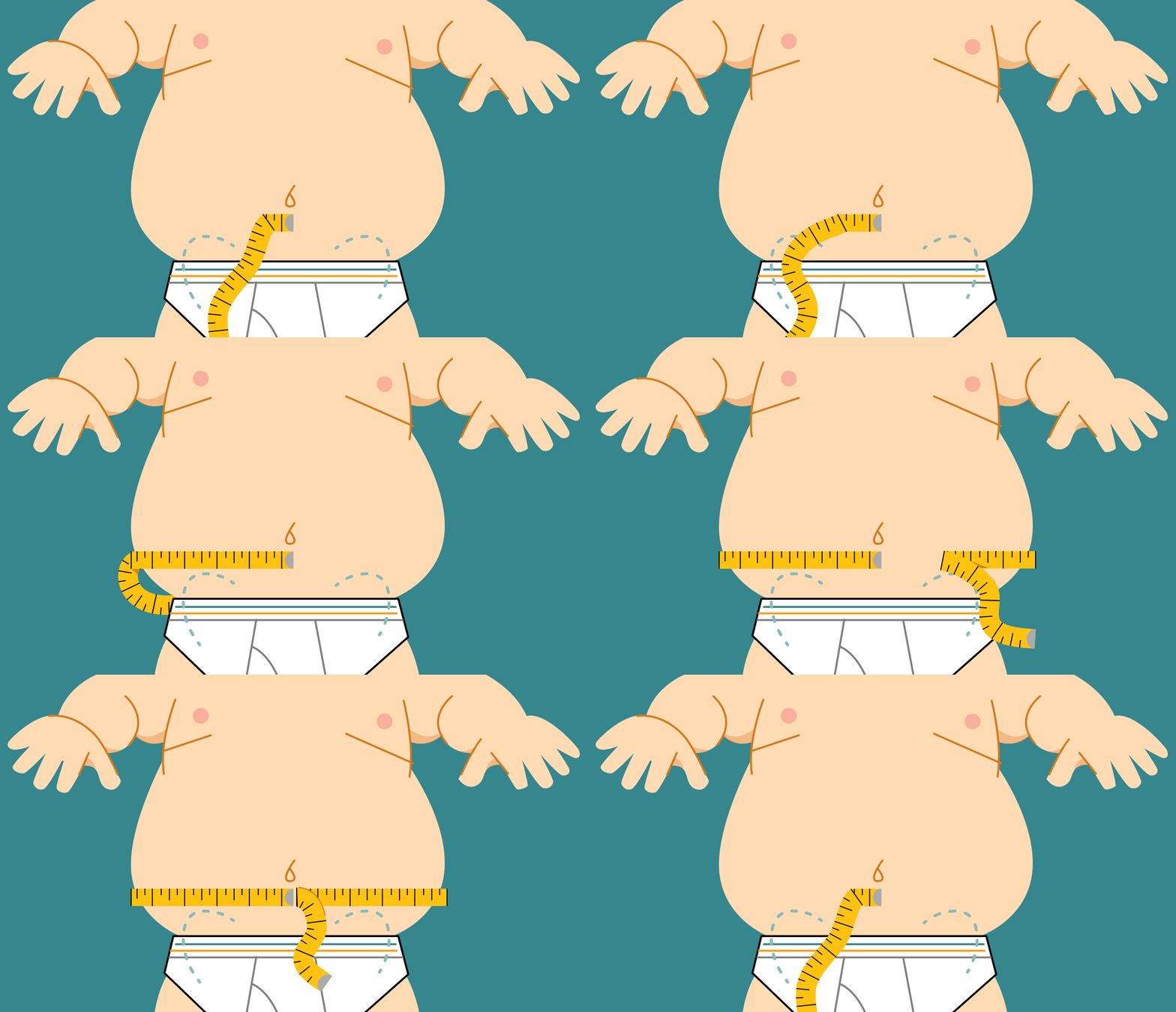
To properly measure your belly fat, wrap a tape measure around your stomach above your hip bone and then pull it snugly.
Martin Gee
If this sounds like you, wrap a tape measure around your stomach above your hip bone and pull it snug. A measurement of 35 inches or more for women or 40 inches or more for men could be a sign of unhealthy belly fat. Asian adults have lower cutoffs, at approximately 35.5 inches for men and 31.5 inches for women.


More From AARP
The Belly Fat Secret You Need to Know
If you are overweight, it's better to be fit
What Type of Sugar Is Healthiest?
Each sugar and sweetener has its own use and effects on the body
25 Processed Foods That Are Surprisingly Healthy
Surprising health benefits of processed foods