



AARP Hearing Center

































































James Yates
Which lifestyle changes matter most for staying healthy and independent as I age?
I hear from so many readers and patients who say, “Dr. Adam, I don’t just want to live longer — I want to live better.” And that’s really the goal. When we talk about healthy aging today, we’re not only counting years, we’re talking about health span. That’s the number of years we live in good health, free of major disabilities, chronic disease and cognitive decline. Fortunately, we have decades of clinical experience and plenty of recent research pointing toward what actually helps older adults stay strong, independent and engaged.
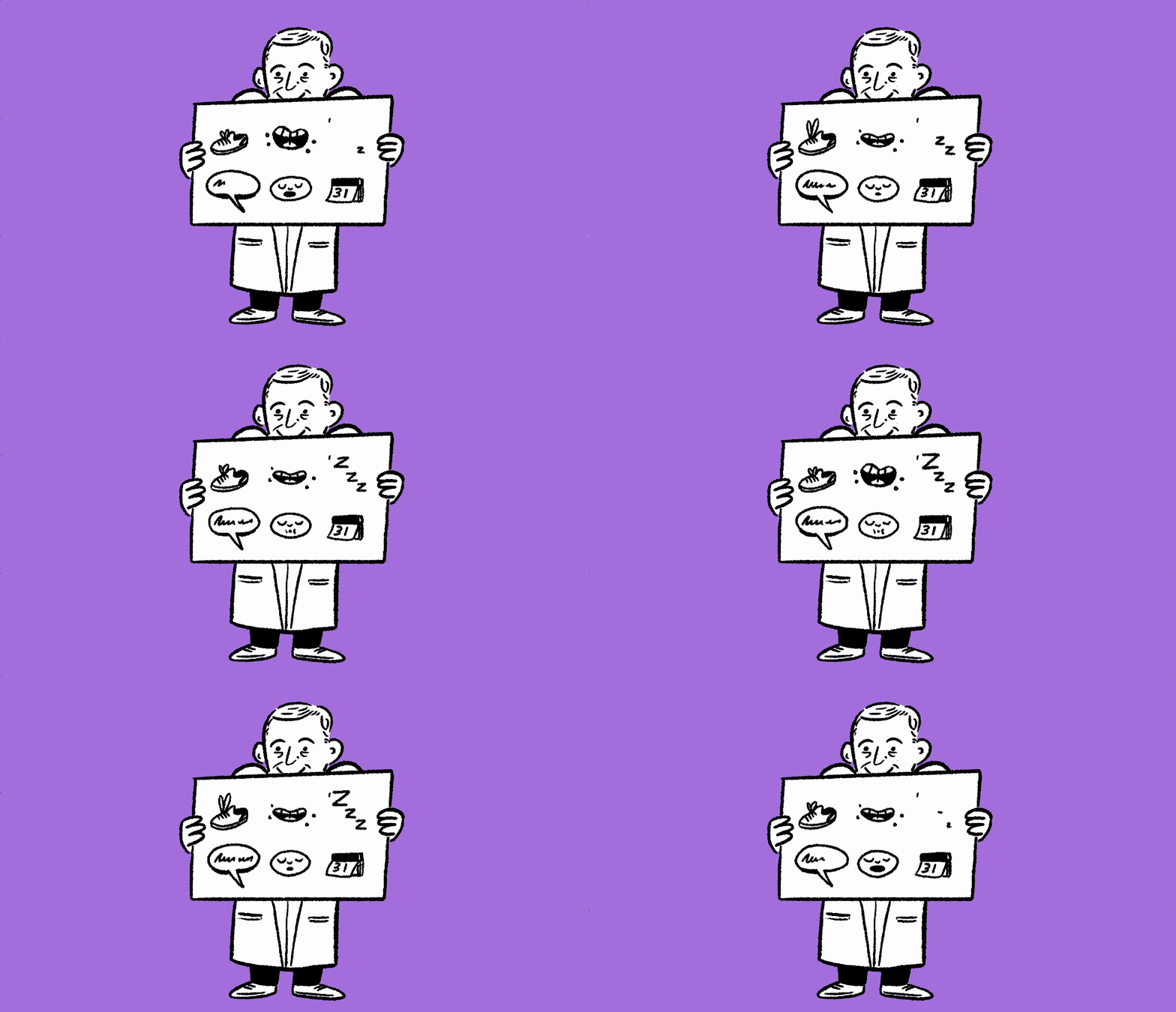
So, let’s get into the six habits that I consider essential.
If I could give only one piece of advice, it would be to move your body, and if possible, do it daily. Simply put, movement is medicine. It keeps your muscles strong, supports balance, improves mood and protects your heart and brain.

Ask Dr. Adam
Adam B. Rosenbluth, M.D., is an internist and cardiologist in New York City. Each Monday, he’ll weigh in on your questions about how to make your body work better for you. His AARP book will be published in 2027. Join in on the conversation on social media @dradamrosenbluth to learn to move the needle on your personal health in an achievable way.
A 2025 review found that regular physical activity reduces the risk for more than 30 chronic conditions including heart disease, diabetes, osteoporosis, cancer and dementia. You don’t need a gym membership or expensive equipment. Just make it a habit to move consistently and in ways that you enjoy, whether it’s walking, swimming, playing pickleball, dancing or taking the stairs instead of the elevator.
When it comes to enjoyment, for most of us, a good meal hits the spot. But keep in mind that food truly is fuel, and the right nutrients help keep chronic illness at bay, especially as we age. Diets rich in vegetables, fruits, whole grains, legumes, nuts and seeds; healthy fats like olive, canola, avocado, sunflower and peanut oils; and lean proteins support longevity significantly. Mediterranean-style eating in particular is associated with lower inflammation, a healthier metabolism and a longer life span. I suggest making half your plate vegetables, choosing whole over refined grains, adding lean protein to each meal and reducing ultra-processed foods. I want to add that limiting alcohol to one glass or less and quitting smoking will also boost your health.


You Might Also Like
25 Surprising Ways to Live Longer
Science-backed ways to extend life expectancy
10 Worst Habits for Your Heart
Avoiding these unhealthy foods and behaviors may reduce your chances of heart problems
10 Exercises to Help You Live Longer
These types of activities might help you see more birthdays