
AARP Hearing Center























.jpg?anchor=17,8&q=80&color=ffffffff&u=8wsalu&w=375 "Fall Movie Preview 2026")
















What’s the Best Way to Manage My Medications?
Managing multiple prescriptions can be tricky — but with the right tools and habits, it doesn’t have to be overwhelming

James Yates
I take multiple medications. What’s the best way to manage them all?
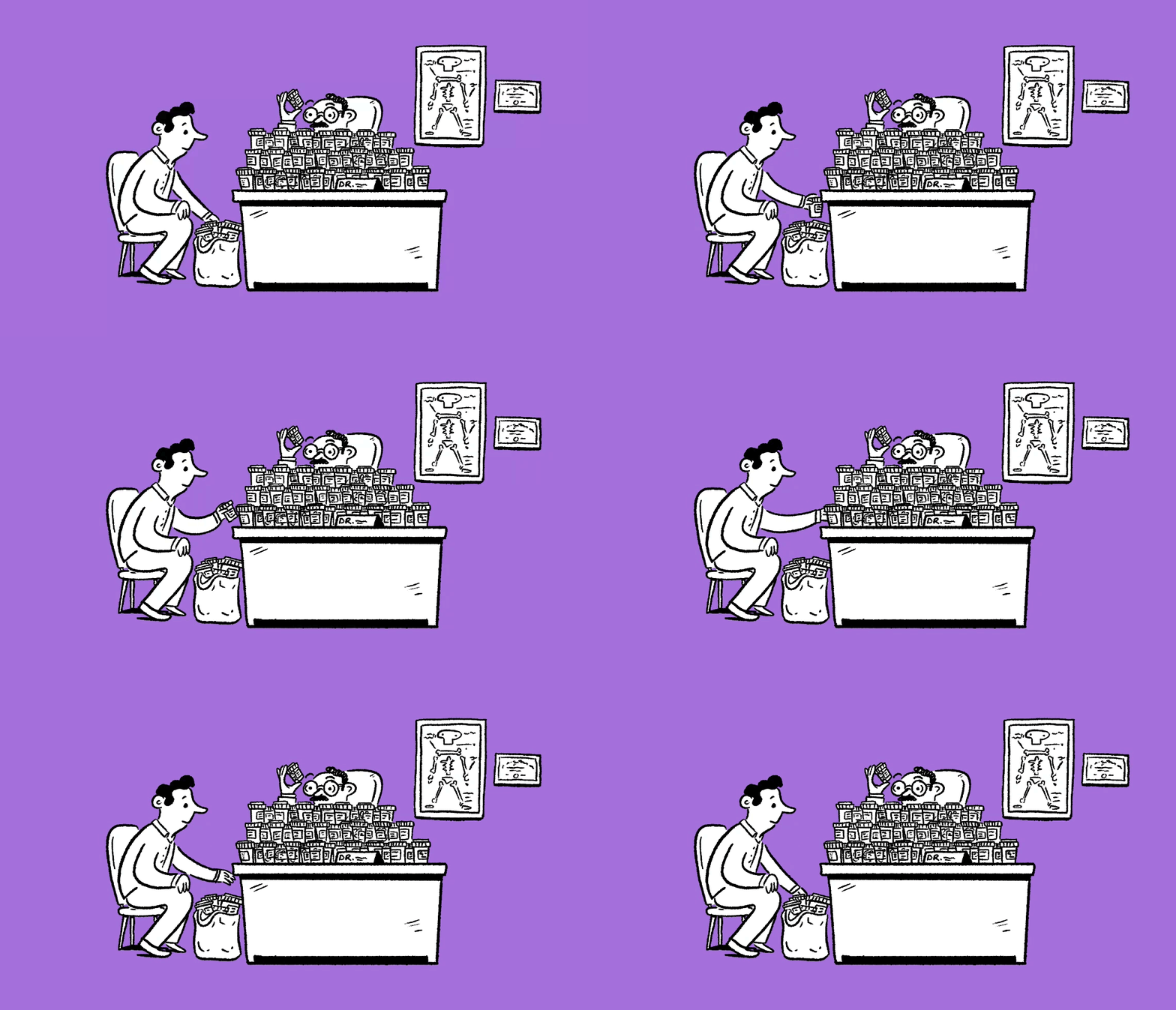
If you’re juggling multiple medications, it’s understandable to feel overwhelmed. Yet it’s a common practice of modern health care. A study published in JAMA Internal Medicine reports that more than 4 in 10 folks who are 65 or older regularly use five or more prescription drugs. That seems like a lot. Let’s examine why so many of us take numerous medications and, more importantly, how to simply and safely keep track of them.
More Ways to Benefit
- Related Benefit 1
- Related Benefit 2
- Related Benefit 3
- Related Benefit 4
- Related Benefit 5
Some of the most popular prescription medications older adults take are for blood pressure, diabetes, cholesterol, thyroid issues, depression and pain. While taking several drugs may be necessary, it comes with risks. The most common are harmful interactions, unwanted side effects and confusion over dosage. Of course, nobody wants any of this. That’s why reviewing your medications regularly and keeping track of your daily prescriptions is so important. Your life may depend on it.
Let’s go over user-friendly tips to keep you on top of your game.
The first thing I suggest is cleaning out your medicine chest and bringing it up-to-date. Set aside a separate space where you’ll put the drugs you want to discard. Carefully go through your medications one by one and check their expiration dates. If one is expired, put the container in the discard pile. Put any drugs you’re no longer taking in the same place. These can include over-the-counter (OTC) drugs such as Advil, Tylenol and Benadryl.
Remember to check the expiration dates on drugs you keep in the refrigerator, such as glaucoma drops or certain diabetes or weight loss medications.
Don’t dispose of unwanted medications in your toilet, sink or trash, because it pollutes waterways and harms our environment. Instead, gather them in a bag and bring them to your pharmacy, or go to the Drug Enforcement Agency’s website and click the drop-off bar for a location near you that takes discarded drugs as part of the Take Back Day program.
Put the drugs you frequently use on the first shelf of your medicine chest, the ones you rarely use on the middle shelf, and OTC remedies on top.
Now look at the drugs you take regularly and make an up-to-date medication list. Include brand and generic names, dosages, and how often and what time you take the drug. Share this list with your doctor, pharmacist and anyone assisting you with your care. Be sure to include any supplements you take regularly. Many vitamins and herbal supplements, even common ones like vitamin C and turmeric, can interfere with prescription drugs.
I always ask my patients to bring their medication bottles in so I can double-check that the information is correct. You can be similarly proactive. At least once a year, or whenever you have a change in health, ask your provider to review your medications. Even a small reduction, let’s say from six meds to five, can lower the risk of complications.
To keep track of the drugs you’re supposed to take, incorporate tools that make the routine easier. Try a weekly pill organizer with compartments for day and time. But keep in mind that this system may not work for everybody. For example, my 91-year-old mother takes a lot of pills, many of which look similar, and sometimes loses track of which pills she’s put in each compartment. If you share the same problem, many pharmacies provide blister packs or prefilled boxes.
Are you having trouble remembering to take your medications? There are mechanical dispensers that release the correct medication and audibly or visually alert you to the prescribed time. You could set an alert on your smartphone or watch as well.
I also think it’s a great idea to use a single pharmacy, if possible. This way, your pharmacist can help monitor refills, alert you to interactions and coordinate with your providers.
Medications can be lifesaving, but only when taken safely and consistently. By staying organized, communicating openly with your doctor and using tools that work for you, you can take control of your health one dose at a time. I’ve seen firsthand how a simple routine can transform medication management from a daily struggle into a confident, safe and life-affirming habit.

AARP Membership
Join AARP for only $15 per year with automatic renewal. Get instant access to members-only products and hundreds of benefits, a free second membership, and a subscription to AARP The Magazine.

You Might Also Like
Medium Promotional Title (48 char.)
This guide has practical strategies to improve health outcomes and peace of mind
Cutting Back on Medications Safely
A stuffed pill box could be harmful instead of helpful
Navigating Aspirin Use for Heart Health
Aspirin use: balancing benefits and bleeding risks