
AARP Hearing Center









































How Can I Combat Loneliness?
A doctor’s advice for what to do when you feel adrift in the world

James Yates
My husband passed away, and I miss the companionship. Do you have any ideas for combating loneliness?
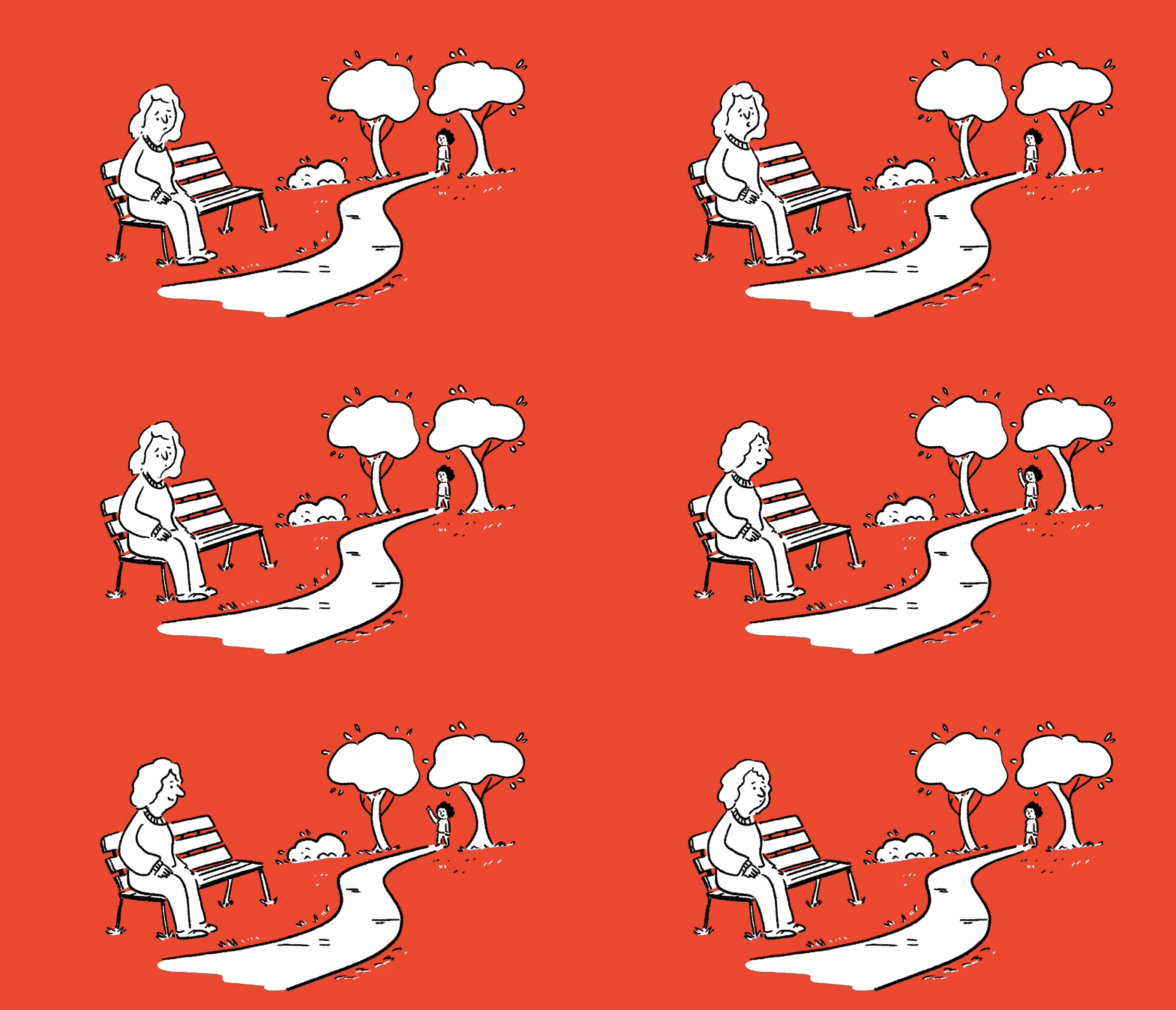
I’m sorry for your loss and appreciate that you are sharing your situation with us. I know a lot of people going through exactly the question you asked. It’s such a common condition that the U.S. Surgeon General, Vivek Murthy, called loneliness a public health crisis. In a national survey, one in three people said they experience loneliness every week. This sense of solitude can hurt our mental and physical health. I’ve seen firsthand how my patients who feel isolated can age and become disabled faster.
More Ways to Benefit
- Related Benefit 1
- Related Benefit 2
- Related Benefit 3
- Related Benefit 4
- Related Benefit 5
For older people who may have spent a lifetime with their spouse, no matter how expected the death, being on your own can feel devastating. Not only do you change your identity from a partner to a single person, at the same time, your social life is likely to diminish.
Ways to Connect
Check out AARP’s Create the Good website for volunteer opportunities. There are also Ethel Gathering Groups, an offshoot of the Ethel Circle Facebook group, where mature women meet in person to share insights, get advice and build relationships. Find out if there is one near you here.
I tell my older patients, “You need to acknowledge this is going to happen and prepare for it.” I recommend that they have a social network in place, whether that includes family, friends and neighbors, or members of their house of worship or community center. These can provide both support and comfort. This way, when your loved one is no longer with you, there are people who know what’s going on.
After my dad died, I reminded my mom that her husband would have wanted her to be happy and out in the world again. Still, I saw how easily loneliness took hold of her after he passed. I also witnessed the positive steps she took, with the help of her family, to ease her isolation. I’d like to share some of them with you, and I hope it helps.
Getting an exercise routine in place was one of the best things my mom did. Not only did it help her feel optimistic by releasing feel-good endorphins, she got a chance to communicate with other people on a regular basis and feel good about her physical accomplishments. A lot of my widowed patients tell me they make new friends at the gym or while they’re playing pickleball. An added perk is that exercising gives you a reason to get out the door. Of course, it’s also good for your physical health.
You might want to join a group. I understand that clubs for books, cooking, knitting and chess are popular. Your local library or community center may have a list of clubs. Some people I know have taken adult education classes where they’ve made new friends with those who share similar interests.
If you’re looking for a support group, a nearby hospital or your doctor may be able to help you locate one. While people can benefit tremendously, it’s not for everyone. Some of my patients say, “Adam, I don’t want to be around a bunch of people talking about the same problem I’m having.”
In a similar way, everyone has their own special interests; you should pursue yours. For instance, my mom loves to go to the museum, and I encourage her. “The museum is exercise for your body, brain and soul,” I’ve told her. Not only is she engaged with the art around her, but it also gives her a reason to keep moving and be among people.
If you can do it and have the desire, the act of giving by volunteering can offer personal satisfaction and boost your self-esteem. Many of us who were taking care of a loved one before they passed miss that opportunity. It’s gratifying to find somebody to give to again. It offers a sense of purpose and connects us to others. Research shows volunteering offers health benefits like relieving anxiety and stress, especially among older volunteers. Doing good feels good.
It's important to stay in touch with family and friends. If you don’t hear from them, reach out with phone calls, emails and texts — whatever feels most comfortable. These are the people who have witnessed your loss and share a history with you. Although we all experience loneliness every now and again, those closest to us can remind us that we’re not alone.

AARP Membership
Join AARP for only $15 per year with automatic renewal. Get instant access to members-only products and hundreds of benefits, a free second membership, and a subscription to AARP The Magazine.

You Might Also Like
Medical Breakthroughs That Could Impact Aging
Advances that aim to keep us healthier, longerNavigating Etiquette: Gifts and Gratitude
One doting grandparent's struggle — and our new money etiquette columnist's advice
25 Great Ways to Step Outside Your Comfort Zone
Push past complacency by trying things you’ve never done before