
AARP Hearing Center









































How Can I Help My Partner With Depression?
What to do when you think a loved one seems withdrawn and may be depressed

James Yates
My partner seems withdrawn and depressed. How can I help him?
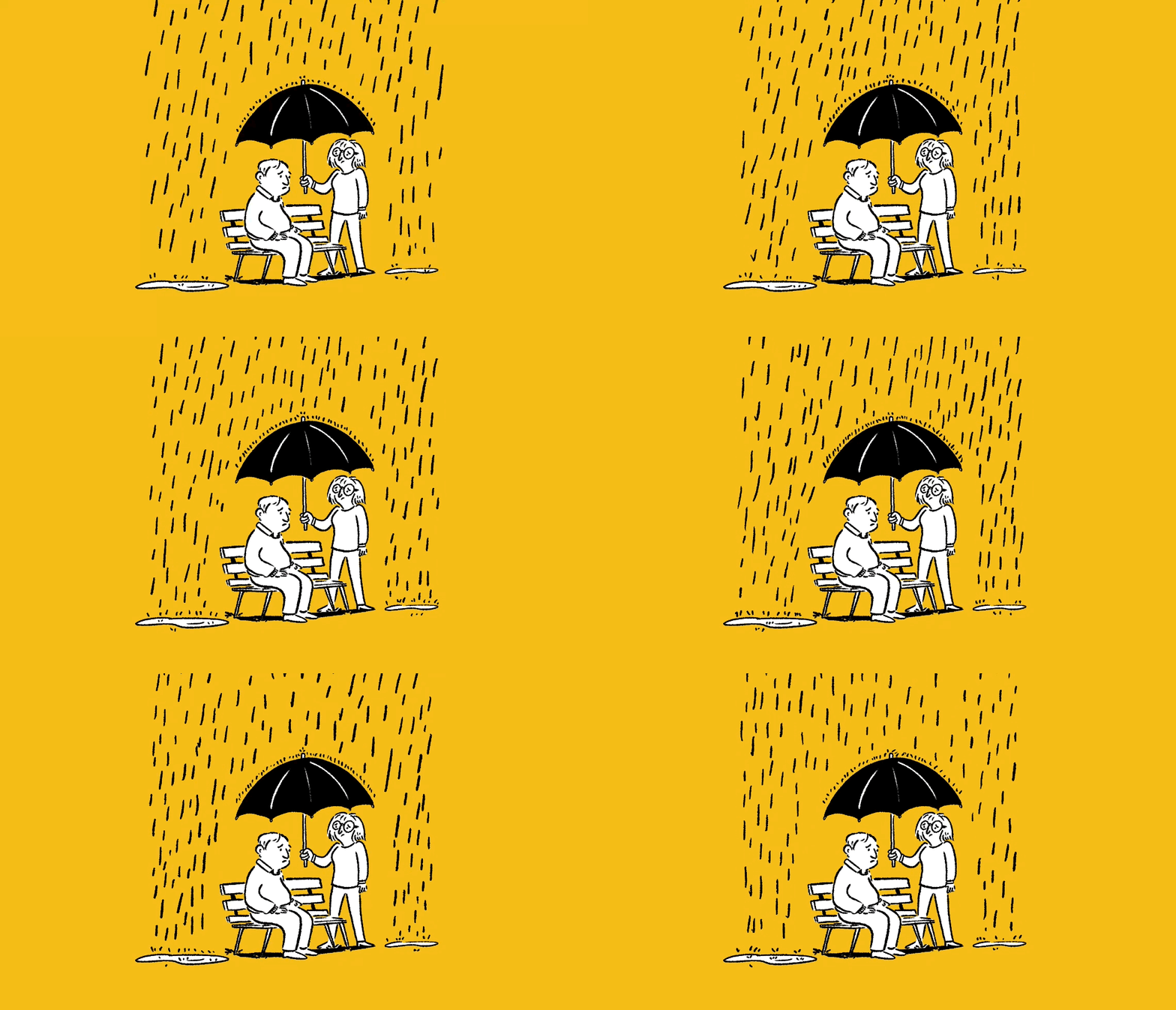
First, I want to say how important it is that you noticed these changes in your partner and that you care enough to seek help. This is no small thing. When we love someone, it can be deeply unsettling to see their light dim. You’re not alone in this, and neither is he.
More Ways to Benefit
- Related Benefit 1
- Related Benefit 2
- Related Benefit 3
- Related Benefit 4
- Related Benefit 5
Depression in older adults is more common than many of us realize, yet it often goes undiagnosed. One 2025 study found that about 1 in 5 adults over 50 said they had depressive symptoms such as feelings of sadness, loss of pleasure or energy, or increased indecisiveness at least occasionally, and nearly 1 in 5 reported feeling this way often. And yet many folks never speak with their doctor about it.
There’s a persistent myth that sadness is a normal part of aging. It’s not. While we all face losses and changes as we grow older, chronic sadness and withdrawal aren’t inevitable. Both are signals that something is off and needs attention. The good news is that there are effective ways to help your partner, and yourself, get through this. Let’s look at them.
You could start with a gentle conversation. It may feel uncomfortable, but it’s essential. Pick a quiet moment to share your concern. You’ll want to avoid labeling him as “depressed” or “not normal,” which can feel accusatory. Instead, focus on the behaviors, saying something like, “I’ve noticed you’ve been pulling away lately, and you seem less like yourself. I’m worried and I care. Do you want to talk about it?”
I suggest you encourage him to get a checkup. Sometimes what looks like depression can stem from a medical issue like thyroid dysfunction, vitamin B12 deficiency or side effects from medication. If he’s hesitant, you can say, “Let’s both get our checkups. It’s been a while, and it will give me peace of mind.” The U.S. Preventive Services Task Force now recommends depression screenings for all adults, including those over 65. Medicare covers annual depression screenings as part of its free “wellness” visit.
Don’t underestimate the power of movement. Research consistently shows that physical activity is one of the most effective non-drug treatments for mild to moderate depression. Even a light-intensity activity like walking can significantly reduce depressive symptoms. Just 20 minutes outdoors can lift someone’s mood, especially when the experience is a shared one. How about suggesting that you take morning walks together?
Reintroducing social connections is a good idea, but do it slowly. Isolation is both a cause and a consequence of depression. Suggest low-pressure opportunities like a quiet lunch with one trusted couple, a visit from a grandchild or taking a local class together. Many senior centers offer music, art and fitness courses as well as lectures.
Some older men were raised to believe that needing help with their psychological well-being is a sign of weakness. Remind your partner that therapy isn’t about “fixing” someone; it’s about helping them find themselves again. You could start by reading this article on How to Find the Right Therapist, then visit the Medicare website to find providers. Therapy options now include virtual visits, which can be less intimidating.
Your partner might need medication; a therapist will make that call. Your partner shouldn't be afraid to try medications if that’s what your doctor or therapist recommends. There are many good ones available that help millions of people with their depression.
It's hard to watch someone you love struggle, especially when they can’t, or won’t, explain what’s wrong. But your steady presence, compassion and willingness to act are powerful.
Depression is usually treatable, and no one should have to face it alone. And please remember that while you’re caring for your partner, you need to care for yourself as well.

AARP Membership
Join AARP for only $15 per year with automatic renewal. Get instant access to members-only products and hundreds of benefits, a free second membership, and a subscription to AARP The Magazine.

You Might Also Like
Strengthen Your Sixth Sense
Tips to boost intuition and inner wisdom
Insider Secrets From a Top Acupuncturist
19 things to know about the ancient Chinese treatment
Effective Ways to Calm Anxiety as You Age
A doctor's advice on dealing with tension and worry