



Javascript is not enabled.

Javascript must be enabled to use this site. Please enable Javascript in your browser and try again.

Skip to content
Content starts here
CLOSE ×
Search
CLOSE ×
Search
Leaving AARP.org Website

You are now leaving AARP.org and going to a website that is not operated by AARP. A different privacy policy and terms of service will apply.

The Surprising Reason You Should Try Vaginal Estrogen

In addition to easing menopause symptoms, the treatment can help prevent a common infection that can be dangerous in older adults


Illustration of a woman resting while surrounded by pills, symbolizing vaginal estrogen therapy for menopause symptoms, hormone treatment, and women’s health care
Naomi Elliott

Menopause can bring on a wide range of changes that affect many parts of the body — from hot flashes and night sweats to brain fog and vaginal dryness.

Fortunately, there are treatments that can help relieve one or more of these symptoms, including vaginal estrogen. However, in addition to addressing menopause-related issues, this therapy offers a surprising — and potentially life-saving — advantage for postmenopausal women: It can help prevent urinary tract infections.

What is vaginal estrogen?

As you may be able to guess from the name, vaginal estrogen is a type of estrogen that is applied to the vaginal area. It’s low-dose estrogen available in a variety of formats, including a cream, tablet, ring or gel.

Dr. Radhika Ailawadi, chief of the Division of Urogynecology at Lehigh Valley Health Network in Allentown, Pennsylvania, says these products work by restoring the vaginal epithelium (cells that make up one layer of the inner lining of the vagina) and normalizing the vaginal pH, which supports good bacteria known as lactobacilli while preventing the growth of bad bacteria. At the same time, vaginal estrogen also improves tissue moisture and elasticity.

A safe treatment option for most patients

One of the biggest advantages of vaginal estrogen, doctors say, is that – unlike some other common menopause treatments — it’s an option they can recommend for just about all of their patients.

Hormone replacement therapy (HRT) is often the go-to treatment for menopause symptoms. However, HRT is typically not recommended for patients with a history or increased risk of conditions such as stroke or certain types of breast cancer. By contrast, research has shown that vaginal estrogen is a safe option for most people, including those with a stroke history.

“Truly, everyone’s a candidate if they’re symptomatic,” says Ailawadi, noting that, as with any medication, vaginal estrogen should be used under the supervision of a physician who is familiar with your medical history and any other health conditions you may have.

For the majority of patients, vaginal estrogen is considered extremely safe. “Because it’s locally applied, the systemic absorption is so limited that we feel good about giving you an intervention that truly we would give to ourselves or our mothers or sisters,” Ailawadi says.

How vaginal estrogen helps prevent UTIs

Vaginal estrogen can help alleviate numerous menopause symptoms, including vaginal dryness, pain with intercourse and urinary urgency. But the most important thing is its ability to help prevent UTIs, says Dr. Rachel Rubin, a board-certified urologist and sexual medicine specialist in Bethesda, Md. In older adults, UTIs can be especially dangerous.

By healing and strengthening vaginal tissue, reducing irritation, and improving the vaginal microbiome — including promoting the growth of healthy bacteria — vaginal estrogen helps prevent many conditions that can lead to UTIs. And it’s very affordable. Rubin says you can get a tube of estrogen cream at a cash price using a GoodRx coupon or an online pharmacy for around $13, and that it can last more than two months.

Embracing new terminology to discuss menopause symptoms

About a decade ago, the medical community began using the term Genitourinary Syndrome of Menopause (GSM) to refer to the broad cluster of menopause symptoms involving genital, sexual and urinary systems and functions. This was an important step, Rubin says, because the “urinary” part of the name helped focus attention on symptoms that impact the urinary tract.

“This is not just a little vaginal dryness that lubricant will fix,” Rubin says. “This is UTIs, urinary frequency, urinary urgency — this is why you’re wearing Depends.”

These symptoms had long been overlooked or minimized in the realm of menopause treatment, Rubin says. Even now, many doctors still don’t seem to be aware of the important role vaginal estrogen can play in preventing UTIs, she says. That’s why her office has created a prescribers’ guide to give doctors a quick tutorial on vaginal hormones and how they can help with GSM symptoms.

Why UTIs are a serious health risk

Urinary tract infections aren’t just an annoying inconvenience. They can often be a serious — possibly even life-threatening — medical emergency.

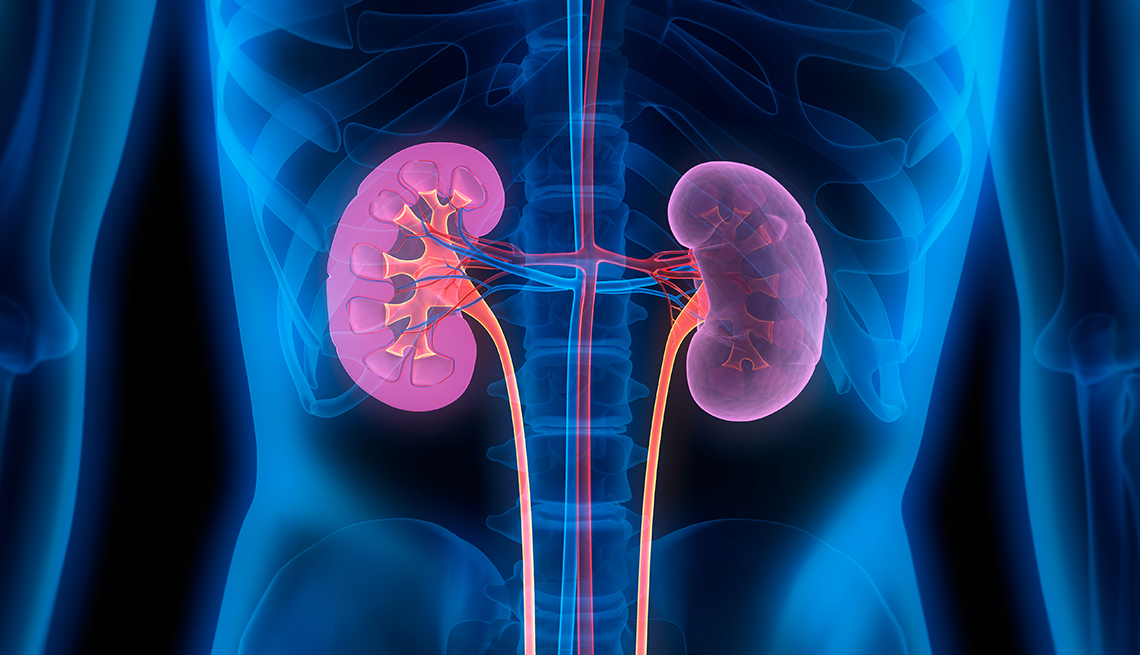
“A severe UTI, once it ascends into the bladder, it’s [initially] noticeable as local discomfort, but once it sends up into the kidneys, and you have flank pain and you have fever and you have confusion,” says Ailawadi, who notes that many people are surprised by how quickly a UTI can lead to septic shock, which is a life-threatening condition.

“I once saw a number as high as up to 20 percent of people that go in for this type of systemic UTI don’t leave the hospital. That’s really concerning,” Ailawadi adds. 

UTIs can be especially dangerous for older people who have certain coexisting health conditions or whose immune systems are already compromised. Renal scarring or acute kidney injury can occur in some hospitalized UTI patients, Ailawadi say, and there’s also the possibility of developing drug-resistant infections, which can then be more difficult to treat.

While the health risks are of course the most important concern of UTIs, there’s also a financial cost to the patients and their insurance companies. Rubin says that by preventing a significant number of repeat infections — and the hospitalizations and medical treatments that often go along with them — vaginal estrogen could save Medicare billions of dollars each year.

Other ways to avoid UTIs

In addition to considering vaginal estrogen, Ailawadi suggests some other strategies to help prevent UTIs:

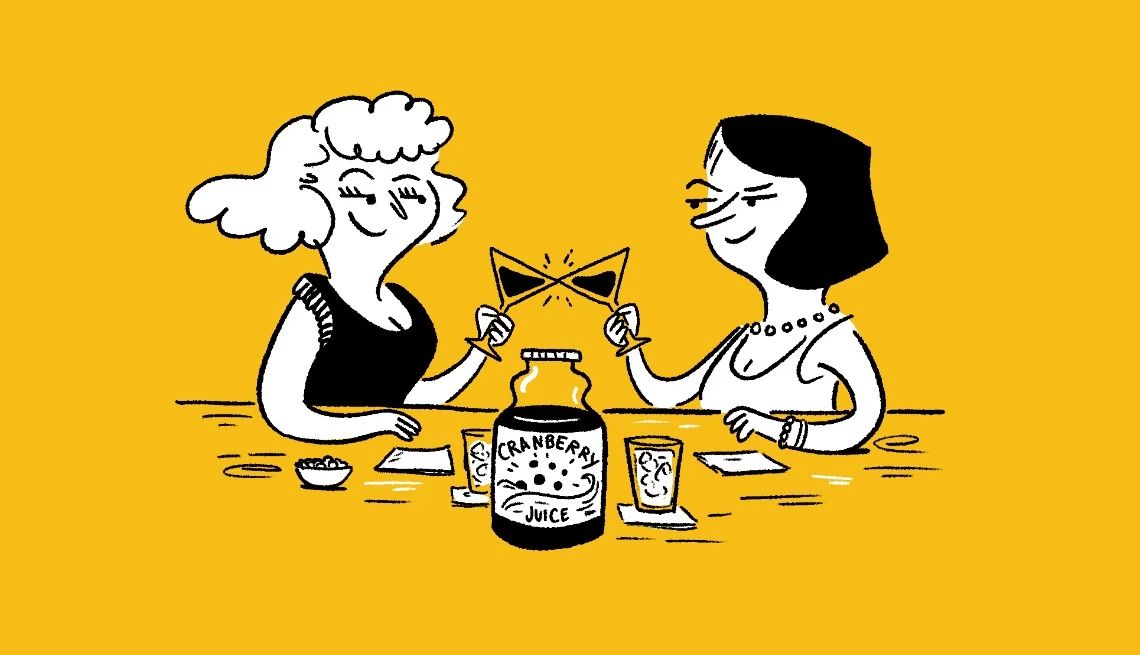
  • Consume more proanthocyanidins, which are chemicals found in cranberries, blueberries and some other fruits. For higher amounts, talk to your doctor about proanthocyanidin supplements.
  • Ask your doctor about D-mannose, a chemical that’s also found in some fruits (and available in supplements) that can prevent bacteria from sticking to the bladder wall.
  • Wipe carefully after using the bathroom, and urinate after sexual intercourse.
  • Drink enough water every day.
  • Surgical intervention may be a consideration for women who have anatomic abnormalities like dropped bladder or prolapse.

Unlock Access to AARP Members Edition

Join AARP to Continue

Already a Member?

Red AARP membership card displayed at an angle

Get instant access to members-only products and hundreds of discounts, a free second membership, and a subscription to AARP the Magazine.