























Javascript is not enabled.

Javascript must be enabled to use this site. Please enable Javascript in your browser and try again.

Skip to content
Content starts here
CLOSE ×
Search
CLOSE ×
Search
Leaving AARP.org Website

You are now leaving AARP.org and going to a website that is not operated by AARP. A different privacy policy and terms of service will apply.

8 Best Exercises to Help You Sleep at Night

And which workouts are best for a good night’s rest


illustration on a pale yellow background shows eight diverse people performing gentle exercises, including a bridge pose, seated neck turns, hamstring stretches using a towel, and child's pose
Ania Siniuk

Tired of not getting a good night’s rest? Sleep patterns change as you age. You may find yourself struggling to get to sleep, waking up in the middle of the night or earlier in the morning.

Regular physical activity has countless health benefits, including helping you sleep. Additionally, doing a few simple exercises before you hit the hay may prepare your body for restful sleep. 

The science of exercise and sleep

When you exercise regularly during the day, your circadian rhythm (or natural internal clock) stabilizes so you’re primed for sleep at night, says Robert Mankowski, an associate professor at the University of Alabama at Birmingham’s Heersink School of Medicine who specializes in geriatrics.

Consistent exercising improved sleep in people over 60 with and without insomnia, according to a 2022 review of 12 trials published in the Journal of Ageing and Longevity.

A 2025 report published in BMC Public Health that evaluated 86 existing trials found that aerobics, resistance training, combined aerobics and resistance training, yoga, Pilates and traditional Chinese exercises such as tai Chi all enhanced sleep, but Pilates was the most effective, with aerobics coming in second. Yoga was ranked last in this analysis.

Similarly, a 2023 review on 13 studies showed that yoga, walking, cycling, multicomponent exercise, Pilates, elastic bands and acupunch (punching acupressure points) improved older adults’ sleep quality. (AARP members, try our Pilates Anytime videos.)

Working out at a moderate pace three times a week supports better sleep in adults over 60, according to a 2020 report in the International Journal of Behavioral Nutrition and Physical Activity.

Rhonda Winegar, an assistant professor at the University of Texas at Arlington who researches sleep, likes resistance and strength training for older adults in general and says it also supports restful sleep. Tai chi is another winner because it includes strength and social connections that are a must as you become older.

Make sure you engage in something enjoyable, Winegar says. “If you like it, you’re going to stick with it,” she adds. 

Why Sleep Can Be a Nightmare for Some Older Adults

Certain medications, having a medical condition or dealing with chronic pain can affect your ability to get z’s. Sleep disorders like insomnia and sleep apnea are more prevalent with age, as are movement disorders like restless legs syndrome and leg cramps.

“Aging has a significant impact on circadian rhythms and our sleep drive,” says Drerup. Circadian rhythms often shift as we age, so you feel sleepier earlier in the evening and wake up earlier the next day. A disrupted circadian cycle can lead to numerous health issues, so keeping yours regulated is important for optimal health, according to the Cleveland Clinic.

“Older adults also tend to spend less time in deep sleep or slow wave sleep and have more fragmented sleep and wake up more often throughout the night,” she adds.

Gentle exercise before bed can help improve sleep quality and duration.  

When to work out

Timing your workouts may affect your sleep. The National Library of Medicine says not to be vigorously active within three hours of going to bed. Exercising four to eight hours before bedtime reduces the time it takes to fall asleep and lowers wakefulness after you’re out. Working out more than eight hours before sleep, or within four hours of bedtime, could have negative effects, other research finds.

Ultimately, you should work out at a time of day that works for you, Winegar says. If you exercise early in the morning, that puts you in a routine, which can help regulate your circadian clock and lead to better sleep. Morning workouts encourage movement earlier in the day, which could make it easier throughout the day if you deal with chronic pain.

“Morning exercise can help regulate a person’s circadian rhythm, especially outdoors, as an increase in natural sunlight exposure can further help strengthen sleep/wake rhythms,” says Michelle Drerup, a psychologist and director of the Behavioral Sleep Medicine program at the Cleveland Clinic. 
Exercises to do before bed

In addition to working out regularly, gentle exercise before bed may improve your sleep. Low-impact and mindful movements can help your body and mind unwind and potentially prevent muscle cramps. They may ease anxiety about getting to sleep if you have sleep problems, Winegar says.

Be sure that anything you do before bed is low intensity, Mankowski says. “Anything that would be gentle and aligned with your resting state probably is best,” he adds.

A 2021 study in the Journal of Geriatric Psychiatry and Neurology showed that low-intensity exercises in the evening may support better sleep, including the time it takes to fall asleep and sleep quality.

A few exercises to try for better sleep before you go to bed include: 

illustrated woman doing the parking lot neck exercise
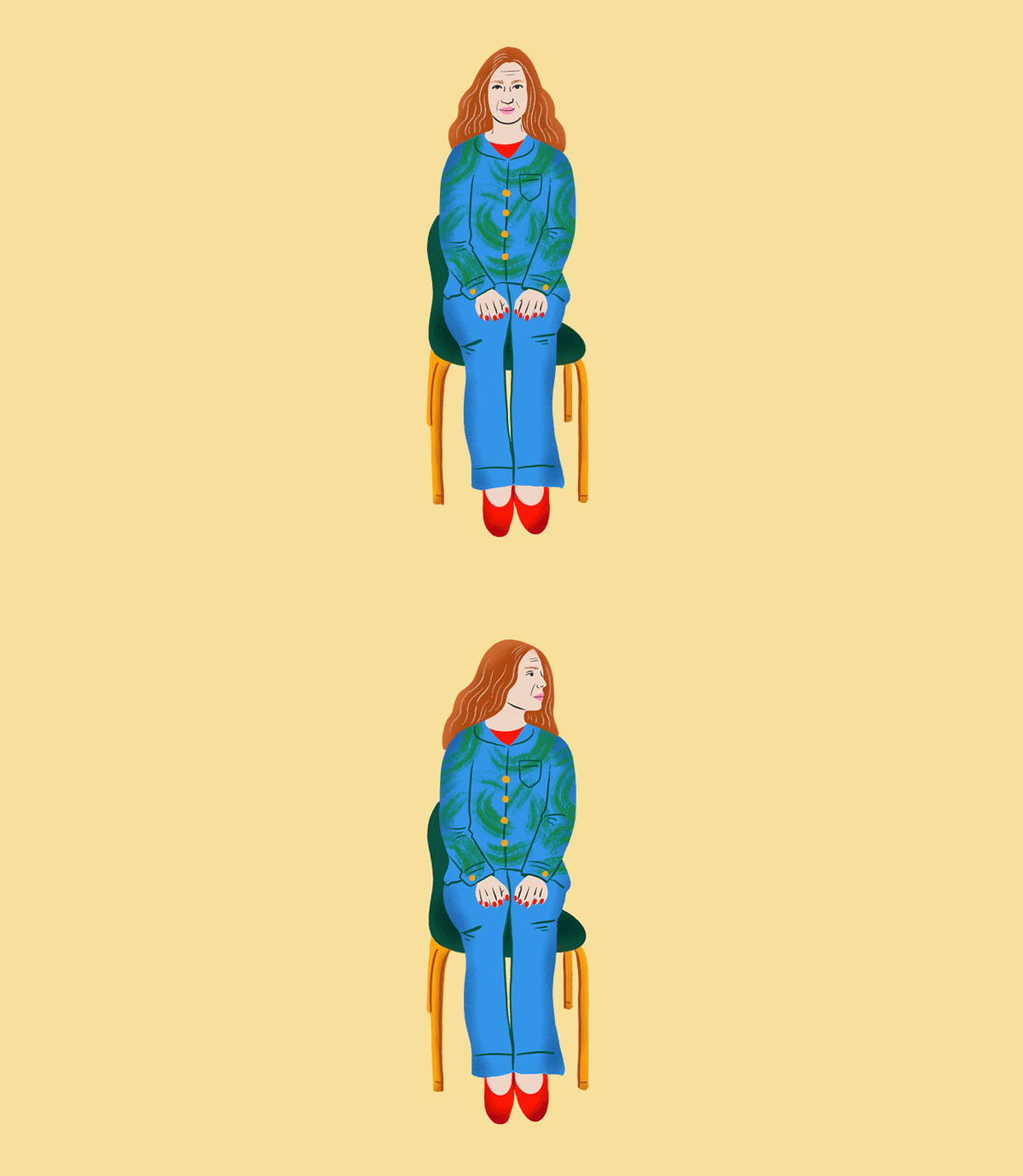
Parking lot: Sitting in a chair, turn your head all the way to one side without straining. Then look the other way.
Ania Siniuk

1. Parking lot

Sit in a chair with your hands on your knees. Turn your head like you’re in a car, looking to the left as far as comfortable without straining. Then look to the right. Repeat three to five times.

What it does: Relieves tension in your neck. 

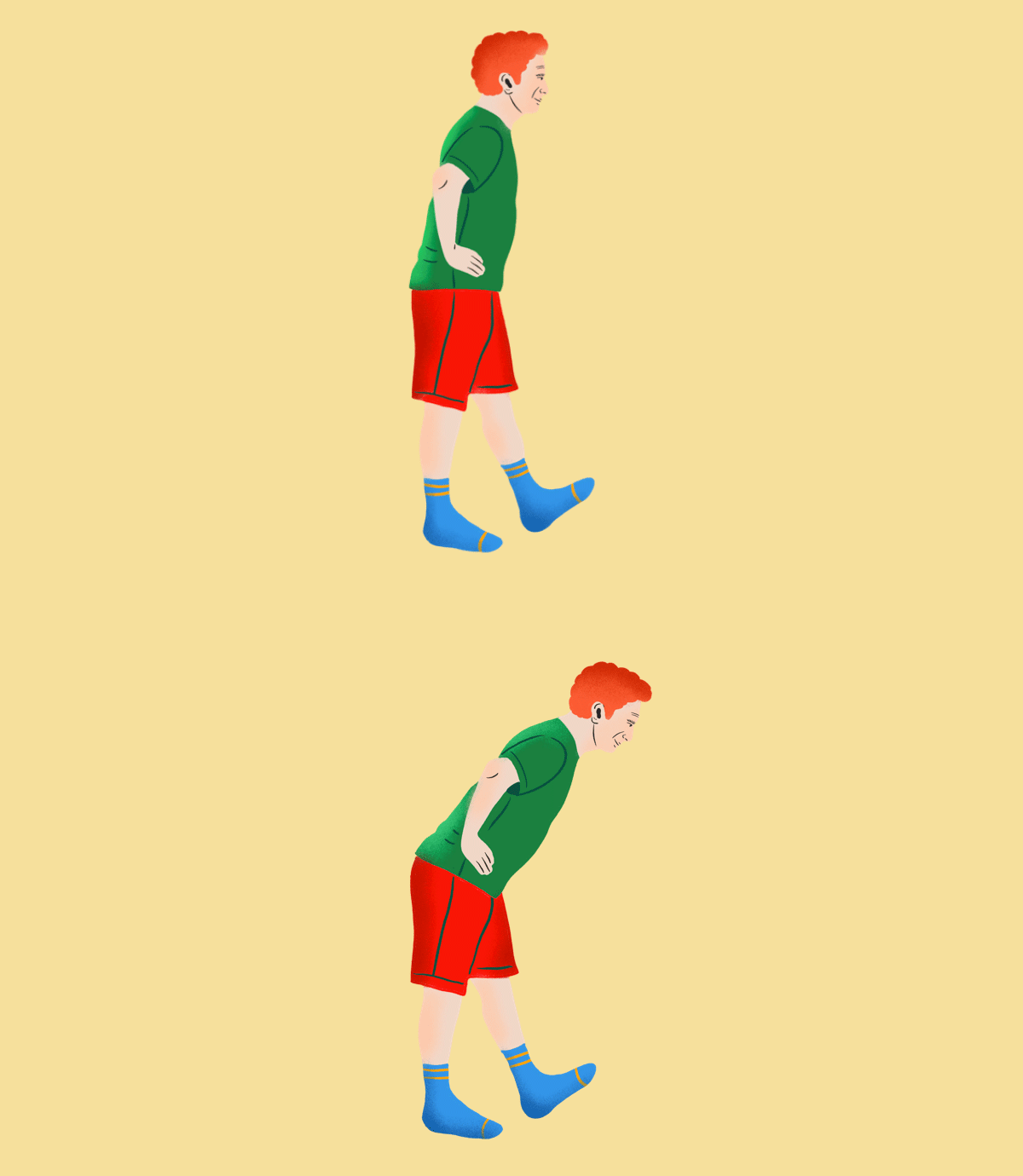
illustrated gif of a man doing a hamstring stretch
Hamstring stretch: Place one leg out about two to three steps in length in front of you, keeping heels on the floor and raising toes of the leg in front. Hinge at the hips to feel the stretch. Switch legs.
Ania Siniuk

2. Hamstring stretch

Stand up straight, with a wall at your side if you need balance support. Place one leg out about two to three steps in length in front of you, with your heel on the floor and your toes lifted toward the ceiling. Hinge at your hips slowly until you feel a gentle stretch in your hamstring muscle. Hold the stretch for 10 to 15 seconds.

Switch sides and repeat two to three times. You can also do this on a chair. This stretch is especially useful for those with restless legs syndrome or leg cramping at night, Winegar says.

What it does: Stretches your hamstring muscles. Research has found that stretching hamstrings and calves before bed reduces the frequency and severity of nighttime leg cramps or charley horses.  

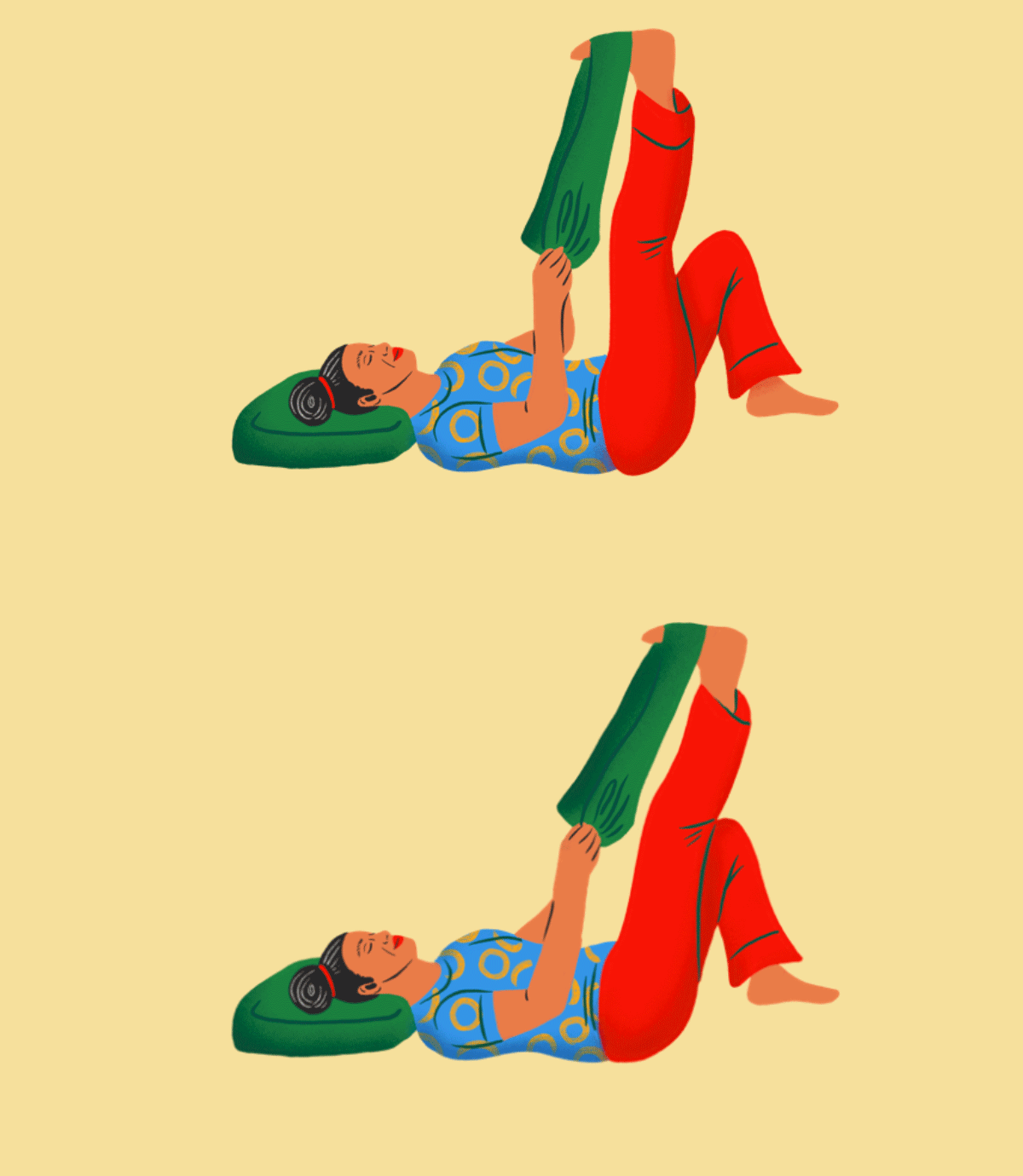
illustrated gif shows a person lying on their back in red pants and a blue patterned shirt, using a green towel looped around their foot to gently stretch their leg upward
Leg stretches: Lie in bed or on the floor with one knee bent and that foot on the floor, and raising the other leg straight up. Loop a towel around the ball of your raised foot, holding the towel ends in your hands. Gently stretch your leg, using the towel to guide your movements. Switch legs.
Ania Siniuk

3. Leg stretches

Lie in bed or on the floor. Take a hand towel and loop it around the ball of one foot, holding both ends of the towel in your hands. Raise your leg up, perpendicular to your body, using the towel to guide the stretch. Do one leg at a time, two to three times.

What it does: Stretches your hamstring and calf muscles. 

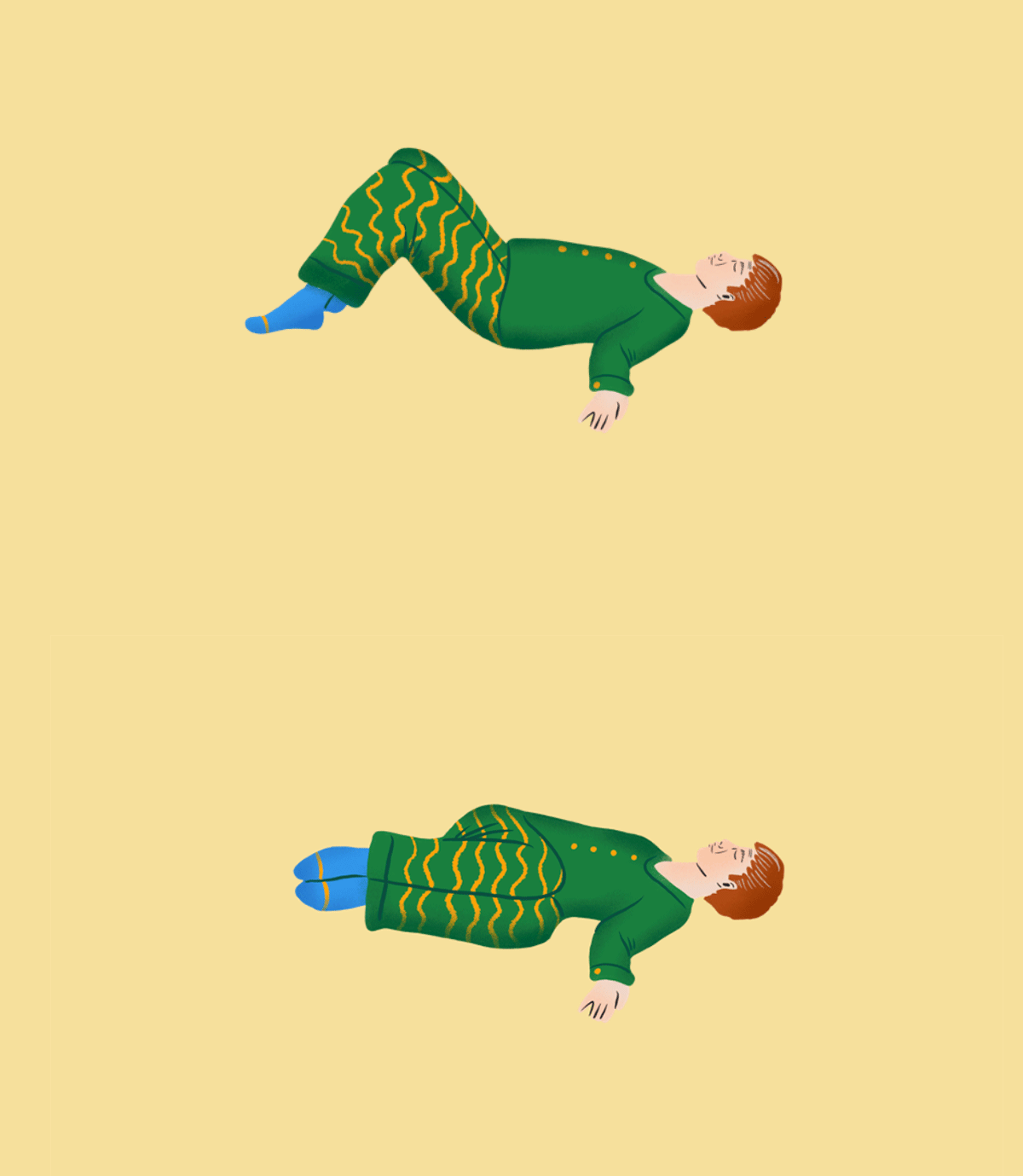
illustrated gif of someone doing the windshield wipers exercise
Windshield wipers: Sitting in a chair or lying down, place your hands at your side or gripping the chair and lift your knees into your chest slightly keeping your feet together. Gently move legs together from side to side, keeping shoulders in place so you twist from your waist and hip area.
Ania Siniuk

4. Windshield wipers

While sitting in a chair, place your hands on the sides of your chair for support and gently lift your knees slightly, keeping your feet together but not pressed tightly. Slowly move your legs from side to side. If you’re lying in bed, bring your knees up toward your chest with a comfortable bend in your legs. Or extend your legs as much as feels good, keeping your knees gently together before you move side to side. Complete five to eight movements on both sides.

What it does: Stretches your hips and lower back. 

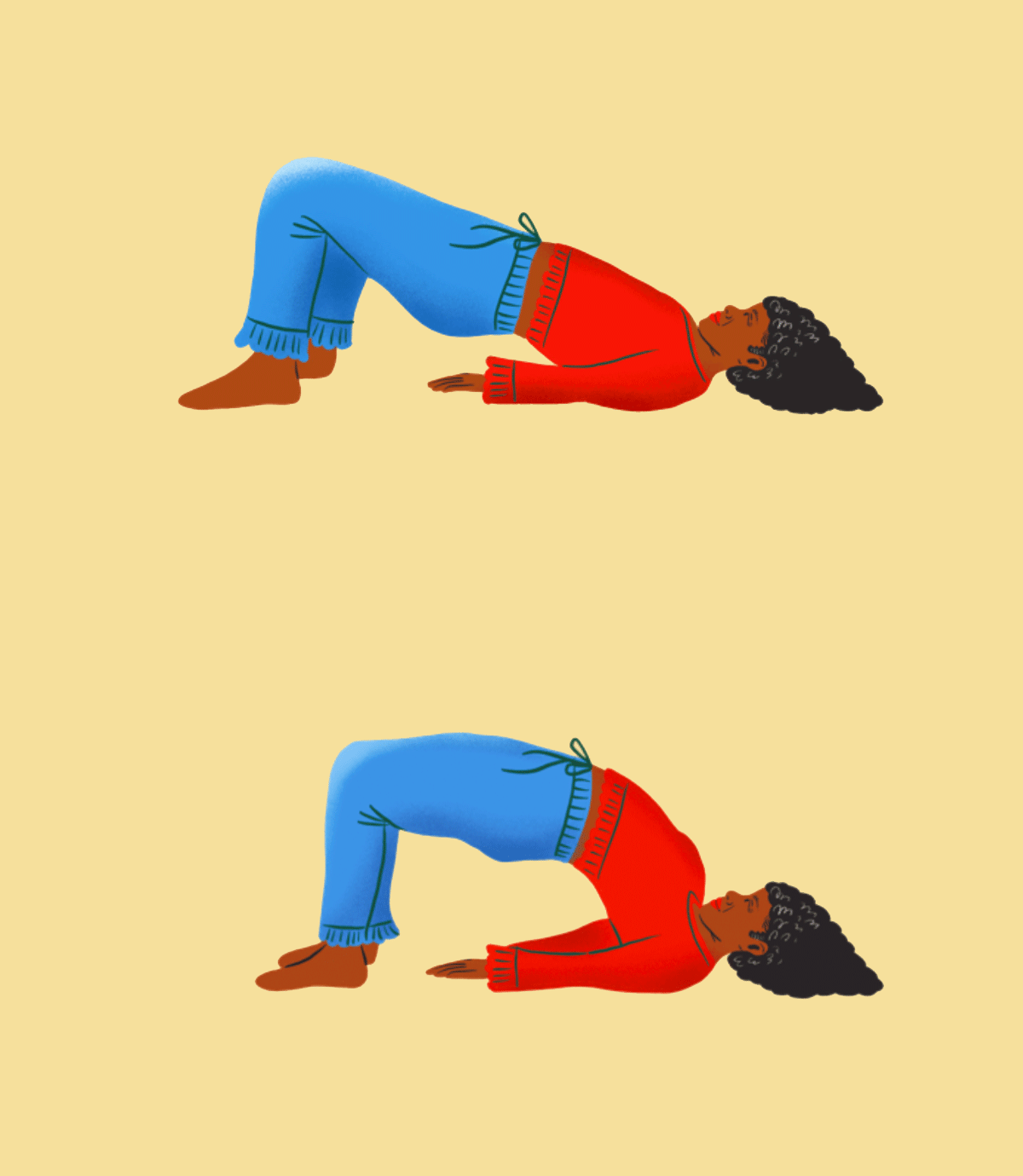
illustrated gif of a woman doing a glute bridge exercise
Bridge: Lie on your back with your knees bent 90 degrees and your arms at your sides. Slowly raise your hips up toward pressing weight into your feet. Hold and release your hips back down.
Ania Siniuk

5. Bridge

Lie on your back with both knees bent 90 degrees and your arms at your sides. Slow raise your hips up toward pressing weight into your feet. Hold for a few seconds and release. Repeat a few times if there’s no pain.

Winegar notes this is a popular exercise in the McKenzie Method — simple, non-intense exercises for musculoskeletal issues that can work well before bed.

What it does: Supports your lower back and pelvis by working your glutes, hamstrings and core. 

illustrated gif of a woman doing the toe raise exercise to help you sleep
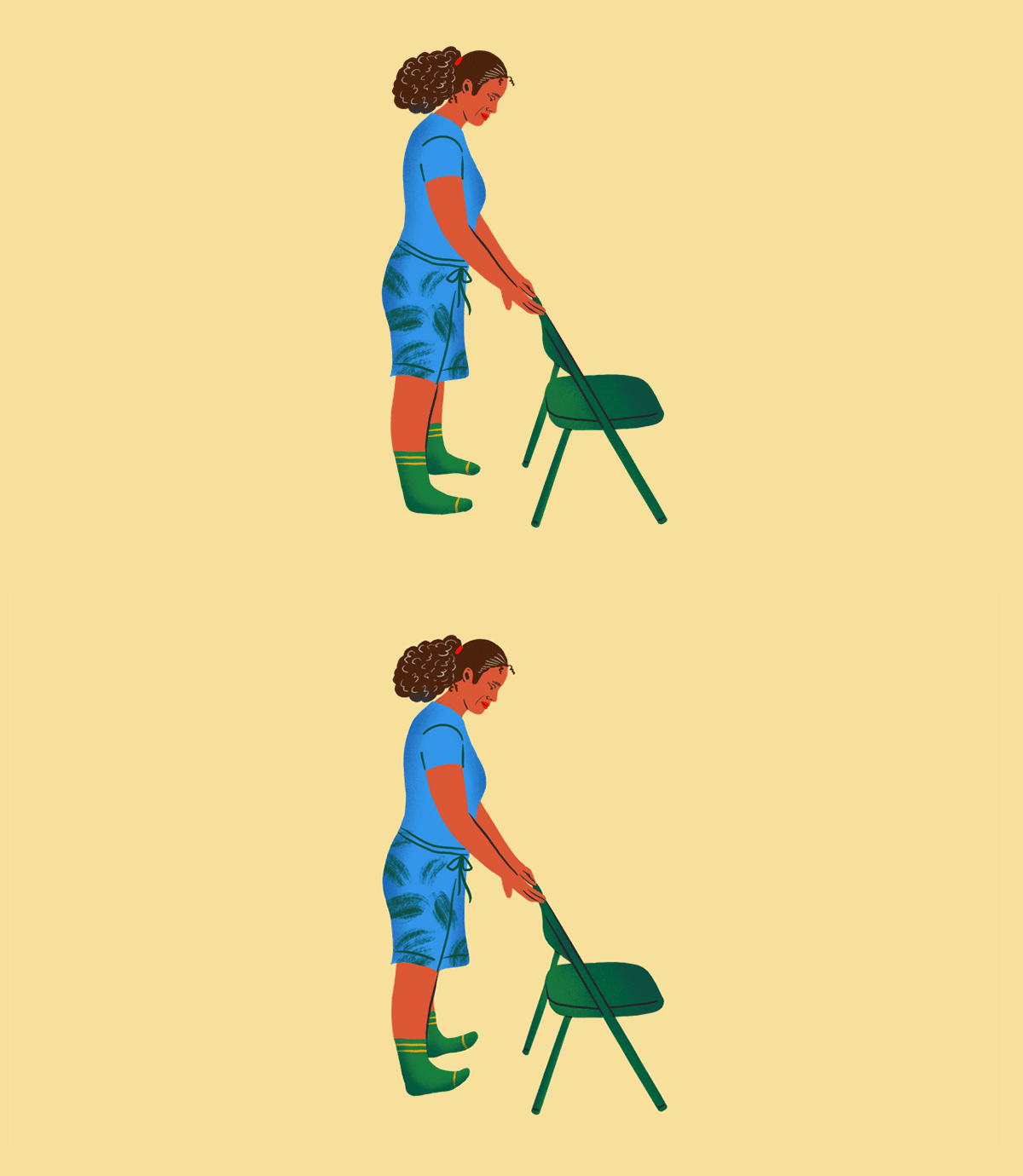
Toe raises: Use a wall or a chair for support. Lift your toes up so your body weight stays on your heels. Hold, release and repeat.
Ania Siniuk

6. Toe raises

Stand tall near a wall if you need balance support or sit in a chair with your knees bent and feet on the floor. Lift your toes up so your weight rests on your heels. Hold for a few seconds and repeat.

What it does: These moves strengthen your shin muscles. 

illustrated gif of a man doing calf raises
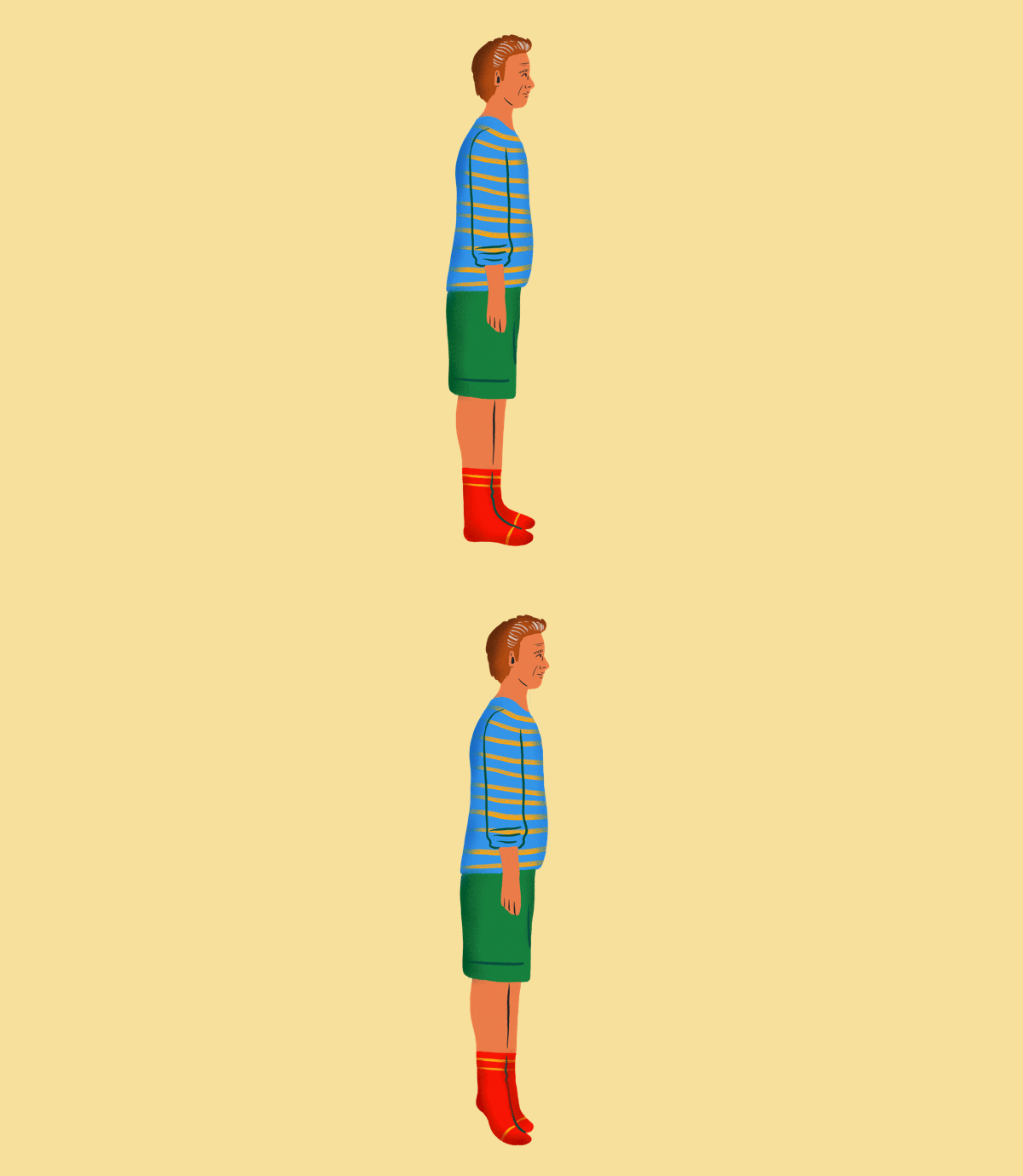
Calf raises: Seated or standing with feet flat on the ground, lift your heels off the floor and keep your toes down.
Ania Siniuk

7. Calf raises

From a seated position or standing with both feet flat on the ground, lift your heels off the floor while keeping your toes down. Hold for a few seconds and repeat. Use a wall for balance support if you’re standing.

What it does: Strengthens and stretches your calf muscles. (For a demonstration of how to do calf raises, see Surprising Body Parts You Need to Exercise Regularly.) 

illustrated gif of a man doing childs pose
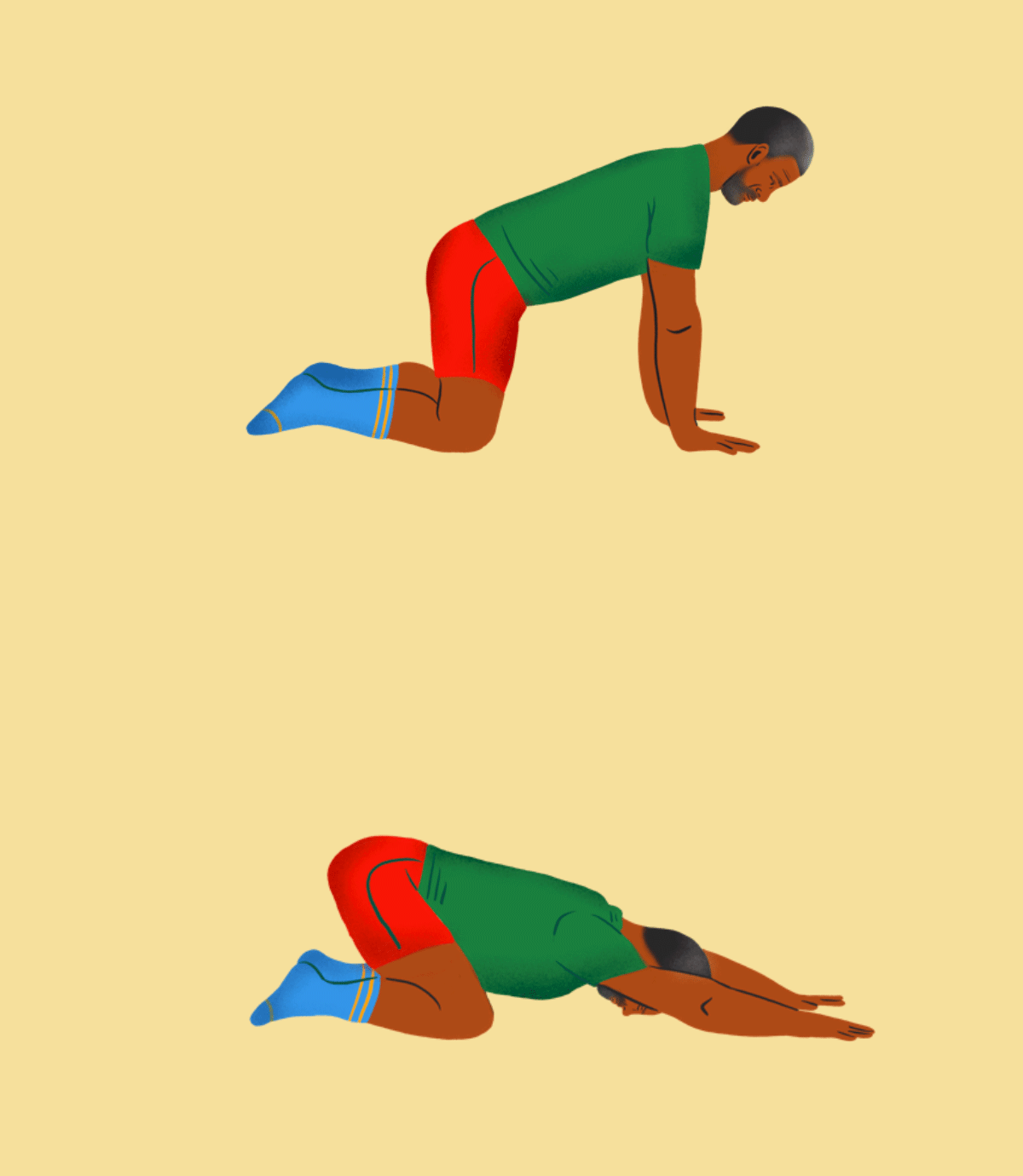
Child’s pose: Kneel on the ground or in bed. Lean forward and put your forehead on or close to the ground, keeping your buttocks to your heels. Arms can go in front or to your sides.
Ania Siniuk

8. Child’s pose

Even if you’re not a yoga buff, this can be relaxing, says Erin Nitschke, a personal trainer in Cheyenne, Wyoming. Kneel on the ground or in bed. Lean forward, keeping your buttocks to your heels, and rest your forehead on the ground or close to it. Breathe for a few seconds or as long as it feels good. Arms can go in front or to your sides.

What it does: Stretches your back and hips. (See a demonstration video of how to do child's pose.) 

Tips for exercises at bedtime

A few tips on exercises before bed:

  • Clear any exercises with a medical provider before you start. If you’re short of breath or experience pain, stop and rest. If it persists, seek emergency care, Winegar says.
  • Make sure you don’t eat too much right before going to bed, as that can interfere with sleep and the exercises, Mankowski says.
  • Breathe slowly and deeply while doing the exercises. This can help you physically and mentally wind down. “It just kind of relieves that stress,” Winegar says.
  • Diaphragmatic breathing can also help with relaxation. To do it, lie on your back with your knees bent. Put one hand on your upper chest and the other on your belly. Inhale through your nose, letting the air inflate your belly (the hand on your belly should rise). Then tighten your abdominal muscles and exhale through your mouth, lowering the hand on your belly.
  • If you can’t get down on the floor, consider using a chair or stretching on your bed. Modify exercises to fit your capabilities.

 “Even a small, gentle stretch can help your muscles relax and prepare your body for a comfortable night’s sleep,” Winegar says. The key is consistency and gentleness, not intensity, she adds. 

Unlock Access to AARP Members Edition

Join AARP to Continue

Already a Member?

Join AARP for only $11 per year with a 5-year membership. Get instant access to members-only products and hundreds of benefits, a free second membership, and a subscription to AARP The Magazine.