AARP Hearing Center


























My Blood Pressure Medications Aren’t Working
A doctor’s advice for getting high blood pressure under control
5-minute read

James Yates
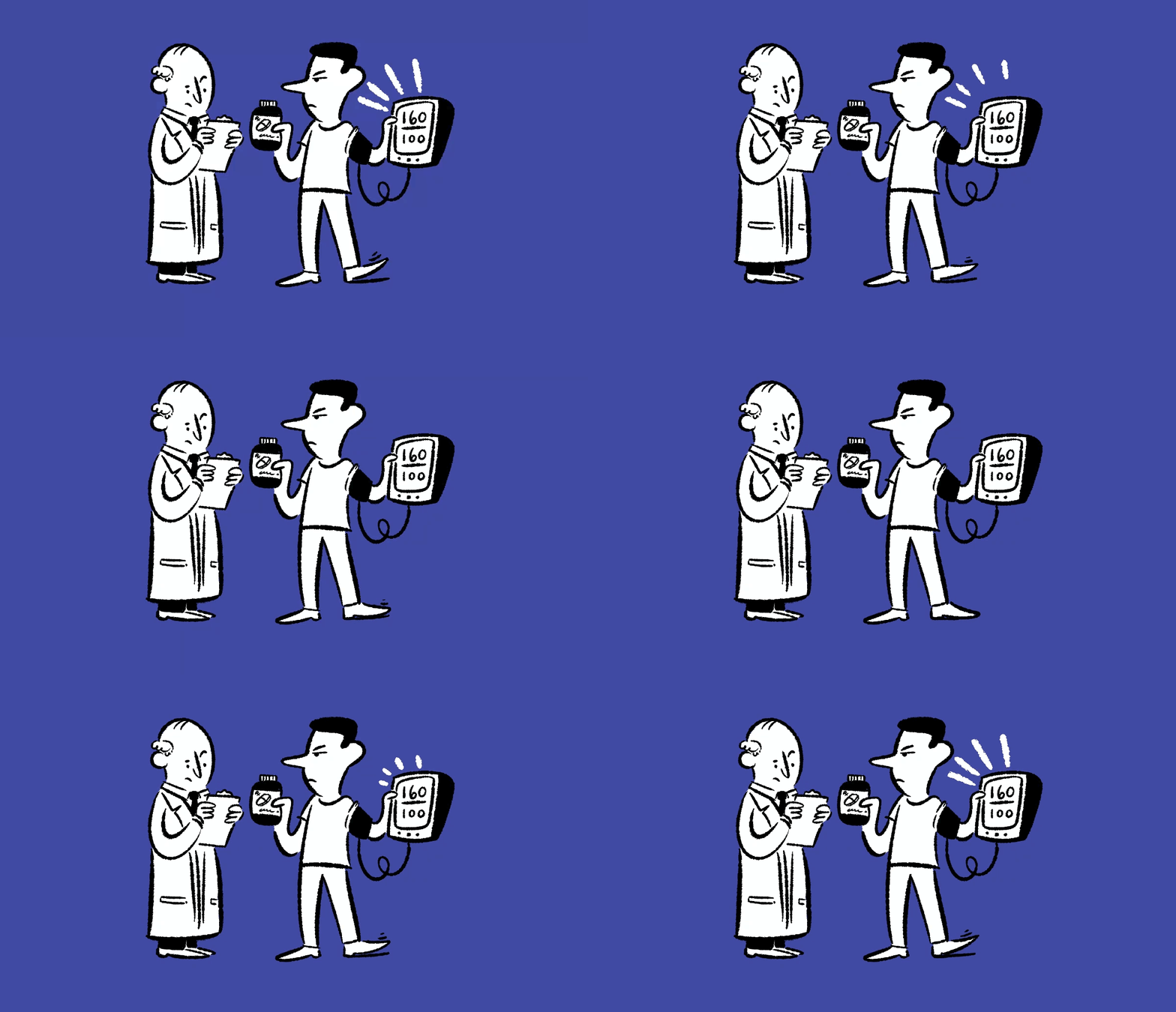
My blood pressure drugs aren’t working. What can I do to get my blood pressure to normal levels?
If you’re taking blood pressure medicine and your numbers are still high, it’s easy to wonder whether you’ll just have to live with hypertension. I don’t want you to make that assumption. There’s a lot we can do to bring it under control.
More Ways to Benefit
- Related Benefit 1
- Related Benefit 2
- Related Benefit 3
- Related Benefit 4
- Related Benefit 5
The first thing to know is that high blood pressure is extremely common. The latest figures from the Centers for Disease Control and Prevention show that nearly half of U.S. adults have hypertension, and only about 23 percent of them have their blood pressure under control. A normal blood pressure reading varies from person to person, and your doctor will advise you on what’s healthiest for you based on your medical history. But generally speaking, a normal blood pressure reading is less than 120 for systolic (the upper number) and less than 80 for diastolic (the bottom number).
If you have high blood pressure, it means the constant and excessive force of your blood is pushing against your artery walls. The result can be damaging over time, harming not only your blood vessels but also your heart, brain, kidneys and eyes. High blood pressure that isn’t treated can lead to a heart attack or stroke, so I’m really glad you want to get your hypertension under control.
Now let’s look at the research. A 2022 study of U.S. adults with treated but uncontrolled hypertension found that nearly 43 percent were taking only one blood pressure medication. For some people, the answer may be adding a second medication that works differently, rather than simply increasing the dose of the first. But before adding another pill or changing the one you’re taking, it’s a good idea to examine what might be pushing your blood pressure up in the first place.
For instance, are you eating a lot of salt? Sodium can have a significant effect on blood pressure, especially if you’re not getting enough potassium. Restaurant meals, packaged and processed foods, canned soups and deli meats may contain more sodium than you may realize.
I also want you to consider alcohol and other possible factors. Drinking too much can raise blood pressure, and even moderate alcohol intake can become an issue. So can being inactive, carrying excess weight and having untreated sleep apnea. If any of those conditions apply to you, addressing them may improve your blood pressure without requiring another medication or make your existing medication work even better.
Exercise, in particular, really helps. A 2026 analysis of studies found that many types of physical activity — including yoga, tai chi, aerobic exercise, high-intensity interval training and isometric exercise — effectively reduced blood pressure. The researchers found that even small amounts of exercise helped lower blood pressure, and more exercise yielded greater benefits.
You might also consider doing wall sits several times a week. A 2023 study found that just three sessions of wall sits or other isometric exercises (in which you contract your muscles and hold them in place) three times a week could lead to significant reductions in blood pressure. (Read more about this study, and watch a video to see how to do wall sits and other isometric exercises.)
And please consider every medication you’re taking, and not just prescriptions. Ibuprofen, naproxen and other NSAIDs can raise blood pressure, as can decongestants such as pseudoephedrine. Some antidepressants can interfere with hypertension control, and supplements such as St. John’s wort have also been linked to increased blood pressure. (For a more comprehensive list, read Medications and Supplements to Avoid if You Have High Blood Pressure.) It could be that your blood pressure medication is doing its job, but something else is pushing your numbers in the opposite direction.

While we’re on the subject of medications, most physicians share the motto “Start low and go slow.” That’s because we don’t want to bring down blood pressure too quickly and cause a side effect called orthostatic hypotension, or periods of low blood pressure. Most doctors will start patients on medication from the ACE inhibitor family. These are common, generic, inexpensive and effective medications. Sometimes we need to add a diuretic.
Another possibility is that your blood pressure may not be consistently high. Blood pressure naturally rises and falls during the day. Sometimes people become anxious when their pressure is checked, especially at the doctor’s office. Others see one high reading and assume their medication has stopped working. I suggest you keep a record of multiple readings so your health care professional can look at your average. It will help distinguish genuinely uncontrolled hypertension from temporary elevations or white coat hypertension.
While it’s highly unusual, resistant hypertension is another possible factor. It occurs when blood pressure remains high despite treatment with three different types of medications and a diuretic, or with four or more medications. In this case, doctors will test for secondary causes and other risk factors such as chronic kidney disease.
Most importantly, don’t stop or change your medication on your own. Your doctor may need to adjust the dose, switch medications or combine two or three drugs. The goal isn’t to give you another pill; it’s to understand why your blood pressure is high and bring it down safely.
You shouldn’t assume that if one medication isn’t working, you’re stuck with high blood pressure. There are medications we can adjust, different combinations we can try and lifestyle changes you can make. Please keep working with your doctor until you find an approach that safely and effectively controls your blood pressure.

AARP Membership
Join AARP for only $15 per year with automatic renewal. Get instant access to members-only products and hundreds of benefits, a free second membership, and a subscription to AARP The Magazine.
You Might Also Like
AARP Smart Guide to a Healthy Heart
Easy, expert-endorsed ideas to help you care for your heart
Heart Health Secrets from a Cardiologist
Keep your ticker in great shape as you age
Understanding Heartbeat Flutters and Skips
Heartbeat flutters? Understand causes and when to see a doctor