AARP Hearing Center































What Can I Do About Belly Fat?
Why your waistline expands with age, and the best ways to fight it
4-minute read

James Yates
Why am I getting more belly fat as I get older?
If you’ve noticed that your pants are getting tighter around your middle, there’s a very good reason. It’s because the body can change its composition. This is a real and expected part of aging, and it happens to both women and men.
More Ways to Benefit
- Related Benefit 1
- Related Benefit 2
- Related Benefit 3
- Related Benefit 4
- Related Benefit 5
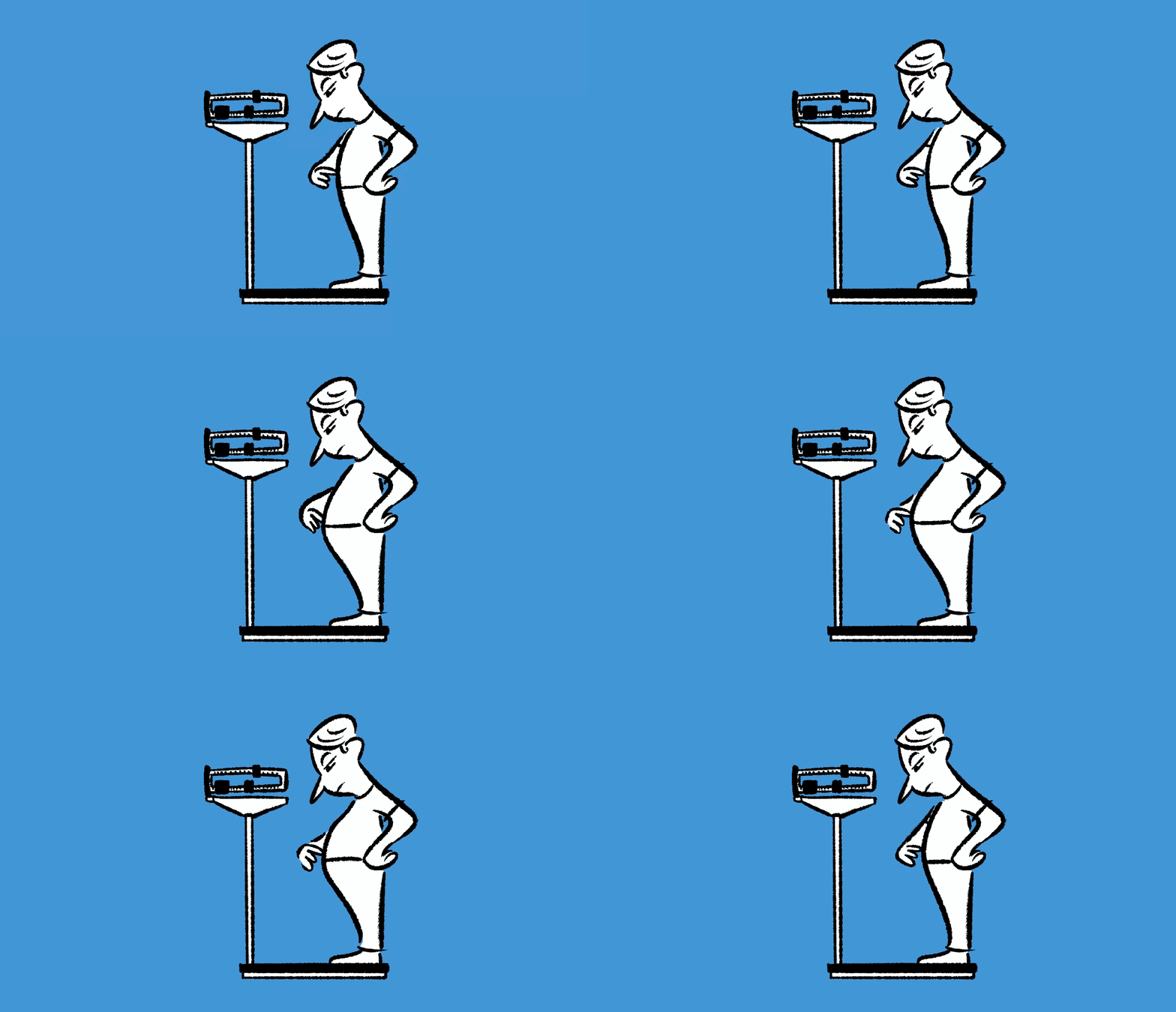
As we get older, we tend to lose some muscle and gain some fat. So even though your scale may register the same number, the proportions underneath that number can be very different. Muscle is denser and takes up less space per pound than fat, so replacing some muscle with fat can make your waist larger. And sometimes as we age, we can gain belly fat even if our weight remains stable.
Or you may see the weight creeping up as you have to loosen your belt a notch or two.
Where your body stores fat is another change that matters. When you’re younger, fat tends to be stored more around the hips and limbs. With age, more of it may accumulate around the abdomen. Some of this is related to changing hormone levels, including estrogen in women and testosterone in men.
Shifts in insulin sensitivity can also play a role. As the body becomes less responsive to insulin, the pancreas may have to produce more of it to keep blood sugar within range. This extra insulin promotes fat storage, and, in turn, the excess belly fat can lead to further sensitivity. Increasing abdominal fat and insulin resistance become part of the cluster of metabolic changes known as metabolic syndrome.
And not all belly fat is the same. Some of the fat in your abdomen is subcutaneous. That’s the kind of fat you can pinch. Some is visceral fat, which lies deeper in the abdomen around internal organs. Visceral fat is metabolically active and is associated with a higher risk of type 2 diabetes and cardiovascular disease. That’s why I pay attention to my patients’ waist circumference, not just the number on the scale.
Sleep can enter the picture, too. Research has linked poor sleep with greater visceral fat, even when total body fat doesn’t differ. In one study, people with poor sleep quality had more visceral fat than those with better sleep quality. And a 2023 study of more than 5,000 U.S. adults found that shorter sleep duration was linked to greater amounts of visceral fat. Those studies show that there’s an association, though not proof that poor sleep causes an accumulation of belly fat.
But I have encouraging news for you. Added tummy fat isn’t simply something you have to accept. One of the more useful things you can do is resistance or strength training. A 2021 systematic review and meta-analysis of 34 studies involving 2,285 people found that resistance training helped reduce visceral fat, including among middle-aged and older adults. Lifting weights or doing other exercises that challenge your muscles helps counter age-related muscle loss. You don’t want to abandon aerobic exercises like walking, cycling, swimming or other activities that raise your heart rate. It’s not only important for cardiovascular health, it can also help reduce abdominal fat.
That’s not all you can do. I would make sure you’re also eating enough protein while emphasizing that you eat minimally processed foods and limit excess refined carbohydrates and alcohol.
A growing waistline is worth discussing with your health care provider, particularly if the change is substantial or accompanied by other symptoms. Your doctor may want to check your blood pressure, blood sugar and other metabolic measures.
Belly fat may increase your risk of diabetes, kidney and heart disease. These risks can also be addressed by your physician.
Finally, don’t let your new so-called “muffin top” or “beer belly” frighten you unnecessarily. Your waistline may be changing, but that doesn’t mean you’re powerless to reverse its direction. Building and preserving muscle, staying active, eating well and getting adequate sleep may help control belly fat and protect your health. Remember, any sudden change in your body, including your tummy size, should be taken seriously rather than assuming it’s simply aging. Have your doctor check it out.

AARP Membership
Join AARP for only $15 per year with automatic renewal. Get instant access to members-only products and hundreds of benefits, a free second membership, and a subscription to AARP The Magazine.

You Might Also Like
Guide to Maintaining Strength as You Age
Tips for staying strong and independent as you ageHow to Do the Number One Exercise for Belly Fat
How to relieve back pain, improve posture and balance and make your belly fat healthier
AARP Smart Guide to Limited-Mobility Fitness
Great ways to get moving, even when it’s challenging