



AARP Hearing Center
































































Josie Norton
About 1 in 8 Americans uses GLP-1 drugs for diabetes, weight loss and other chronic conditions, including semaglutide (Ozempic, Wegovy) or tirzepatide (Mounjaro, Zepbound). But many eventually stop — often because of high costs, insurance challenges or uncomfortable side effects. And recent research published in JAMA Network Open suggests older adults are more likely than their younger peers to discontinue these popular medications.
Going off a GLP-1 — short for glucagon-like peptide-1 receptor agonist — isn’t without potential consequences. Studies show that stopping the medication can sometimes, but not always, cause a person’s weight to creep back up, along with blood pressure, blood sugar and cholesterol levels.
Here’s a look at what recent research shows can happen when you stop taking a GLP-1, plus expert tips on how to maintain the health benefits that many people reap from the medications.
GLP-1s 101
GLP-1s are a class of drugs first approved by the Food and Drug Administration in 2005 to manage blood sugar in people with type 2 diabetes. A few more recent versions have gained popularity for their weight loss effects.
Studies have shown that these medications can offer other health benefits in some people with and without diabetes, such as lowering cardiovascular risks and treating sleep apnea. The medications are also linked to improvements in chronic kidney disease and, potentially, for brain health.
Weight gain
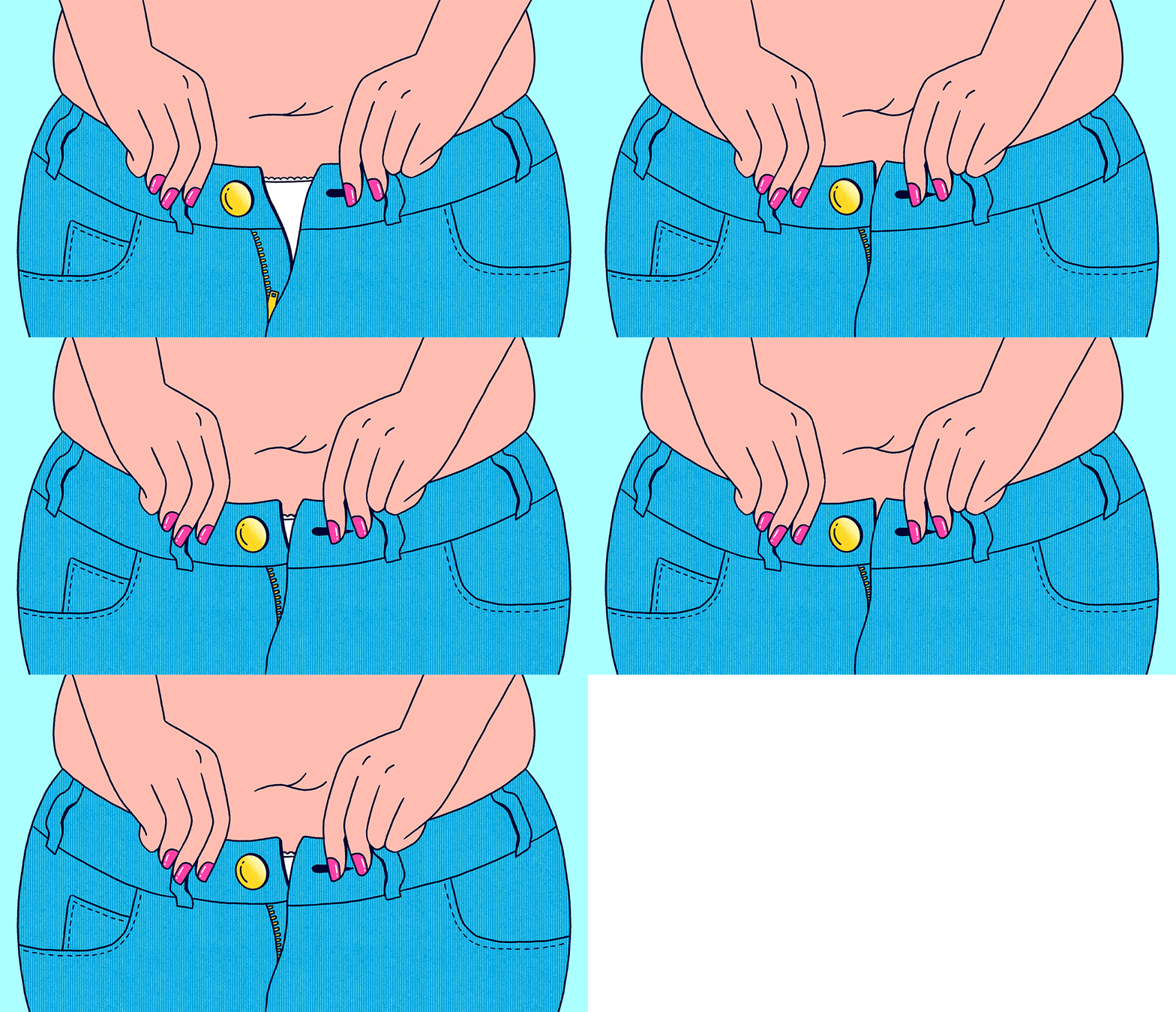
Regaining weight is one side effect that people experience when they stop taking a GLP-1. A big reason: The medications reduce food noise — ongoing thoughts about food — and food cravings, which can return when you stop the medication, says Dr. Mitch Biermann, an internal and obesity medicine specialist at San Diego’s Scripps Clinic.
A study published Nov. 24, 2025, in JAMA Internal Medicine followed 308 people taking tirzepatide for 36 weeks. Participants were randomized to either continue the medication or switch to a placebo for another 52 weeks.
Among those who no longer took the GLP-1, 82 percent who lost weight regained 25 percent or more of their initial weight loss within a year of stopping the drug. The greater the weight regain, the more likely participants were to lose improvements in cholesterol and blood sugar levels.
As part of a 2021 clinical trial published in JAMA, 741 people received weekly semaglutide injections, adjusted their diets and exercised for 20 weeks. That helped them lose about 11 percent of their weight, on average. When one-third of participants were randomized to take a placebo instead of semaglutide for 48 months, they regained 7 percent of the weight they lost.
The same trend was seen in a 2021 study published in The New England Journal of Medicine. After taking semaglutide for 68 weeks, the average participant lost more than 15 percent of their body weight. "As part of an extension trial published a year later, participants regained an average of two-thirds of the weight they shed within 12 months of discontinuing the drug." Within 12 months of discontinuing the drug, participants regained an average of two-thirds of the weight they shed.
Some evidence shows that people regain lost weight even when they don’t stop the medications. A 2017 report in The Lancet followed 1,505 people on liraglutide (Victoza, Saxenda) and 749 on a placebo. A year later, those on the medication lost about 8 percent of their weight. Three years later, they regained some of that weight but maintained 6 percent weight loss.


More From AARP
FDA Approves New Weight Loss Pill
There’s an oral GLP-1 option for people looking to shed pounds
Is Acetaminophen Safe for Older Adults?
Understand the benefits and risks of taking acetaminophen, also known as Tylenol.
AI Unlocks New Uses for Old Medications
The technology is repurposing existing medications to create new treatments for a variety of diseases