
AARP Hearing Center























.jpg?anchor=17,8&q=80&color=ffffffff&u=8wsalu&w=375 "Fall Movie Preview 2026")
















.png?crop=true&anchor=0,26&color=ffffffff&u=ucxnmh&w=2048&h=1177&credit=Marco%2520Baccioli)


Schizophrenia: How Caregivers Can Find Resilience
Families face fear and stigma, yet recovery from schizophrenia is possible through treatment and support


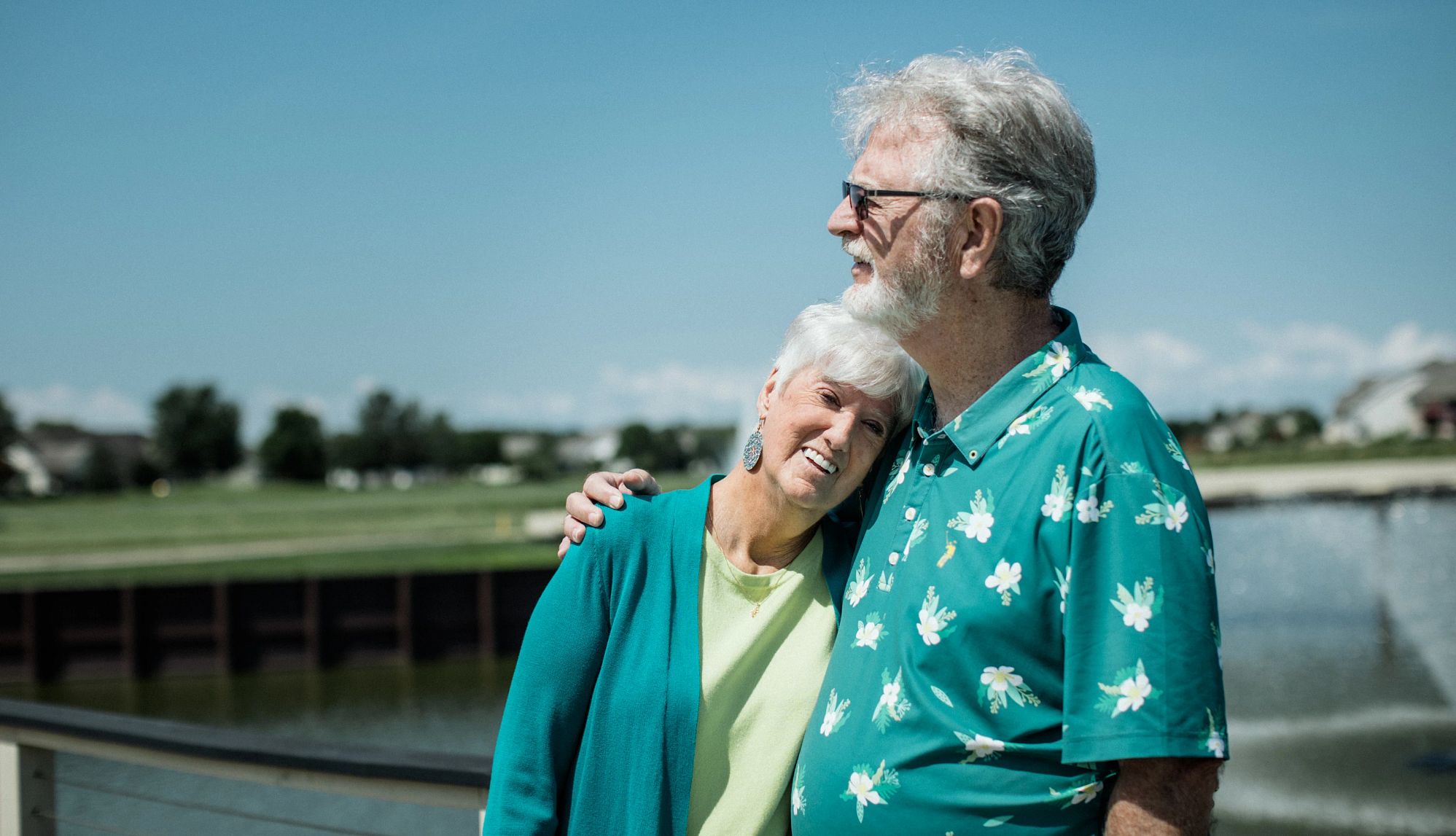
Since his schizophrenia diagnosis, Daniel Laitman (right) has relied on the steady support of his parents, Robert and Ann, as he builds an independent life.
Shuran Huang
Key takeaways
- Schizophrenia often blindsides families, striking young adults who were thriving academically and socially and causing them to interpret reality abnormally.
- For many families, a schizophrenia diagnosis can feel overwhelming, bringing uncertainty about what comes next.
- While the illness is severe and unpredictable, recovery and meaningful lives are possible with sustained treatment, support and a shift from despair to action-focused caregiving.
Shortly after Daniel Laitman began hearing voices and slipping out of touch with reality at age 15, he was diagnosed with schizophrenia. His parents, Robert and Ann Laitman, both doctors, were thrust into the same confusion, fear and heartbreak endured by many families facing a mental health crisis. “We had all the ordinary dreams parents have for their child. When schizophrenia emerged, those dreams initially seemed to diminish,” says Robert.
Told by a psychiatrist to lower their expectations for their son’s future, the couple instead threw themselves into understanding the illness by talking to experts and reading medical literature, searching for more effective treatments and learning how to support their son through years of unpredictable setbacks. Their persistence paid off. Daniel, now 35, went on to graduate with honors from college, has built a career as a stand-up comic in New York City and recently got married. “Daniel still hears voices at times, but he understands what they are and usually does not let the voices interfere with his life,” says Robert. “Our son taught us that schizophrenia does not erase a person’s potential.”
More Ways to Benefit
- Related Benefit 1
- Related Benefit 2
- Related Benefit 3
- Related Benefit 4
- Related Benefit 5
Beyond the voices of schizophrenia
Schizophrenia is often associated with hearing voices and delusions. These are the so-called “positive symptoms,” but the illness is far more complex and can disrupt nearly every aspect of daily life for the estimated 3 million American adults living with the disorder. Along with cognitive problems such as confused thinking and poor concentration, most people also experience “negative symptoms,” such as lack of motivation and muted emotions. These symptoms often limit a person's ability to work. Without proper treatment, the risks of homelessness, substance use and suicide are significantly elevated. Initial warning signs can be subtle and easy to misread, often beginning in late adolescence or early adulthood. Symptoms tend to appear sooner in young men. Withdrawal from friends, declining school or work performance, isolation and personality changes are often mistaken for normal adolescence, depression, ADHD or substance use.

Daniel was diagnosed with schizophrenia at age 15 after experiencing hallucinations. Now 35, Daniel has built a career as a stand-up comic in New York City and recently got married.
Shuran Huang
“By the time families realize something more serious is happening, such as hallucinations, paranoia or a break from reality, many are already in crisis, which can delay treatment and worsen outcomes,” says Krissa Rouse, program manager of care initiatives at the national patient organization Schizophrenia & Psychosis Action Alliance in Alexandria, Virginia.
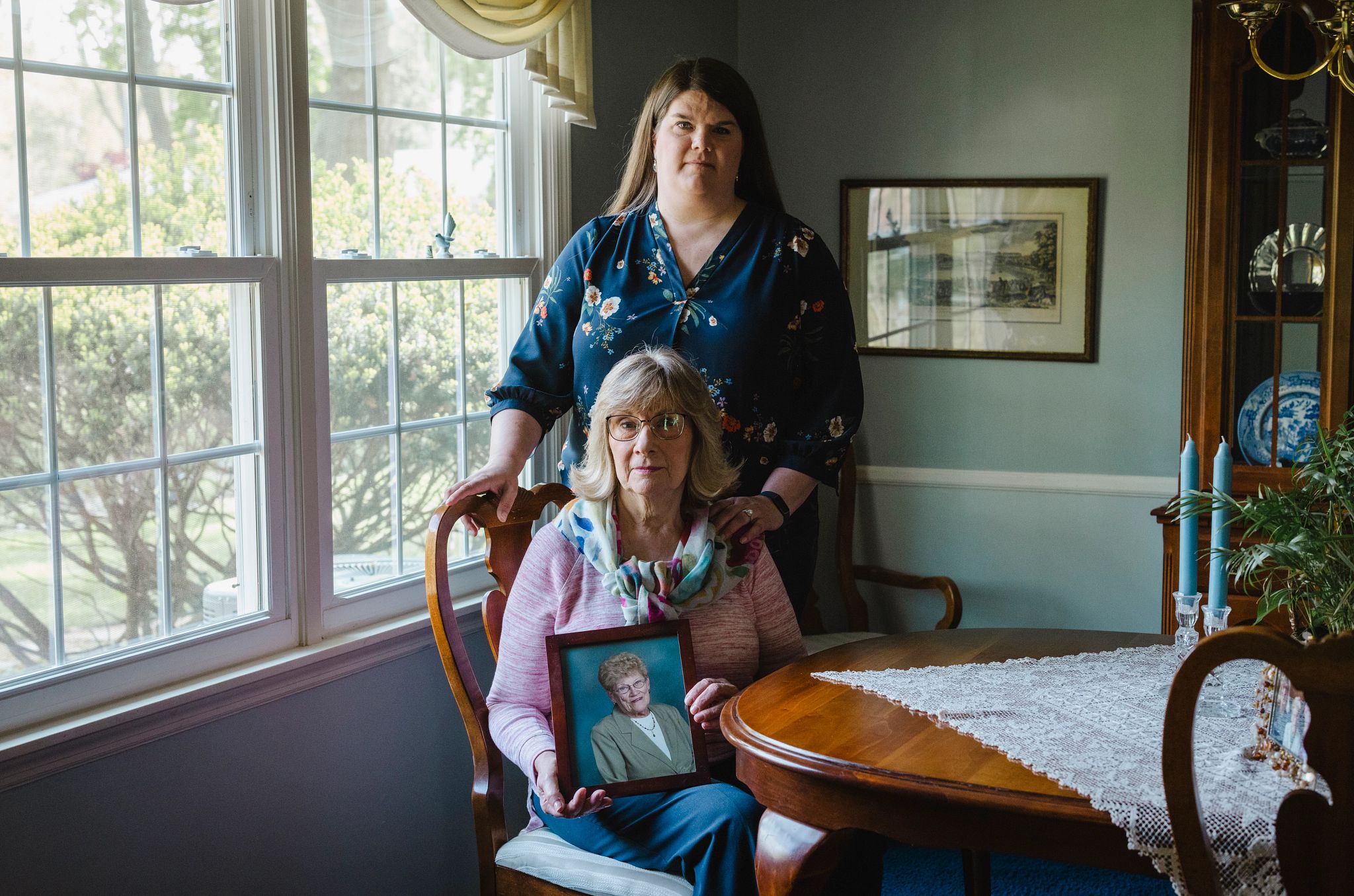
When schizophrenia emerges, families are often blindsided, says Kristan Kanyuch, 55, whose son, Will, was diagnosed in 2007 during his second semester at Johns Hopkins University. Along with her daughter, Dr. Nickole Moon, Kanyuch founded SeizingPsych, an organization that bridges the gap between clinical treatment and daily life by providing families with resources, including support groups, skill-building workshops and individualized coaching to reduce isolation and improve outcomes for the entire family.
“Many caregivers are stunned because symptoms frequently appear in young adults who had been thriving in school, sports and relationships,” adds Kanyuch. The key to successful treatment of schizophrenia is early intervention. Prolonged untreated psychosis is associated with worse cognitive and functional outcomes over time. However, delayed treatment is common, with research showing that people go months or even years with symptoms of psychosis before treatment. Motivated by his son's struggle to find the right treatment regimen, Robert Laitman slowly transitioned from practicing nephrology to behavioral medicine out of a need to find a better way to treat his son. Some families from his practice started approaching him about their struggles with unmanaged mental health disorders and that prompted him to further focus on learning about psychosis treatment.
Laitman often prescribes the antipsychotic medication clozapine (Clozaril), a drug some doctors reserve as a last option. Research shows clozapine can be highly effective for people with treatment-resistant schizophrenia, and the FDA has approved it for that purpose.
According to Laitman, the medication is often underused because of concerns about rare but serious side effects, such as a dangerous drop in white blood cells as well as heart inflammation, and many physicians are reluctant to prescribe something that requires such intensive monitoring. He says that when the drug is started slowly, carefully monitored and supported by a structured treatment plan, clozapine can be much safer and easier to tolerate than many people believe.
Enduring caregiver strain
Schizophrenia rarely affects just one person. “When schizophrenia moves in, the whole family is impacted,” says Rouse. Parents become caregivers overnight, juggling psychiatric appointments, medication management, relapse and financial strain.
John Turturro, the actor best known for his roles in films like Do the Right Thing and The Big Lebowski, grew up with an older brother who struggled with schizophrenia for many years until his death in 2022. He has shared his personal struggle supporting his brother Ralph, acknowledging the multiple demands placed on caregivers when a loved one faces chronic mental illness.
In a candid interview, Turturro told AARP: “No one pats you on the back when you do this. But we had lots of fun encounters, and we were incredibly close. I was amazed that, after he could do all these terrible things to me, I still found things about him that were endearing. You’d see the person under the illness. You had to go through the bad stuff to get to the good stuff.”
Families shoulder one of the largest and least visible burdens of schizophrenia, according to a recent report published in JAMA Psychiatry. The study estimated that caregivers provide an average of 36 hours of unpaid care each week, helping loved ones with housing, transportation, appointments, crisis response and daily living needs. Many reduce work hours, leave jobs or absorb major out-of-pocket costs for housing, medical needs and emergencies.
Overall, schizophrenia carried an estimated $366.8 billion societal cost in the U.S. in 2024. Researchers found that caregiver-related costs accounted for a significant portion of that burden. Unpaid caregiving time alone accounted for $104.6 billion.
Gary Labovich, who lives in northern Virginia, understands firsthand the emotional and financial toll of caring for a loved one with schizophrenia. Despite a successful career in management consulting, he and his wife absorbed significant unexpected costs supporting their 34-year-old son, who lives in Southern California, through years of instability.
Labovich describes a recurring cycle of crisis in which his son would go missing, prompting repeated cross-country flights to locate him, check on his safety or help him get back into care. At times, he says, the family also enlisted outside help, including hiring private assistance to help track down his son when he was homeless or difficult to find: “We lived from crisis to crisis, never knowing where he was or what we would find when we got there.” With family support, he is doing much better, working part-time as an Uber driver, living in a group home and consistently taking an injectable antipsychotic medication.

Finding hope in the shadows
Despite the challenges and unpredictability of schizophrenia, the outlook today is more hopeful than in the past. The Schizophrenia & Psychosis Action Alliance has developed caregiver support groups, educational toolkits and resources that guide families from the first symptoms through long-term recovery. In her private practice, SZ Support House in Maryland, Rouse offers mental health therapy specifically for families, since schizophrenia affects the entire household, not just the diagnosed individual.
Rouse and others offer practical advice to help caregivers cope and provide effective support.
Join Our Fight for Caregivers
Here’s how you can help:
- Sign up to become part of AARP’s online advocacy network and help family caregivers get the support they need.
- Find out more about how we’re fighting for you every day in Congress and across the country.
- AARP is your fierce defender on the issues that matter to people 50-plus. Become a member or renew your membership today.
How to handle “no.” When a loved one with schizophrenia refuses treatment, Rouse urges caregivers to move away from confrontation and toward structured communication rooted in an approach called LEAP: Listen, empathize, agree and partner. Developed by psychologist Xavier Amador, the LEAP approach is designed to help families stay connected even when insight into illness is absent. Caregivers are encouraged to first listen to the person’s experience, validate the emotion behind it and then look for points of agreement around immediate, practical needs. “This is not about endorsing false beliefs,” says Rouse. “You don’t have to agree that the FBI is after them, but agree that it sounds really hard and scary, and focus on what can help right now, like getting sleep.”
Prepare for treatment side effects. Kanyuch points out that medication side effects, particularly weight gain, are among the difficult trade-offs families face when it comes to treating schizophrenia. Her son recently lost 55 of the more than 100 pounds he'd put on after his diagnosis. “I know clozapine has been a lifesaver for him, but he still has a level of illness, and there are a lot of challenges with medications,” says Kanyuch.
It’s okay to grieve. Laitman acknowledges that a schizophrenia diagnosis can be overwhelming for parents and families and says that an initial period of grief and sadness is both natural and expected. “You can grieve,” he says, “but then get to work and don’t give up your dreams.” He emphasizes that while the course of illness may change a family’s expectations, the possibility of achieving stability and meaningful recovery is real. “A fulfilling life filled with purpose and meaning is a very achievable goal.”
Reality check. Kanyuch describes “reality checking” as a key strategy she uses to help her son, Will, challenge delusional thoughts and stay grounded. It involves calmly walking through his fears, testing them against facts and repeating the process until he can reassess what he’s experiencing. “You can go through the whole reality check process and even get to the point where he says, ‘I understand there’s not really a reason for me to be concerned,’ ” she says. Still, she notes the relief is often temporary, requiring repetition and reinforcement to help him stay anchored in reality.
Coping with stress. When a loved one is having a more difficult day, a caregiver’s first instinct might be to ask whether they took their medication as prescribed. According to Tracy Hicks, president of Texas Nurse Practitioners and a caregiver herself, it’s important to shift the response. “Instead of going straight to medication, ask, ‘How can I help you?’” she says. “Sometimes, saying nothing at first and just listening helps. Caregivers need to be mindful of how they present their energy and expectations, recognizing that not everything is within their loved one’s control, and adjusting their response to be supportive instead of reactive.”
Repetition is key. Kanyuch says repeating steps is a critical support tool in her son’s daily life, helping him follow through on basic tasks. Because schizophrenia affects his ability to sequence and retain information, she relies on breaking instructions into single steps, especially for routines like paying rent or completing tasks. “If I don’t repeat it, it doesn’t happen,” she says. Over time, she hopes, repetition will help certain behaviors become more automatic. “Progress may come unevenly, but you can’t abandon hope.”

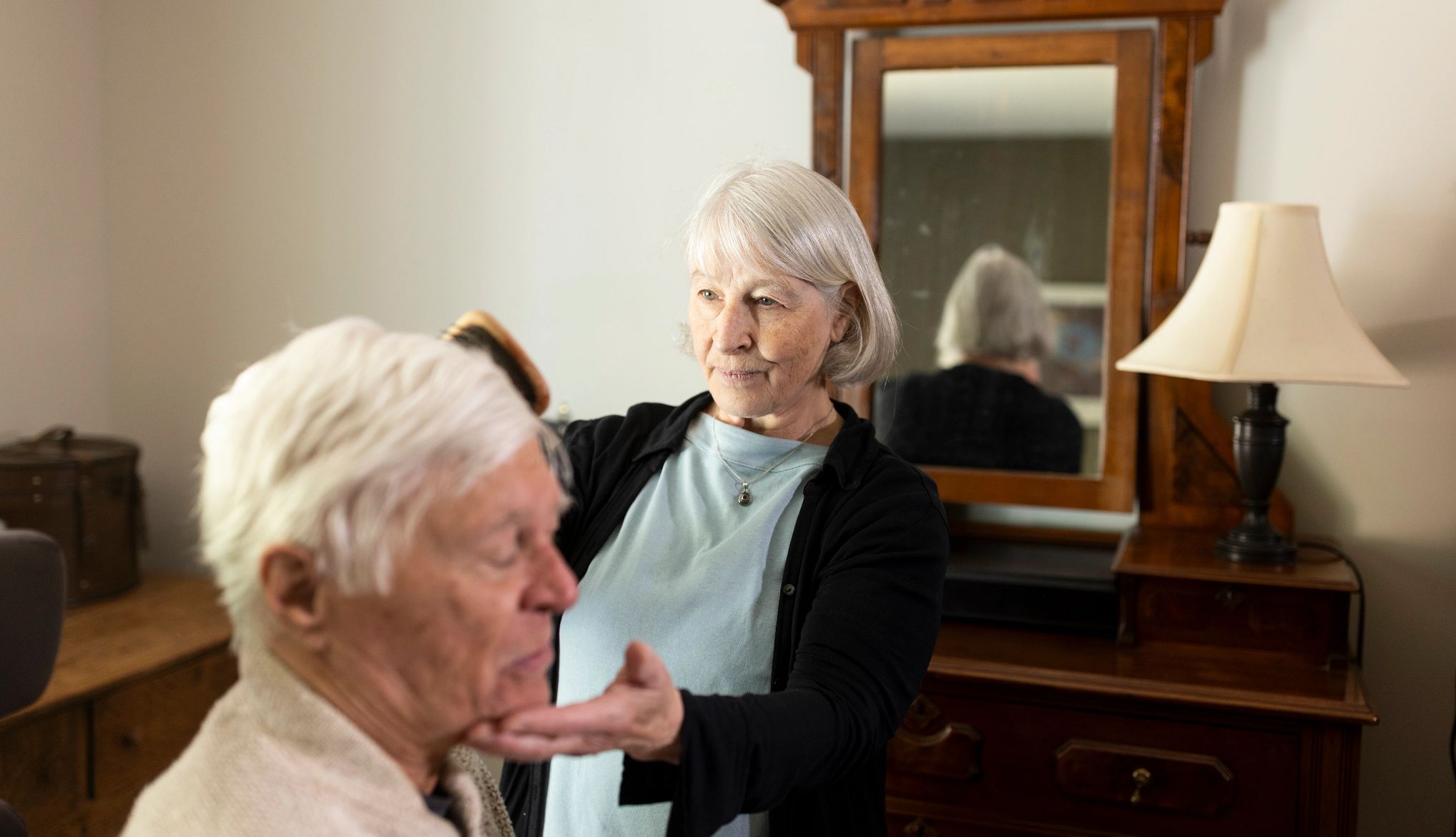
Robert and Ann Laitman responded to schizophrenia by immersing themselves in education and an overwhelming commitment to help their son, Daniel, explore his potential.
Shuran Huang

AARP Membership
Join AARP for only $15 per year with automatic renewal. Get instant access to members-only products and hundreds of benefits, a free second membership, and a subscription to AARP The Magazine.
More From AARP
Caregiving for Loved Ones With ALS
Ways to provide support for this progressive disease
Clinical Trials Depend on Caregivers
Caregivers enable trial participation with coordination and support
Rare Disease in Midlife: A Guide for Caregivers
Caring through the uncertainty of rare disease