
AARP Hearing Center























.jpg?anchor=17,8&q=80&color=ffffffff&u=8wsalu&w=375 "Fall Movie Preview 2026")




















Former AARP editor John Waggoner contributed to this article.

Flexible Work
AARP Skills Builder
Flexible Work
ON-DEMAND WEBINARS
Drug Prices
Social Security
Medicare & Medicaid
Caregiving
LONG-TERM CARE
State Guides
Prepare to Care Guides
End of Life
Home Technology
Get Happier
POSSIBILITIES OF AI
Relationships
Home Health
Leaving AARP.org Website
You are now leaving AARP.org and going to a website that is not operated by AARP. A different privacy policy and terms of service will apply.
BrandAmp by AARP provides the opportunity for our highly vetted marketing partners to share their expert knowledge, insights and storytelling with loyal and engaged readers like you. Each piece of paid content is created in collaboration with the disclosed advertiser and AARP Media Sales’ content development team.
BrandAmp by AARP content is designed to uphold AARP standards of excellence and inspire conversation. Only advertisers who have gone through the strictest reviews are cleared to bring their message directly to members using all of AARP media properties (AARP.org, social media, email newsletters and our print publications). Our pledge to members is work with brands whose products and services are of value to the 50+ audience; and are committed to the type of compelling, informative, entertaining and useful content members are accustomed to seeing within AARP media properties.
You are now leaving AARP.org and going to a website that is not operated by AARP. A different privacy policy and terms of service will apply.

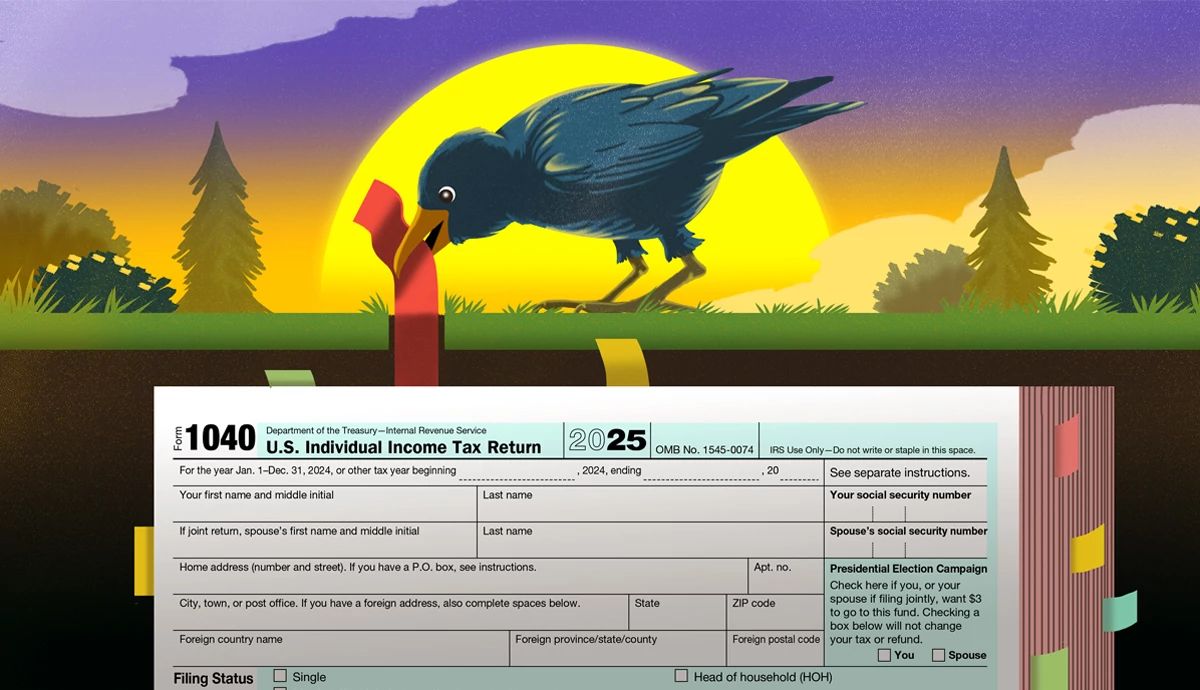
The new year brings a blank calendar to start filling with significant events. Birthdays. Anniversaries. Vacations. And, of course, the deadlines the IRS sets for filing and paying federal income taxes.
Bear in mind that we are filing taxes for income earned in 2025, even though we file those forms in 2026. To keep confusion to a minimum, tax experts refer to 2025 as the tax year and 2026 as the filing year. Most, but not all, of the deadlines in 2026 refer to tax year 2025.
In 2020 and 2021, the tax return deadline got pushed back by the COVID-19 pandemic. And in years when April 15 falls on a weekend, such as 2023, the deadline gets pushed back to the next business day. In 2026, though, we’ll face the traditional Tax Day deadline: April 15.
Don’t blow the deadline. The penalty for late filing is 5 percent of the amount due each month, maxing out at 25 percent per year. Interest also accrues, at a rate of 3 percent, compounding daily.
If you must file late, you can get an automatic extension by filing IRS Form 4868. The automatic extension gives you until Oct. 15 to file your return.
Some taxpayers affected by recent natural disasters get extra time to file. For example, Washington state residents who were affected by severe flooding in December 2025 have until May 1, 2026, to file their federal tax returns.
The IRS will begin accepting and processing new returns on Jan. 26. The agency says most taxpayers will get their refunds within 21 days of when they file electronically, barring any issues with processing their tax returns. Electronic filing, when linked with direct deposit, is the fastest way to get a refund. The average 2025 tax refund was $3,167.
Self-employed people must pay estimated taxes every quarter. The first payment for the 2026 tax year is due April 15, with other payments due June 15, Sept. 15 and Jan. 15, 2027.
Need help with your tax return? Try AARP's tax calculator.
Visit AARP Foundation Tax-Aide to learn more about free tax prep services by 30,000 volunteers nationwide.
Former AARP editor John Waggoner contributed to this article.

More From AARP