25. Add ambient noise
It’s often noise that disrupts sleep: outside traffic or sirens, barking dogs or apartment neighbors. To drown out the racket, consider investing in a white noise machine (which starts around $15) or using a relaxing sleep-sounds app. White noise is recommended, but try other sonic hues, such as pink, brown or black. Multiple apps offer both free and subscription-based options featuring sounds that may induce slumber. White Noise Deep Sleep Sounds (iOS and Android) includes cricket, rain and ocean sounds. The app myNoise (iOS and Android) generates ambient sounds. And BetterSleep (iOS and Android) features bedtime stories and meditations along with multiple sounds.
26. Find your pain points
Recognize what’s interrupting your z’s. Are you too hot? Is the room too bright? Is the bedding scratching you? Are your neck and back uncomfortable? Jot the sources of your interruptions down. Then systematically address these issues via trial and error. Introduce softer sheets or lighter, more breathable bedding. Sample a new style of pillow. Try dialing back your room temperature. Add blackout shades to the window or remove other sources of light. “Look at your sleep environment and notice what disturbs you,” Velilla says. “If something wakes you in the middle of the night, write it down and then see if you can find a product or solution for it.”
27. Save your bed for sleep and sex
If you read, work, scroll or watch TV in bed, you may inadvertently be sabotaging an easy path to sleep. Roth and Dutt agree: Your bed should be reserved only for sleep and intimacy. When you don’t draw the line, your “mind starts to associate the bed as a place where you do other things, as opposed to a place where you sleep,” Dutt says. If your sleep quality has been suffering, move your pre-sleep wind-down routine to the living room, and head to the bedroom only when you feel ready to close your eyes.
28. Don’t go to bed if you’re not sleepy
Building on this idea, don’t head to bed — even if it is your usual bedtime — if you’re not feeling ready for sleep. “Never get into bed with the hope that you’re going to become sleepy. That’s Sleep 101. It’s the most foundational recommendation I give,” Roth says. “We don’t go stand in front of the refrigerator with the hope that we’re going to get hungry. Rather, we feel hungry, and then we act on it. It should be the same with sleep: You should feel sleepy and act on it.” If you’re struggling to feel sleepy, try meditating or taking a soothing bath, then head to bed when you feel ready to doze off.
29. Take a warm bath
“There is some truth to the old adage that a warm bath or shower may facilitate better sleep,” Troxel says. “One of the key signals to our brain that it is time for sleep is a drop in core body temperature, and a warm bath or shower is not only relaxing and a good way to unwind before bedtime, but when you get out of the warm water, it causes a drop in core body temperature, which sends a signal to the brain that it is time for sleep.”
30. Try a weighted blanket
Many have found extra comfort in using a weighted blanket, which can contain glass beads, plastic pellets, ball bearings, rice, grain, beans or sand. They weigh 5 to 30 pounds and cost $25 or more, depending on weight, fabric type, size and filler material. “Weighted blankets provide a gentle, even pressure and a sensation of deep touch, which sometimes helps improve sleep, especially in people with sensory issues,” Afolabi-Brown says. “It has been found to decrease restlessness in people struggling to stay still during sleep.”
31. Try a glass of warm milk
Though the evidence about the use of warm milk to optimize sleep is limited and mixed, there are some indications of benefits, according to Afolabi-Brown. “Milk contains tryptophan, an amino acid involved in serotonin and melatonin production, both of which play key roles in regulating the sleep-wake cycle,” she says. “The warmth of the milk may also have a comforting and soothing effect.” Don’t overdo or you'll be getting up in the night to go to the bathroom.
32. Give yourself an off-ramp to sleep
Try the approach known as the “power-down hour,” which recommends 20 minutes doing tasks before bed; 20 minutes on brushing teeth, flossing and other hygiene; then 20 minutes doing something relaxing, like reading or listening to a mindfulness app. Singh calls this building a “ramp” to sleep — or, in another analogy, he likens it to arriving at the airport early for your flight. “Sleep is not a switch,” he says. “It’s like a flight. If you have a 10 p.m. flight, you’re not arriving at the airport at 10 p.m.”
33. Put the electronics away
Blue light from electronics before bedtime can interfere with your body’s natural circadian rhythm and sleep cycles. “For people very sensitive to blue light — which is essentially the same wavelength that’s emitted by the sun — light from TVs and phones and tablets can kind of trick the brain into thinking that it’s still daytime,” Dutt says. If you’re having trouble sleeping well, he recommends cutting off your screen time at least 2 hours before bedtime.
34. Watch a rerun
If you simply can’t give up your presleep screen habit, Dietch and Roth offer a loophole: Gravitate toward reruns on late-night TV. “It’s more about the function of the behavior. You probably don’t want to scroll Facebook or Twitter or a news site before bed, because that’s going to get you revved up,” Dietch says. “But if you’re playing sudoku or watching reruns of Friends, I don’t have a problem with it.” Roth agrees: “I’m absolutely OK with reruns of old TV shows, because it’s like comfort food,” she says.
35. Find alternatives to doomscrolling
Overindulging on news and social media apps before bed is one of the worst things you can do if a good night’s sleep is your goal. “How we view the world impacts how we sleep and our mental health,” says Malow. Put away your phone an hour before bed and opt instead for activities like meditation, working a puzzle or journaling.
36. Explore a sleep-inducing podcast
Autonomous Sensory Meridian Response (ASMR), a pleasurable, tingling sensation stemming from sounds like whispers or tapping, can lead to increased feelings of calm and relaxation, which could aid in falling asleep, studies have shown. Podcasts focused on triggering ASMR often feature calm and gentle narration to “shift listeners’ attention away from external noise as well as their own intrusive, alerting thoughts, to make it easier to fall asleep,” says Craig Richard, a professor of physiology at Shenandoah University School of Pharmacy and ASMR expert. (His TED Talk about ASMR has been viewed more than 2 million times.)
Find ASMR-friendly podcasts that promote falling asleep by searching for terms like “relaxing,” “sleep stories” or “sleep podcasts” on any podcast platform, Richard suggests. Some of his favorites include Calm History, Sleep With Me and Relax With Slow Norwegian.
37. Schedule anxious thoughts
If you’re a person whose thoughts tend to run crazy, carve out time earlier in your day to write them down or act on them. “I call it scheduled worry time,” Roth says. By addressing your mental checklist earlier in the evening, you’ll feel more proactive because you can still address or tend to some of them (clothes moved to the dryer, check). If you’re having trouble shutting off spiraling thoughts, get up and do something. Read for a few minutes. Do some stretching. Listen to a sleep app. Redirect your mind elsewhere until you feel ready for sleep. “People often ask me, ‘How do I turn off my brain when I get into bed?’” Roth says. “I flip that and say, ‘Don’t get into bed if your brain is doing that.’ If your mind is racing, it means you weren’t sleepy enough to get into bed.”
38. Keep Fido and Fifi off the bed
Roughly 46 percent of pet owners admit to sharing a bed with their pets, according to the American Academy of Sleep Medicine. In truth, there are both pros and cons to letting your pets sleep with you. While having your dog or cat close by may be a comfort, bed-sharing with them can affect your ability to get quality sleep. A 2024 study by researchers at Trinity College in Connecticut found that people who co-sleep with pets experience poorer sleep quality and higher rates of insomnia than those who keep their beds pet-free. Sleep experts like Troxel recommend you compromise by giving pets their own separate, comfortable sleeping space in your bedroom, so your bed stays a human-only sleep sanctuary.
WHEN YOU’RE STRUGGLING
39. Recognize shifting sleep patterns
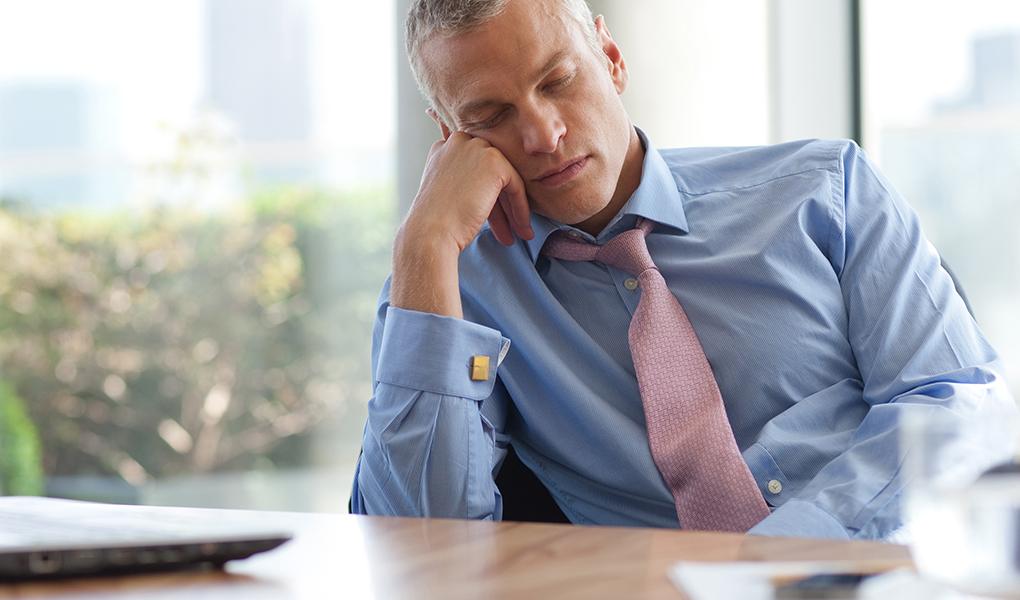
“People tend to have 2 to 3 percent less deep sleep per decade [of age],” Benjamin says. “Plus, as people get older, they tend to take longer to fall asleep.” Some sleep pattern shifts are normal, but if you frequently feel tired or sleepy during the day, take steps to regain control of your sleep rhythms. “You should make sleep health part of your routine conversations with your physician at your annual wellness checkups,” Singh says.
40. Get checked for sleep apnea
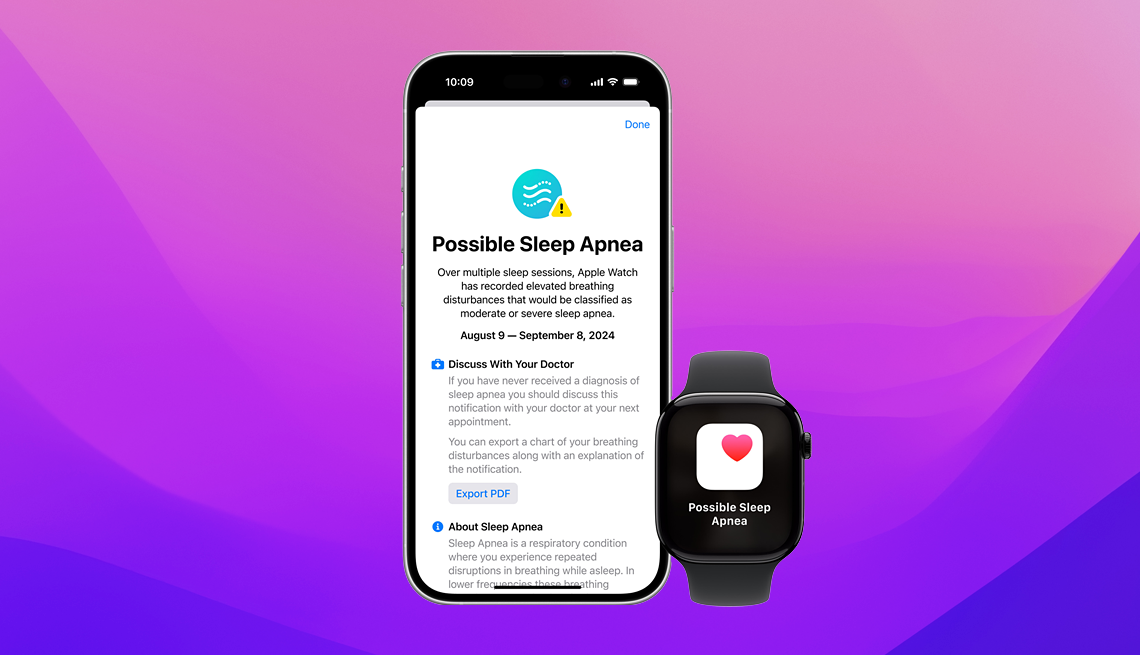
If you snore loudly or gasp for air, ask your doctor if you could have sleep apnea, a potentially serious disorder that disrupts breathing. “Not everyone who snores has sleep apnea, but it’s a pretty good indicator,” Dutt says. Though obstructive sleep apnea commonly affects men and those with a high body mass index, anyone can have it, Roth says. Your physician may send you to a lab for an overnight sleep test or order an at-home sleep apnea test as a first step in screening you for the condition. Don’t let embarrassment prevent you from seeking an evaluation. Left untreated, sleep apnea can lead to a host of health problems, including diabetes, stroke and heart attacks.
41. Research sleep apnea treatment options
If you’re diagnosed with obstructive sleep apnea, talk with your physician about available treatments, which, along with proven, longstanding CPAP machines, now also include the FDA-approved implants Inspire and Genio. These newer devices treat sleep apnea by sending mild electrical impulses to the hypoglossal nerve, which controls the tongue, to keep your airways open while you sleep.
For now, Pristas does not advise his patients to forego their CPAP for an implant, particularly if the CPAP is working for them. “[The implant] is something you’re putting in your body, and you have to be sure that you want to go down that road,” he says. Pristas expects the FDA to approve new oral medications for the treatment of sleep apnea, as these drugs are currently in the final stages of clinical trials, though it will likely be years before they hit the market. Pristas also cautioned that any medication can bring along side effects that are often less intolerable as we age, like glaucoma, heart arrhythmias and prostate issues.
For other effective treatments beyond the CPAP, consider consulting with a qualified dentist. The FDA has cleared more than 200 oral devices to treat sleep apnea, and research has shown that oral dental appliances can be an effective first-line treatment for some patients. Oral devices vary in style, including some that open airways by bringing the lower jaw forward and others that reposition the tongue, so it’s critical to work with a qualified specialist — someone vetted through the American Academy of Dental Sleep Medicine — who can help select the type of appliance that will work best for each patient, says Kevin Postol, DDS, who treats patients with sleep apnea and TMJ in greater St. Louis and serves as president of the American Academy of Dental Sleep Medicine.
42. Time your medications
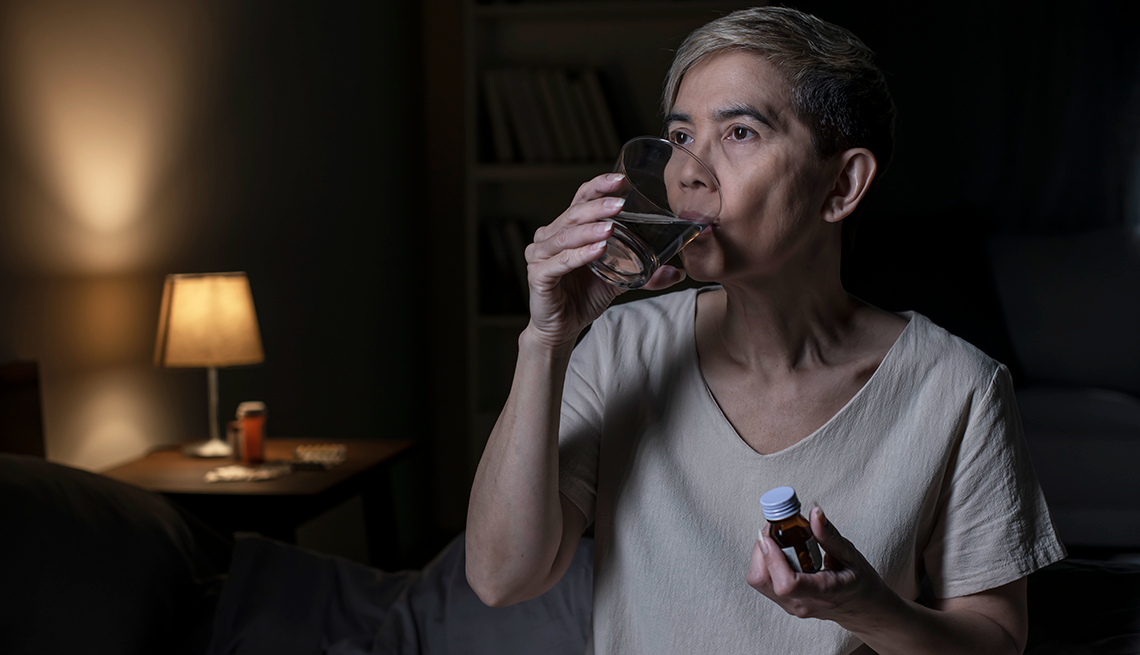
The timing of your prescriptions and supplements can affect your sleep. Some, such as diuretics for blood pressure, can lead to more nighttime trips to the bathroom, says Dr. Karl Doghramji, director of the Jefferson Sleep Disorders Center in Philadelphia. Others, including antidepressant SSRIs (selective serotonin reuptake inhibitors), can energize or sedate. Ask your doctor about the best time to take your meds.
43. Don’t use antihistamines to sleep
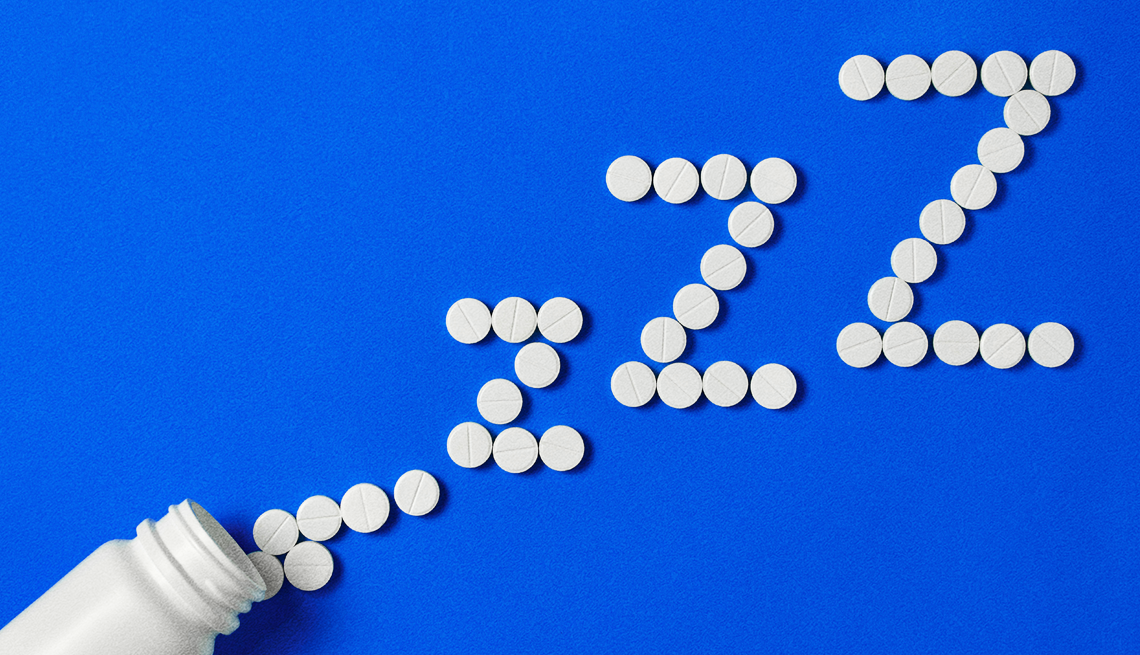
Although taking the antihistamine Benadryl or its generic, diphenhydramine, often has the welcome side effect of drowsiness, the American Academy of Sleep Medicine does not recommend relying on them as a sleep aid. Typically the sleep isn’t quality, and antihistamines’ other side effects — altered mental state, urinary retention, constipation and dry mouth — can lead to more problems.
44. Look closely at sleep supplements
Don’t take melatonin, magnesium, ashwagandha or other herbal, nutritional or hormonal supplements marketed as sleep aids without talking to your doctor first. While such products are widely available over the counter and may help some sleep, they aren’t entirely without risk.
The American Academy of Sleep Medicine has recommended caution around the use of melatonin, pointing to research — including one 2025 study from the American Heart Association— suggesting that long-term melatonin use can lead to increased risk for heart problems. Though some studies suggest supplements like magnesium and ashwagandha may aid in sleep in the short-term, there’s currently not enough scientific evidence to establish their long-term safety and efficacy, says Weiss. Finally, because the purity and quality of over-the-counter supplements can vary widely, be sure to reach for a reputable brand that is US Pharmacopeia (USP)-verified if you opt to use one occasionally, suggests Malow. (Look for a USP-verified logo on the bottle.)
45. Be aware of marijuana’s side effects
Some studies have suggested that products with tetrahydrocannabinol, or THC — the main psychoactive compound in marijuana, or cannabis — can help some people fall asleep faster, on a short-term basis. However, available research suggests that with long-term and/or heavy use of cannabis products, sleep quality may actually decline. That’s because long-term use of THC may disrupt deep sleep stages, leading to less efficient sleep and more awakenings overnight for some people. One 2025 study published in the journal Sleep, for example, found that participants who used cannabis daily reported “more fragmented sleep,” including greater rates of disrupted sleep and lower sleep efficiency, than the non-cannabis users in the sample.
46. Understand CBD
Before using CBD gummies, CBD oils or other products with cannabidiol — a naturally occurring compound in cannabis that does not cause a high — discuss with your doctor. One 2025 study in the Journal of Clinical Sleep Medicine found that use of CBD “may have the potential to provide a safe and efficacious alternative to over-the-counter sleep aids.” But more long-term studies are needed, and using CBD is not without risk. Known side effects include nausea, fatigue and irritability, and CBD can also react negatively to some prescription drug regimens because it slows the liver’s ability to break down certain medications. Be sure to get the all-clear from your doctor before starting any form of CBD as a sleep aid.
47. Get your eyes checked
If you’re experiencing erratic sleep patterns, such as falling asleep early in the evening, cataracts could be the culprit. “Folks who have cataracts don’t get as much light coming into their eyes. So there’s not a strong signal to the brain that it’s still daylight out, and they may fall asleep a little earlier,” Pelayo explains. Get your eyes checked and consider cataract correction surgery if needed. Studies have shown that patients sleep better and have improved circadian rhythms after cataract surgery.
48. Be cautious about prescription sleep aids
Following guidelines set by the American Geriatrics Society, most physicians avoid prescribing sleep aids for patients over 65 because these drugs are associated with an increased risk for falls, which are especially dangerous for older adults, Dutt says.
Long-term use of prescription sleep aids has been linked to potential health side effects, including hallucinations, cardiovascular disease and an increased risk of cancer. Additionally, several recent studies have suggested that long-term use of sleep medications could elevate your risk of developing dementia. “If you find yourself reaching for these bottles every night, it’s time to have a talk with a professional,” Singh says.
49. Don’t just toss and turn
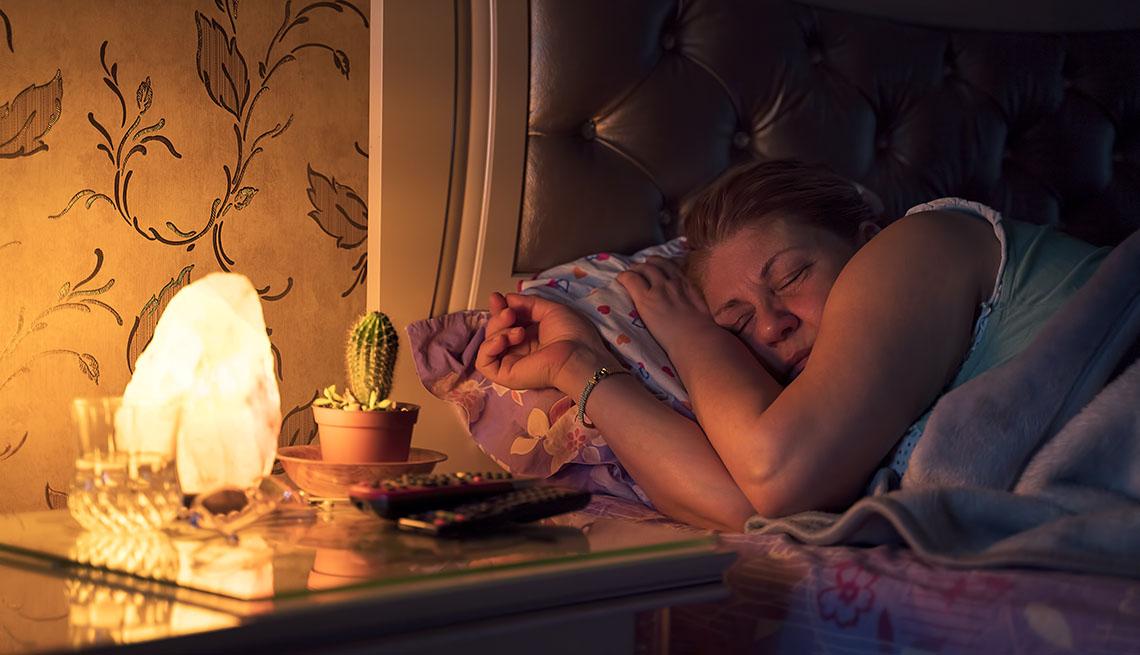
If you can’t sleep, don’t just lie there. Tossing and turning or staring anxiously at the clock will just make things worse. Do a mindless chore, such as folding clothes. Then, when you feel drowsy, go back to bed. “You want to avoid any time in bed that you’re not sleeping,” Dutt says.
50. Don’t try all the tips at once
Rather than following the current trend of “sleepmaxxing” — the process of adopting all the trending sleep hacks at once (think white noise machine, plus sleep mask, melatonin and so on) — try them one at a time so you can see which works best for you. Then you can see if pairing them improves your sleep even more.
51. Look at your daytime habits
Take a closer look at your daytime routine, starting with the quality of foods you’re eating and how much you’re moving during the day. “Sleep, exercise and diet are all interrelated,” Pristas says. Be sure to take steps throughout the day to support your mental health, whether that’s a walk outside during your lunch break or bricking out your phone after work to take a break from emails. “The way that we live our lives from the time that we wake up until we go to bed, those things are going to influence how well and how restorative our sleep is,” agrees Weiss.
52. Skip the mouth tape
While social media influencers praise this approach as a way of promoting nasal breathing as you sleep, you shouldn’t try mouth taping without guidance from your doctor. If you’re experiencing snoring and/or a dry mouth while you sleep — two main reasons people gravitate to mouth taping — you should note these symptoms and talk with a health professional to get tested for sleep apnea, Weiss says.
53. Don’t ‘bed-rot’
Another popular social media trend focuses on so-called “bed-rotting:” staying in bed all day to make up for a recent lack of sleep. “It’s that thought of, ‘Well, last night I only slept four hours, so now I’m going to spend 10 hours in bed today to compensate for that,’” says Weiss. But this combination of sleep deprivation and staying in bed — whether you sleep or not — all day is far harder on your body than staying on a regular sleep routine. “That inconsistency is worse,” Weiss says. “It creates a kind of social jet lag and forces your biological clock to work with multiple different times for wake-up and bedtime.”
54. Consider ‘sleep divorcing’
If you have a partner who keeps you up at night, consider alternative sleeping arrangements, Troxel says. That could mean separate beds or separate bedrooms. “While there is no evidence that a ‘sleep divorce’ can lead you to an actual divorce, there is strong evidence that sleepless nights can lead to relationship strife,” she says. “So, for your own health and the health of your relationship, be open to discussing the sleeping strategy that will work best for your partner and you.”
55. Remember that sleep is a skill
Take heart in knowing that you can improve your sleep quality. “It’s a skill to sleep well,” Roth says. “We can learn to get better at it.” Try not to get caught up in a cycle of frustration, which will make things worse. “Sleep is one of those things that the harder you try to grasp onto it, the more it can elude you,” Dietch says. Singh agrees: “If you have poor sleep, you start worrying about not sleeping well, and that begets more poor sleep. You have to break those rhythms.”
56. Find a tailored solution
Your neighbors swear by their white noise machine. Your brother-in-law insists an orthopedic pillow is the key to blissful sleep. Even the guy at the gym had an idea to share when you mentioned you’ve had trouble sleeping. You’ve likely heard them all. But be aware: Sleep routines that work for others may not work for you right away. Use trial and error to discover the wind-down activities and bedroom ambiance settings that best fit your own sleep style. “Sleep behaviors and sleep skills are not a one-size-fits-all thing. They’re very individual,” Roth says. “Sometimes the solution has to be very tailored to you and your own needs.”
57. Look at other health issues
Restless leg syndrome, which is more common in older adults and frequently occurs at night, could keep you from sleeping. Menopause, chronic pain, a stressful or traumatic experience, depression and more can all affect your sleep, and the root cause of insomnia may be one or many factors. If you’re experiencing difficulty sleeping, don’t dismiss the issue. The number of health conditions linked to poor or inadequate sleep is almost endless, with obesity, diabetes and heart disease topping the list. Your overall health depends on getting quality sleep, so talk to your primary care physician if you’ve experienced any recent changes in your life that might be affecting your slumber.
58. Advocate for answers
If you struggle with chronic insomnia or another sleep disorder such as sleep apnea, restless leg syndrome or narcolepsy, don’t put off seeking more advanced, professional help. Sleep specialists can steer you to an appropriate treatment. In the case of insomnia, cognitive behavioral therapy (CBT-I) is particularly effective. Studies have shown 50 to 75 percent of CBT-I participants experienced improved overall sleep quality after treatment. “It works amazingly well, and yet so many people don’t know about it,” Dietch says. To find someone trained in CBT-I, search for sleep psychologists or dedicated sleep clinics in your area.
Video: Find Your Best Sleep Position









































































You Might Also Like
Keep Your Memory Sharp
22 science-backed ways to growing a healthier, happier brain
Clean Your Home — Efficiently
Room by room, now’s the time to tackle that to-do list
Manage Seasonal Allergies
Achoo! How to understand and treat your symptoms