



AARP Hearing Center













































































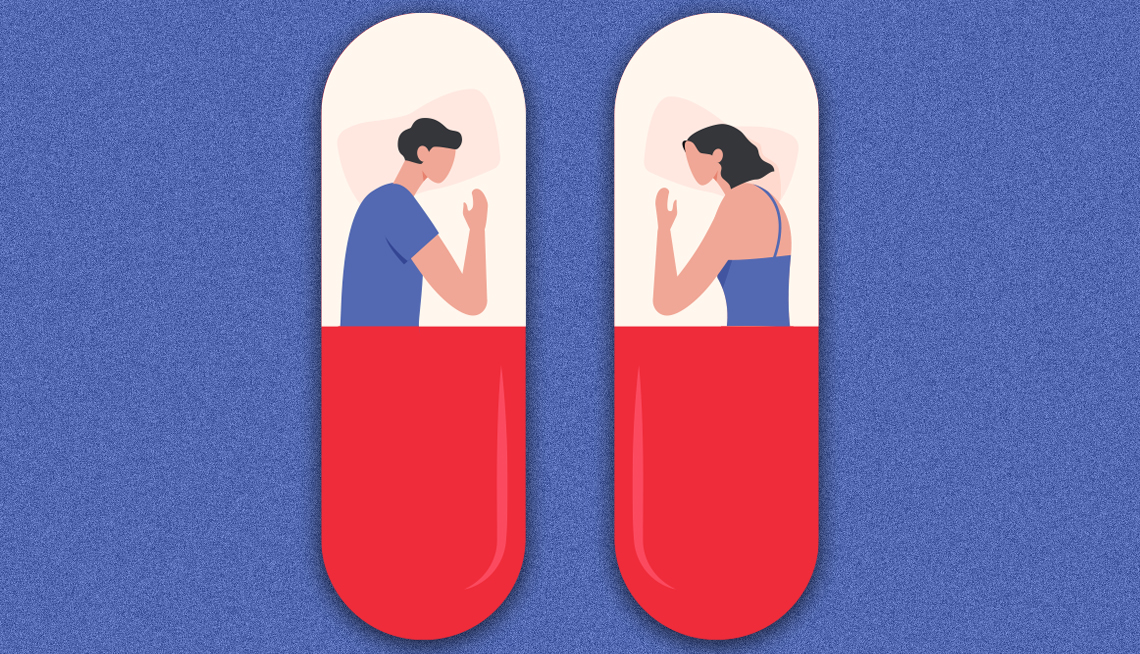


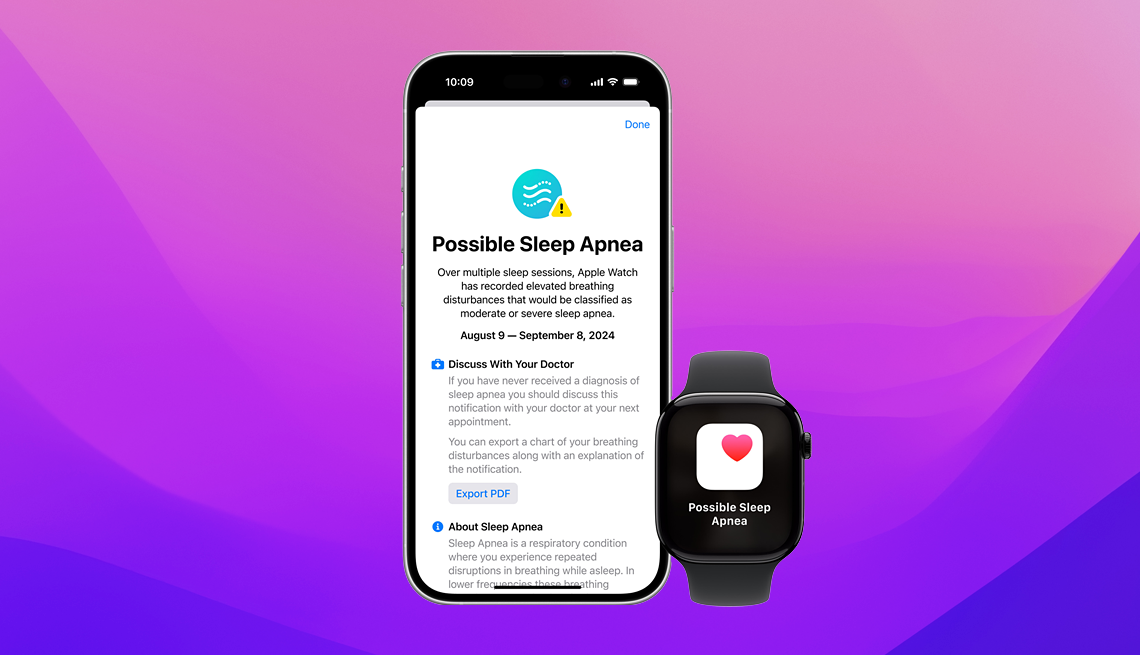



Photo Collage: AARP (Source: Shutterstock)
Just as our bodies and minds change throughout life, so do the medications we take. And while many prescriptions and over-the-counter drugs are important for treating illness and chronic conditions, some pills make it harder to fall asleep and stay asleep.
“We’re always weighing the side effects versus the benefit” of every drug, says Dr. Alex Dimitriu, who is double board-certified in psychiatry and sleep medicine and the founder of Menlo Park Psychiatry & Sleep Medicine in Menlo Park, California.
Insufficient sleep doesn’t just wreck your mind and mood the next day; it has been linked to a number of chronic health conditions, including type 2 diabetes, cardiovascular disease, obesity and depression. What’s more, lack of sleep can increase your risk of accidents and falls.
Fortunately, you don’t necessarily have to choose between treating your condition and a good night’s sleep. Here are 10 drugs that can interfere with your sleep and what you can do about it.
1. Cold and allergy decongestants
Class of medications: alpha-agonists; decongestants commonly used for runny nose and nasal congestion
Common names: phenylephrine (Sudafed PE), pseudoephedrine (Sudafed) and various other combinations. Always check the active ingredients on the product’s label.
How they affect sleep: These drugs increase heart rate and heart muscle contractions, which can stir up heart palpitations, anxiety, blood pressure and excitability that prevent sleep or deep sleep. Although less likely than oral decongestants to make you feel jittery, decongestant nasal sprays like oxymetazoline (Afrin) can do so too, keeping you awake. But other types of nasal sprays, including steroid sprays (Flunose, Nasonex), have not been linked to sleep problems in clinical trials.
What to do: Because decongestants can affect the heart, check with your doctor or pharmacist before reaching for one; an alternative such as a steroid nasal spray may be recommended. If you get the OK from your health care provider and then find you need a decongestant for more than seven days, or if your symptoms are worsening during use, contact your doctor to make sure there’s not another issue causing your symptoms, like an infection.
2. Asthma medications
Class of medications: short-acting beta-2 agonists (bronchodilators), commonly called “rescue” medications or inhalers for quick symptom relief
Common names: albuterol (Proventil HFA, ProAir, Ventolin HFA), levalbuterol (Xopenex), albuterol/ipratropium (Duoneb, Combivent)
How they affect sleep: Although many people with asthma have trouble sleeping, drug manufacturer data shows that only 1 to 3.1 percent of the users of these medications reported insomnia linked to these drugs. But other side effects — such as excitability, headache, heart palpitations and tremors — may be the bigger culprits for the sleep troubles these medications can cause, especially with frequent use.
What to do: If you use your rescue asthma inhaler or nebulizer more than twice a week and have trouble sleeping when you do, talk to your doctor about it and consider using a preventive medication or long-acting therapy.
3. Blood pressure medications
Class of medications and common names:
- Angiotensin-converting enzyme (ACE) inhibitors: benazepril (Lotensin), enalapril (Vasotec, Epaned), lisinopril (Prinivil,
- Beta-blockers: Propranolol (Inderal, InnoPranXL)), nadolol (CorGard), labetalol (Normodyne, Trandate), metoprolol (Lopressor, Toprol XL), sotalol (Betapace, Sorine, Sotylize) and carvedilol (Coreg) are all associated with sleep disturbances.
How they affect sleep:
- Beta-blockers can interfere with sleep by lowering your natural melatonin level, suppressing REM sleep and triggering vivid nightmares. In fact, a 2025 analysis in the Journal of Psychiatric Research found that beta-blocker use is linked to a 29 percent higher risk of sleep disturbances and poor sleep quality. Some of these drugs, such as metoprolol (Lopressor) and propranolol (Inderal XL), cross the blood-brain barrier, reducing sleep quality and causing you to wake up more often.
- ACE inhibitors do not directly cause insomnia, but some of their side effects — such as a dry, persistent cough or leg cramps — may affect sleep.
What to do: Because these medications protect your heart, kidneys and other organs, do not stop taking them without talking to your doctor. Your doctor may lower the dose, change your dosing schedule or recommend an alternative therapy. For example, the beta-blockers atenolol (Tenormin) and bisoprolol (Zebeta) are considered less likely to cause sleep disruptions than some other beta-blockers. Also, before trying melatonin to help you sleep, talk to your doctor to ensure it is safe to take with your other medications and medical conditions.


More on Sleep
Evaluating Melatonin's Role in Sleep
Plus, what you need to know about safety
Smart Sleep Tips for a Refreshing Morning
58 tips to help you fight those restless, endless nights and get the slumber you need.
Medications That May Make You Tired
Experts explain which common drugs are linked to fatigue and what to discuss with your doctor.
Recommended for You