



AARP Hearing Center

































































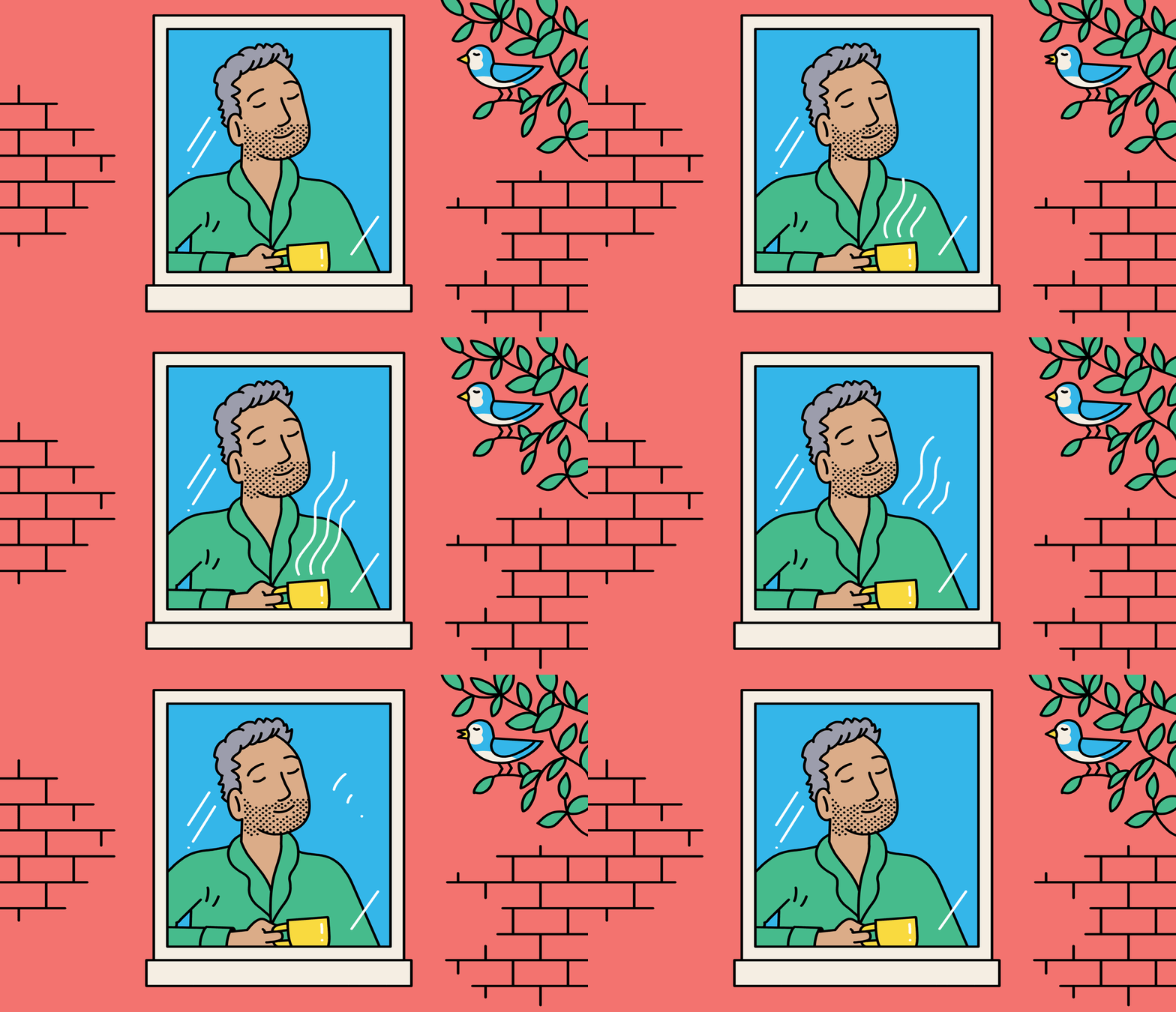
Getting off to a great start in the morning can positively influence your health and mood.
Sam Island
How we begin each morning can set the tone for the rest of our day. A sunrise routine that nourishes your body and eases you into daily life could significantly reduce stress, which is linked to a whole host of health problems in older adults.
“With stress, the body releases a lot of adrenaline and noradrenaline and other chemicals that are stimulants, and it makes us anxious, nervous, and [it’s] difficult to concentrate and be successful at things,” says Dr. Walter Gaman of Executive Medicine of Texas in Southlake, Texas.
A healthy morning routine also helps you figure out what you want to accomplish. This can be especially important for older adults who have retired and transitioned away from the familiar daily rhythms of the working world.
Here are 25 of the best ways to prepare for your day.
1. Don’t look at screens two hours before bed
Unwinding with a TV show or a movie before bed may be your nightly ritual, but experts recommend avoiding screens for at least two hours before bedtime. “The blue light from the screen messes with our melatonin production, and it can interrupt our sleep cycle,” says Robyn Culbertson, a physical therapist with the Medical University of South Carolina Outpatient Therapy Clinic at MUSC Health in Columbia, South Carolina. “People watch TV and scroll on their phone and then wonder why they’re tired the next day and didn’t sleep well,” says Gaman. To unwind a couple of hours before bed, listen to music or an audiobook instead.
2. Avoid too much alcohol before sleeping
For restful sleep, it’s important to minimize your alcohol intake. If you drink too much before bed, you can have a nervous system reaction when the alcohol is metabolized that can affect your gastrointestinal tract, says Dr. David D. Clarke, president of the Association for the Treatment of Neuroplastic Symptoms. Too much alcohol also makes you wake up to use the bathroom. Once you’re awake, it can be hard to go back to sleep because your system is activated by the withdrawal of alcohol. “Be kind to your system in the evening or at night so it has time to digest and process everything,” Clarke recommends.
3. Don’t overeat before going to sleep
Booze isn’t the only thing to avoid before bed. Eating a large meal at dinner, or eating right before hitting the sack, can cause heartburn that disrupts sleep, according to Harvard Health Publishing. (And some foods can be more problematic for sleep than others.) Additionally, when your belly is full from a late meal, you miss out on some of the morning muscle contractions that keep your gut healthy and typically happen on an empty stomach, says Clarke.
4. Don’t hydrate too late in the evening
It’s crucial to stay hydrated throughout the day to maintain good health, but the timing of your liquid consumption can impact your sleep. Culbertson recommends that you stop drinking fluids a few hours before bedtime to avoid constantly waking up to urinate. “Drink water throughout the day rather than waiting till the evening to get all your ounces in,” she says. “You don’t want to be drinking it all at the end of the day when you’re home, and then you’re up all night going to the bathroom.”
5. Sit quietly with your thoughts

Take 15 to 20 minutes in the morning to peacefully reflect on the day ahead.
Sam Island
Quiet reflection is an opportunity to let your mind wander. It’s also a great way to ease into the day. “Just sitting in a chair without distraction and reflecting upon life can provide comfort and grounding,” says Gaman, noting that 15 to 20 minutes should be sufficient. Reflection can also reduce stress and improve decision-making throughout the day, he adds. Gaman finds it helpful to marvel at nature while he’s relaxed and focused.
6. Check for sleep apnea
Snoring doesn’t just interfere with sleep. It often indicates a bigger problem. “If you snore at night ... there’s a good chance you have sleep apnea,” says Gaman. “If you have sleep apnea, you never get the refreshing REM [rapid eye movement] sleep, and you don’t sleep well.” Symptoms of sleep apnea include waking up gasping for air in the middle of the night and feeling tired all day. Gaman recommends talking with your physician about doing a sleep study.
7. Hydrate upon awakening
Drinking water when you wake up may not be the first thing that comes to mind, but it should be. “When you’re asleep, you’ve just done a third of your day without drinking anything, so the chances are when you wake up you’re going to be at the driest point of your day,” says Clarke. Each morning, both Gaman and Clarke drink water after waking up and before their first cup of coffee. Clarke says to bear in mind that people lose some of their sense of thirst as they age, making it easier to become dehydrated, Clarke says. “Aim to drink 16 ounces of water before drinking coffee to get hydrated,” Gaman recommends, adding that staying hydrated helps your joints, brain and entire body function better.


You Might Also Like
6 Top Health Tips to Live By
An internist and cardiologist gives his best advice, gleaned from decades in practice
25 Surprising Ways to Live Longer
Science-backed ways to extend life expectancy
What to Know Before Going to a Stretching Studio
Assisted stretching can improve mobility and flexibility — but is it worth the cost?