



AARP Hearing Center
































































Your BMI Calculator Results Guide: Overweight
Your BMI suggests you are overweight — explore these tips and resources


Photo Illustration: AARP; (Source: Getty Images)
Keep in mind that BMI has its limitations in predicting health risks based on weight, and recommendations vary depending on several variables. For instance, in individuals with lean muscle, a higher BMI may not pose additional health risks. But if you have a large waist size, you may face additional health risks even at a normal weight.
To get a better read on the health risks associated with your weight, your doctor may combine BMI with a waist circumference measurement called the waist-to-hip ratio — your waist measurement divided by hip measurement. If most of your fat is around your waist, rather than at your hips, you’re at higher risk for heart disease and type 2 diabetes. This risk increases with a waist size greater than 35 inches for women or greater than 40 inches for men.
Research shows waist-to-hip ratio may be a stronger predictor of an early death from any cause than BMI, with higher waist-to-hip ratios increasing the risk.
If your BMI falls in the overweight category and you have two or more risk factors for heart disease and related health conditions, losing weight is recommended. A weight loss of just 5 to 10 percent of your current weight will help lower your risk of developing diseases. A reasonable and safe rate of weight loss is around 1 pound per week.
Tips for people ages 50-plus in the overweight category
When it comes to weight loss, both what you eat and the amount you eat matter.
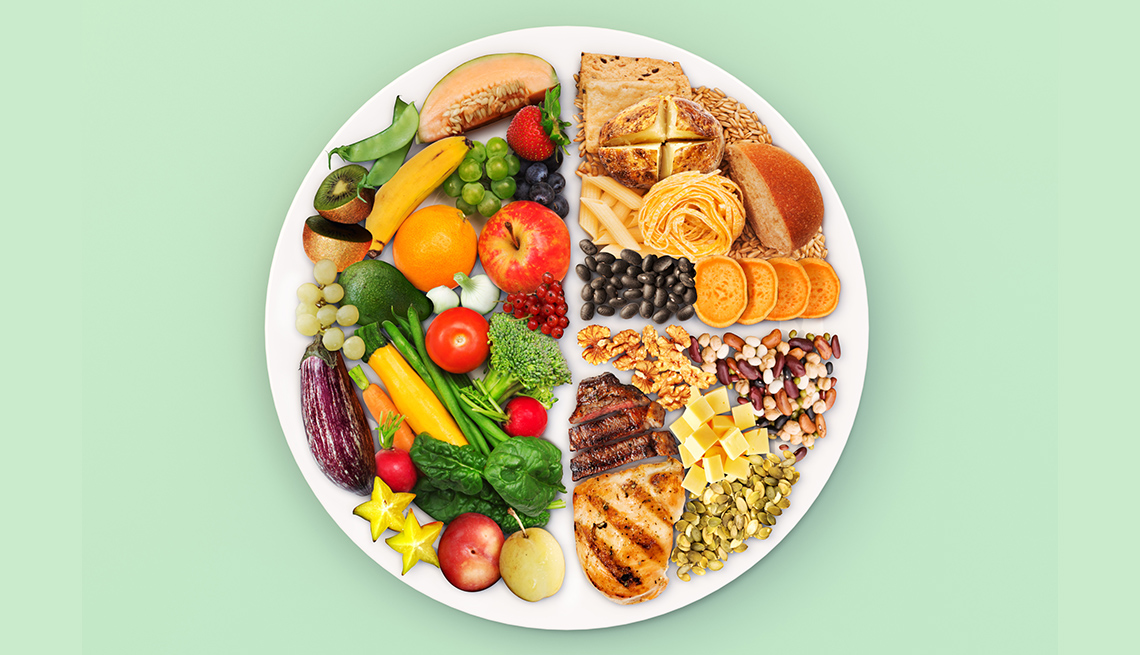
To help with portion control, consider using the MyPlate method, where you fill half your plate with vegetables and fruits, one-quarter with lean proteins and one-quarter with whole grains.
Another helpful tool is keeping a record of everything you eat, whether in a journal or using a dedicated app. Tracking can help you see associations you might not have noticed before. With those in mind, you can start to change your behavior and eat less.
There are a lot of different diets that can help you achieve weight loss. Just remember that diets that restrict certain food groups are difficult to stick with and lead to weight regain once the diet is stopped.
The most important thing is to choose an eating pattern you can stick with for the long run. Generally, a balanced diet that consists of vegetables, fruits, whole grains, healthy fats and lean proteins will help you feel more satiated and improve your overall health.
Eating less isn’t the only important factor for weight loss; exercise is also key. Start by incorporating more physical activity into your daily routine. For example, take the stairs instead of the elevator, or park your car farther away from the store entrance.
Once you become comfortable with increased activity, add a dedicated physical activity routine to help you gradually reach your goals. It’s recommended that older adults get 150 minutes per week of moderate-intensity aerobic activity — an activity that elevates your heart rate and makes you break a sweat, such as brisk walking — and at least two days of muscle-strengthening exercises (for example, squats with dumbbells).
Research suggests that regular weigh-ins can help you drop pounds. Try to pick one day of the week when you consistently weigh yourself, and do so first thing in the morning, before eating or drinking anything. Because your weight fluctuates from day to day, more frequent weigh-ins may not reflect your progress.
People who sleep less than seven hours a night have higher rates of obesity. Poor sleep can lead to increased food cravings and affect eating patterns. For better sleep, try turning off digital devices and TVs at least an hour before bedtime, and create a soothing evening ritual to help you prepare for sleep.
Your doctor can help you navigate your weight loss journey, so it’s important to talk to your doctor about your weight loss goals, factors that may be contributing to your weight and whether you might benefit from a weight loss medication.


Explore Health Articles


AARP Health Resources



AARP Membership — $15 for your first year when you sign up for Automatic Renewal
Get instant access to members-only products and hundreds of discounts, a free second membership, and a subscription to AARP the Magazine.