



AARP Hearing Center

































































James Yates
I dread winter because the darkness always brings me down. What can I do about it?
Winter’s darkness has a way of sneaking up on us. One morning you may notice the sun is still low in the sky, and by late afternoon it’s already slipping away. For some people, that shrinking window of daylight doesn’t just dim the sky, it dims their mood and energy as well as their motivation.
This is a description of the very real condition called seasonal affective disorder, or SAD. At its core, SAD is about light deprivation. Shorter days mean less exposure to the natural light that helps the regulate brain chemicals responsible for emotions, sleep and energy.
SAD is a form of depression with a predictable seasonal pattern, usually beginning in late fall or early winter and easing in spring. Symptoms often include low mood, daytime fatigue, difficulty concentrating, changes in appetite (especially cravings for sweets and carbohydrates), and a tendency to sleep more than usual. While SAD is more common in younger adults, I see it regularly in my older patients, for whom it’s sometimes missed or dismissed as “just aging” — which it is not.
Less sunlight reduces serotonin, a neurotransmitter often referred to as the “feel-good” brain chemical that’s essential for mood regulation. Reduced sunlight also boosts melatonin, a hormone that governs our sleep-wake cycle. Both of these actions make mood regulation harder. Another piece is vitamin D, which our bodies produce when sunlight hits our skin. It’s important because it supports the synthesis of serotonin. If we spend less time outdoors in winter, our vitamin D levels decrease, particularly in people over age 65. But there are ways to deal with the winter blues.

Ask Dr. Adam
Adam B. Rosenbluth, M.D., is an internist and cardiologist in New York City. Each Monday, he’ll weigh in on your questions about how to make your body work better for you. His AARP book will be published in 2027. Join in on the conversation on social media @dradamrosenbluth to learn to move the needle on your personal health in an achievable way.
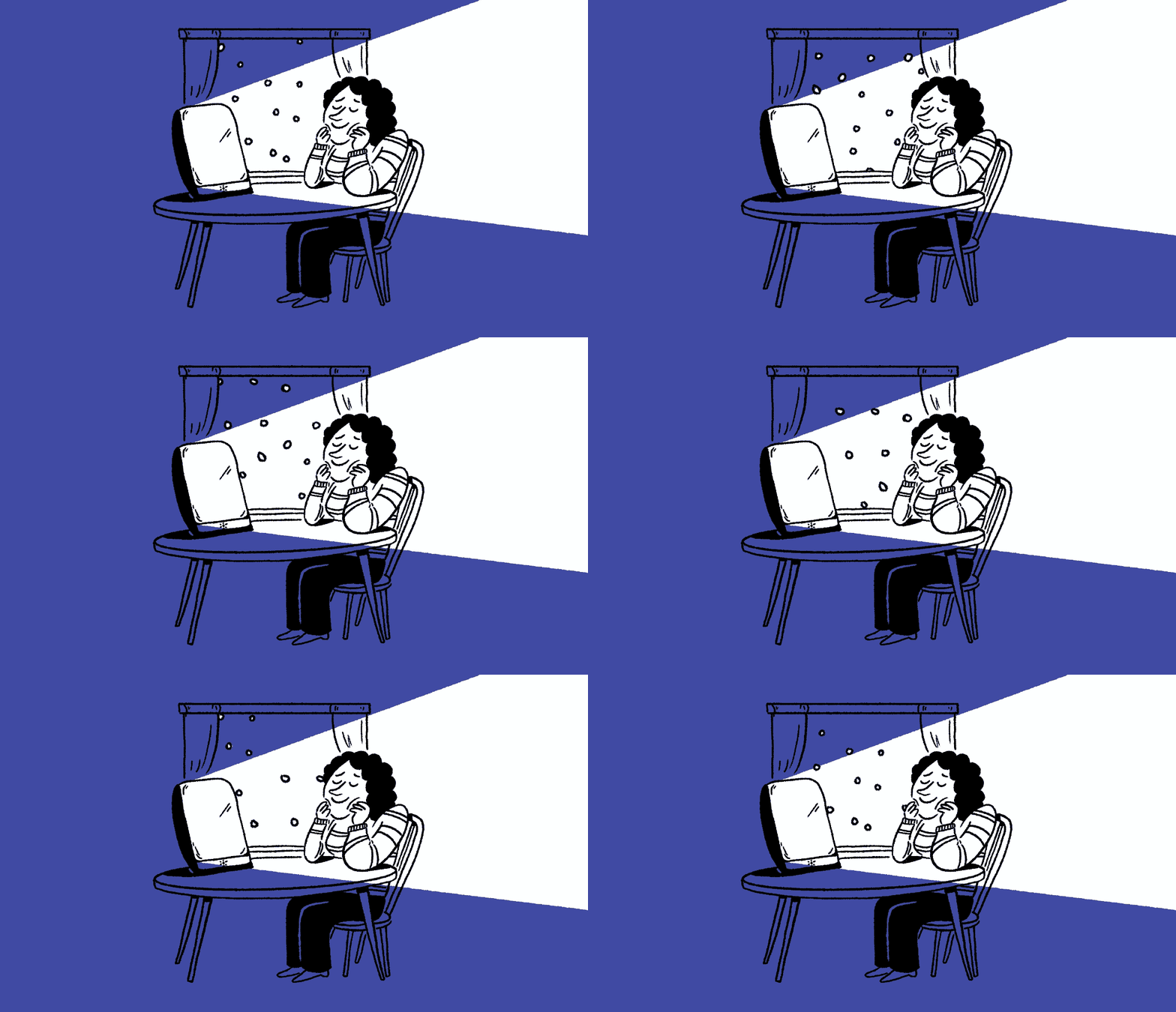
Light-therapy boxes are effective for many people. Studies show that daily exposure to a 10,000-lux, full-spectrum light box for 30-45 minutes in the morning can reduce SAD symptoms within days to weeks. These devices filter out harmful UV rays and are generally safe, though anyone with an eye disease or who’s on light-sensitizing medications should check with their doctor first.
Natural outdoor light is also a good idea. A 15- to 30- minute walk within two hours after sunrise can make a difference, even on cloudy days. If going outside isn’t possible, sitting near a bright window helps.


You Might Also Like
AARP Mental Health Resource Center
News, tools and tips on coping, understanding conditions and family caregivingDo Introverts Really Need to Socialize?
Discover how the socially shy can thrive with the right connections
Is Your Personality Killing You?
Here’s how to counteract your destructive traits