
AARP Hearing Center























.jpg?anchor=17,8&q=80&color=ffffffff&u=8wsalu&w=375 "Fall Movie Preview 2026")
















Is It OK to Nap Every Day?
A short afternoon snooze can be refreshing, but a sudden change in napping habits may warrant a conversation with your doctor
3-minute read

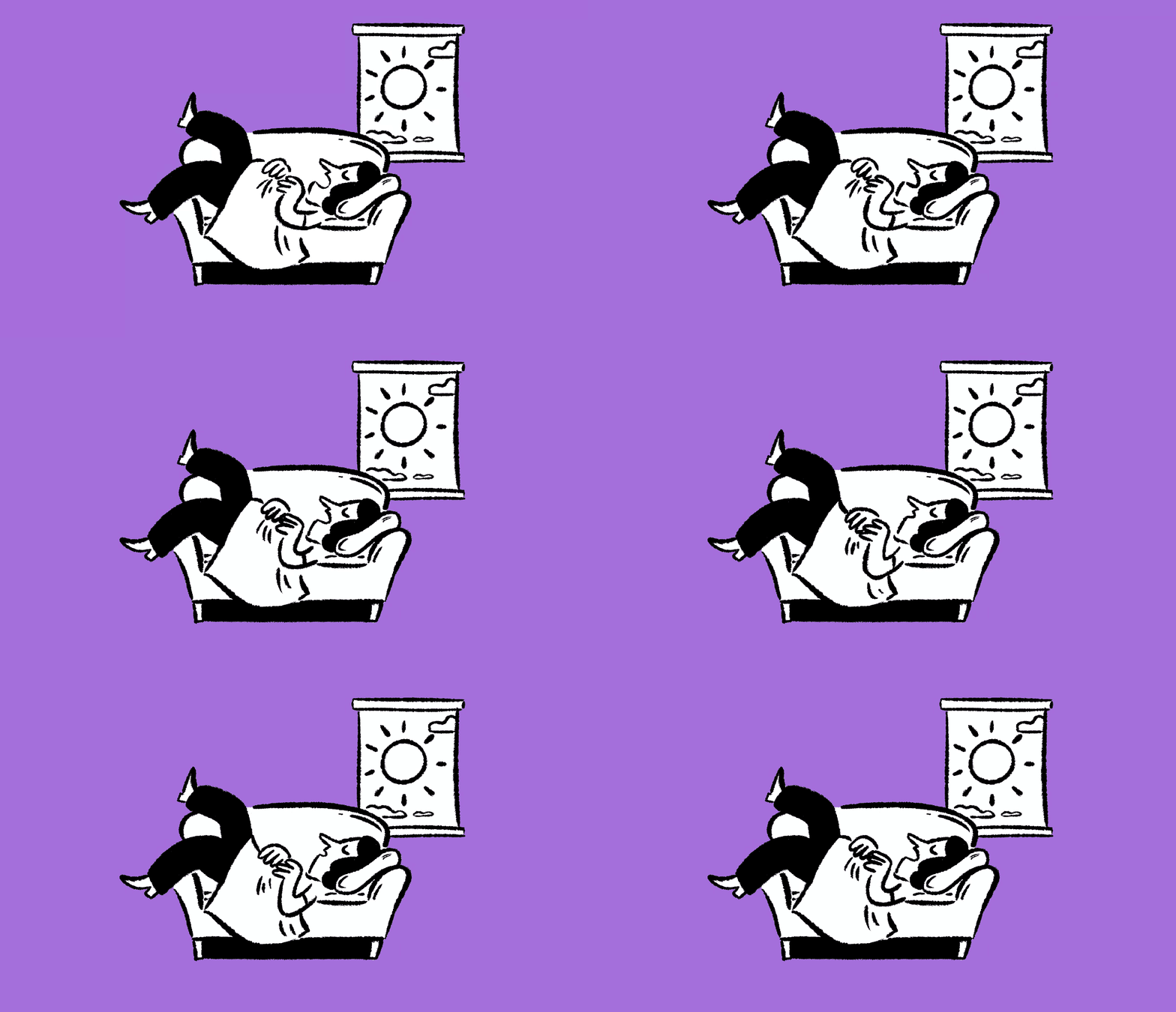
James Yates
I’ve started napping recently. Is that OK?
A daily nap is not necessarily something to worry about. In fact, for many people in their 50s and beyond, a short afternoon nap is a pleasant and perfectly healthy way to recharge and improve both cognitive and physical performance. But if this is a recent or sudden change, I would pay attention to it. Don’t panic, but do take note of what your body may be telling you.
More Ways to Benefit
- Related Benefit 1
- Related Benefit 2
- Related Benefit 3
- Related Benefit 4
- Related Benefit 5
Let’s begin with the reassuring part. Everybody gets tired, and there is nothing abnormal or unhealthy about closing your eyes in the afternoon and having a snooze. As we age, nighttime sleep often becomes lighter and more fragmented. You may spend enough hours in bed but still not get the deep, restorative sleep you once did. A brief nap can help make up for that.
The key is the length and timing of your nap. In general, I recommend keeping a daytime nap to about 20 to 30 minutes and taking it relatively early in the afternoon. A short nap can leave you feeling refreshed and more alert without interfering with your sleep that evening.
But if you sleep for two hours at four or five in the afternoon, your brain may start to think you’ve had part of your night’s sleep already. Then bedtime arrives, and you’re lying awake. That’s where napping can begin to disrupt your circadian rhythm, the body’s natural sleep-wake cycle.
There is also research suggesting that not all napping patterns are the same. A recent study found that among older adults, longer, more frequent snoozes and a tendency to nap in the morning were associated with a greater risk of dying. Taking a nap doesn’t cause health problems, but excessive or changing daytime sleep patterns may be a signal that something else is going on and deserves attention.
That brings me back to one word in your question: recently. If you always enjoyed a 20-minute afternoon nap, I wouldn’t be concerned. But if you are saying, “For the past month, I simply cannot get through the day without sleeping,” that’s different. A significant increase in daytime sleepiness is worth discussing with your doctor.
Sometimes the explanation is simple. Sleep apnea can leave folks exhausted during the day even though they believe they have slept for seven or eight hours. Medications are another culprit. Some blood pressure, sleep medications and drugs used to treat depression or anxiety can cause drowsiness. And don’t forget over-the-counter medications and supplements. Many people tell me they aren’t taking any medications, then mention several vitamins, herbal products or “natural” sleep remedies that can affect alertness.
Other medical issues your doctor may consider include hypothyroidism, problems with blood sugar, and heart, kidney, liver or lung conditions. If you become profoundly sleepy after meals, particularly if it interferes with your ability to function, that too deserves medical attention.
So my advice is not to fight a pleasant, occasional afternoon nap. If you regularly enjoy a brief rest after lunch and wake up refreshed, that’s also perfectly reasonable. Think of it as a little siesta. But if this is new for you, keep an eye on the pattern. How long are you sleeping? What time of day do you nap? Are you sleeping well at night? And most importantly, do you feel as though you want a nap, or that you cannot function without one?
That distinction matters. A 20- or 30-minute midday nap can be a healthy part of your day. But a sudden need for prolonged or frequent sleep may be your body’s way of asking you to look a little more closely. Mention the change at your next doctor’s appointment. Bring along a complete list of your prescription medications, over-the-counter products and supplements.
In medicine, a recent symptom isn’t necessarily bad news, but it is information. As we get older, as at any age, it’s worth listening when your body starts telling you something new.

AARP Membership
Join AARP for only $15 per year with automatic renewal. Get instant access to members-only products and hundreds of benefits, a free second membership, and a subscription to AARP The Magazine.

You Might Also Like
The 10-3-2-1 Method for Better Sleep
If you’re having a hard time falling asleep, it may be a good idea to look at your daily habits.Healthy Sleep Advice
How to get the best shuteye of your lifeSmart Sleep Tips for a Refreshing Morning
58 tips to help you fight those restless, endless nights and get the slumber you need.