
AARP Hearing Center























.jpg?anchor=17,8&q=80&color=ffffffff&u=8wsalu&w=375 "Fall Movie Preview 2026")
















I’m Worried About Statin Side Effects
If you’re hesitant to start a cholesterol medication, here’s what to know about the risks, benefits and latest research

James Yates
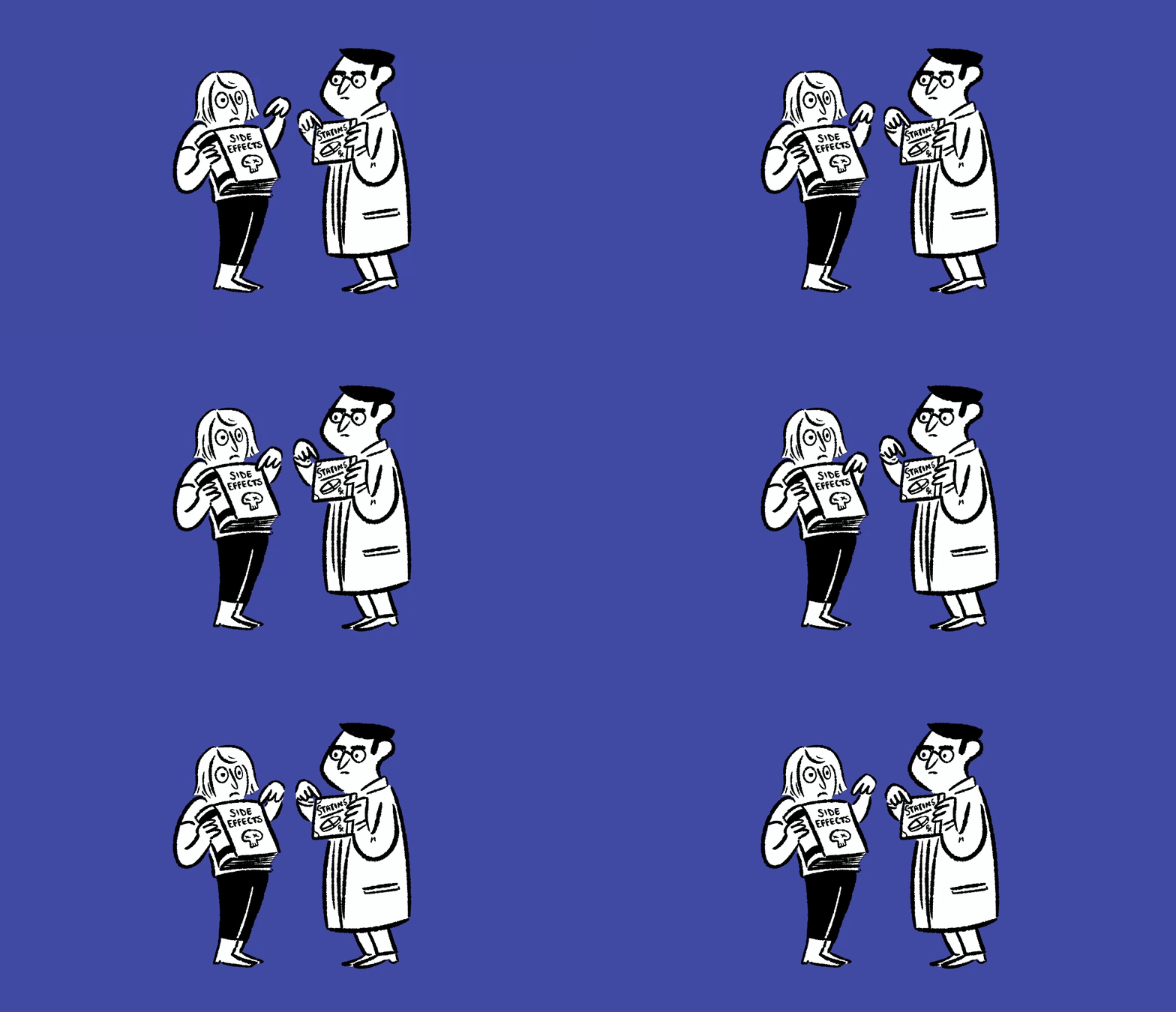
I’ve been told I should go on statins for my high cholesterol, but I’m worried about their side effects.
Every week, I meet patients who tell me a friend, neighbor or relative had terrible problems after starting a statin. By the time they sit down in my office, they’re already convinced the medicine will make them ache, damage their memory or in some way do more harm than good. I understand those concerns. When you’re asked to take a medication that you may stay on for years, you deserve to know why it’s recommended and what the risks are.
More Ways to Benefit
- Related Benefit 1
- Related Benefit 2
- Related Benefit 3
- Related Benefit 4
- Related Benefit 5
The first thing I want you to know is that statins aren’t prescribed simply to lower a number on a blood test. Their real job is protecting your arteries. Think of cholesterol as cargo carried through your bloodstream. When there’s too much LDL (the so-called “bad” cholesterol), some of it settles into the walls of the arteries. Over time, those deposits become plaques that narrow and stiffen the arteries. That’s what increases the risk of heart attack, stroke or poor circulation throughout the body.
So taking a statin isn’t just about your heart. Healthy arteries are essential for the brain, kidneys, eyes and every organ that depends on a good blood supply. Statins reduce the liver’s production of cholesterol, allowing the body to clear more LDL from the bloodstream and even pull some cholesterol out of artery walls. As we get older, protecting those arteries becomes more important because cholesterol levels often rise with age, and the liver becomes less efficient at clearing LDL.
Now let’s address the drug’s side effects. The symptom I hear about most is muscle pain. The good news is that the likelihood of a statin causing muscle aches is extremely low.
Clinical trials show that true statin-related muscle symptoms are less common than many people believe. An analysis out of the University of Oxford found that in more than 90 percent of the people who took the drug and reported muscle pain, that symptom was not due to the statins. In a different study, randomly selected participants who were given a placebo reported side effects at nearly the same rate as those actually taking the statin. Some researchers call this a “nocebo effect,” which happens when expecting a treatment to cause problems makes you more likely to experience those problems, even when the treatment itself may not be the cause.
That said, if someone develops new muscle pain after starting a statin, we work through it logically. We may stop the medication briefly to see if the discomfort resolves, then restart it to see whether the symptoms return. Oftentimes, they don’t. But sometimes they do, and if that’s the case, we have many options, including lowering the dose, changing to a different statin or using alternate-day dosing.
Another common concern is memory loss. A large study of more than 18,000 people found that those who took statins were no more likely to develop dementia than nonusers over a follow-up period of around five years. And because statins reduce the risk of stroke and improve blood vessel health, many experts believe they may help preserve brain health over the long term. One analysis of 36 studies showed that statins reduced one’s risk of developing dementia.
A recent analysis of 23 large-scale, randomized studies involving more than 150,000 participants found no evidence that taking statins caused 62 out of 66 side effects listed on product labels, including liver disease, cognitive impairment, sleep problems, fatigue, nausea and erectile dysfunction. (Read more about this research in What to Know About Statin Side Effects.)
Still, most doctors won’t recommend statins based on cholesterol alone. We also look at your age, blood pressure, diabetes, smoking history, family history and your overall risk of having a heart attack or stroke over the next 10 years. Someone with mildly elevated cholesterol but very low cardiovascular risk may not need the medication.
Finally, remember that statins are only one part of the equation. Medication works best when it’s paired with healthy habits: regular exercise, a heart-healthy diet, keeping extra pounds off and not smoking. These form the foundation of good cardiovascular health.
If your doctor recommends a statin, don’t let fear make the decision for you. Have an honest conversation about your concerns and your options. And if you truly cannot tolerate a statin, don’t give up. Today, we have several excellent alternatives that can also lower cholesterol and reduce cardiovascular risk.
Again, the goal isn’t simply lowering your cholesterol. It’s protecting your arteries and giving every organ in your body its best chance to remain healthy.

AARP Membership
Join AARP for only $15 per year with automatic renewal. Get instant access to members-only products and hundreds of benefits, a free second membership, and a subscription to AARP The Magazine.

You Might Also Like
AARP Smart Guide to a Healthy Heart
Easy, expert-endorsed ideas to help you care for your heart
Can Low Blood Pressure Be Dangerous?
A doctor weighs in on conditions that can lower blood pressure, and when to be concerned
25 Great Ways to Manage Your Medications
This guide has practical strategies to improve health outcomes and peace of mind