
AARP Hearing Center









































How Can I Avoid Sinus Infections?
Medications and home remedies can bring relief and help stop painful episodes before they start

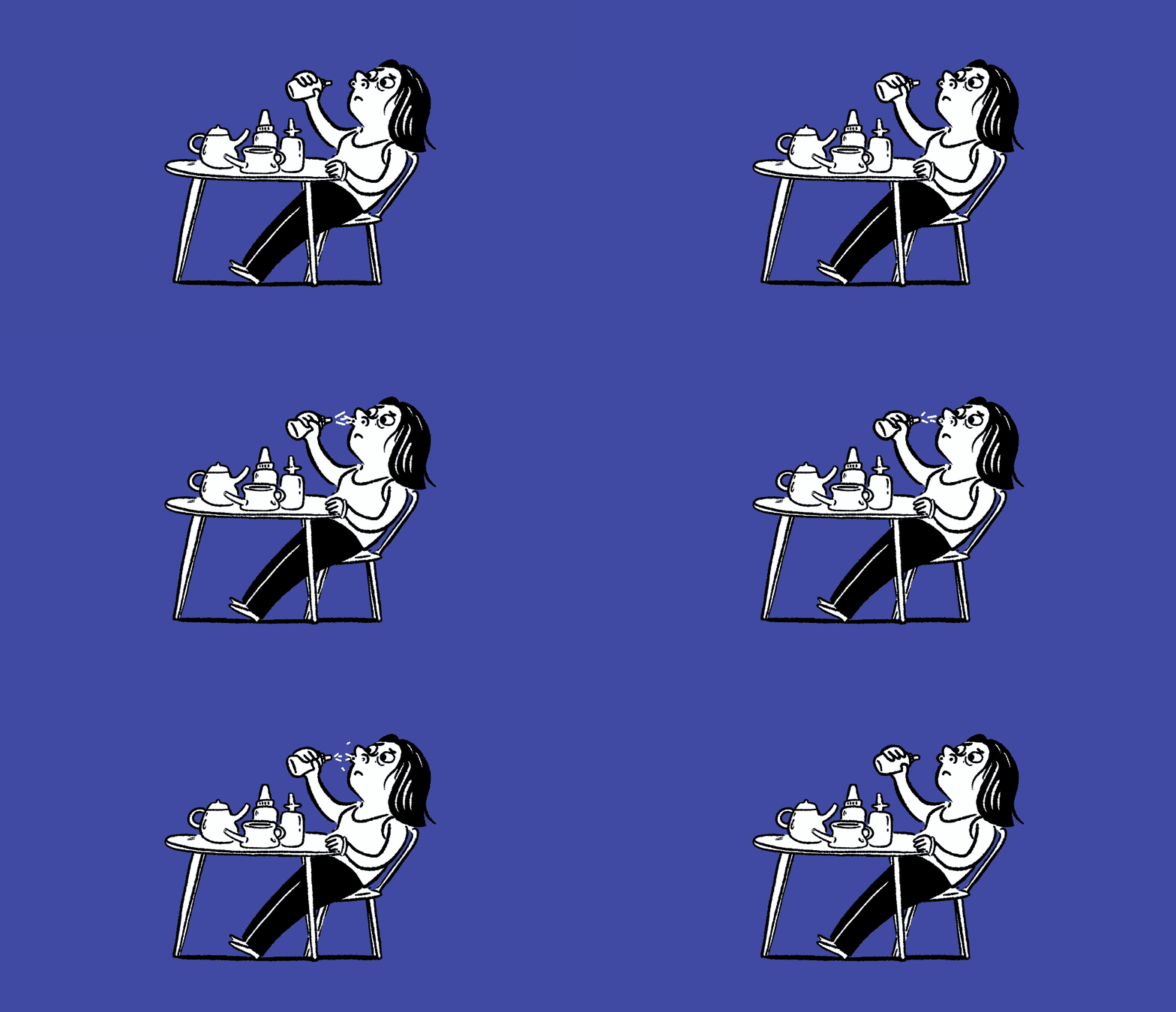
James Yates
What can I do about my chronic sinus infections?
As you're probably aware, sinus infections are miserable. The pressure above or below your eyes can feel like someone is poking you with an ice pick, and the congestion, headaches and fatigue can linger for weeks. If this keeps happening to you, the first thing to understand is that most sinus infections begin with inflammation and blocked drainage.
More Ways to Benefit
- Related Benefit 1
- Related Benefit 2
- Related Benefit 3
- Related Benefit 4
- Related Benefit 5
That’s why the primary prescription I give many patients is to hydrate, hydrate, hydrate. The reason? Sinuses and nasal passages are lined with mucus membranes that act as a natural defense system. They produce mucus that traps dust, allergens, viruses and bacteria. But when those membranes dry out, they lose their protective ability.
Drinking enough fluids helps keep mucus thin and flowing rather than thick and sticky. When mucus dries out and builds up, it creates the perfect environment for bacteria to multiply. And bacteria don't necessarily invade from the outside. They can live harmlessly in our bodies, until conditions change to their advantage.
Another helpful step is to directly moisturize the inside of your nose. Saline nasal sprays or gels are easy, inexpensive options that can keep nasal passages from drying out. Think of it in the same way as using a lip balm, except this time you’re protecting the inside of your nose.

Ask Dr. Adam
Adam B. Rosenbluth, M.D., is an internist and cardiologist in New York City. Each Monday, he’ll weigh in on your questions about how to make your body work better for you. His AARP book will be published in 2027. Join in on the conversation on social media @dradamrosenbluth to learn to move the needle on your personal health in an achievable way.
Some people prefer saline rinses with a neti pot or squeeze bottle. These devices can flush out mucus, allergens and irritants and reduce sinus symptoms if you use them regularly, once or twice daily. But it’s critical to follow instructions carefully. Always use distilled, sterile or previously boiled water, and clean the device after each use to avoid introducing bacteria into your nasal passages.
If your symptoms are related to allergies, medication may help reduce inflammation. Over-the-counter nasal corticosteroid sprays such as fluticasone (Flonase) or mometasone can calm swollen nasal tissues and improve drainage. But they require patience.
Antihistamines can also help when allergies are part of the problem, although you should talk to your doctor about using them. If you suspect something in your environment, like pet dander, dust mites or pollen, is triggering symptoms, an allergy test can help pinpoint the culprit.
One important word of caution: Try to avoid relying on decongestant sprays. These medications shrink swollen blood vessels in the nose and can work quickly, but using them for more than a few days may cause a rebound effect. When you stop, congestion can return even worse than before.
Lifestyle matters too. Smoking is particularly harmful to sinus health, because tobacco or marijuana smoke irritates and inflames the nasal lining. If you’re prone to sinus infections, quitting, or at least cutting back, can make a real difference.
Nasal polyps or structural problems such as a deviated septum can also interfere with sinus drainage. In these cases, treatment may involve working with an ear, nose, and throat (ENT) specialist. Procedures such as removing polyps, correcting a deviated septum or performing balloon sinus dilation can help restore normal airflow and reduce repeated infections. It's also worth knowing the difference between nasal congestion and a true sinus infection. Sinusitis often causes deep pressure or pain above the eyes, below the eyes or in the forehead, along with thick yellow or green mucus and noticeable fatigue. If you experience symptoms that last longer than 10 to 12 weeks, or if sinus infections keep returning several times a year, it’s time for a medical evaluation.
You’re certainly not alone. About 30 million adults are diagnosed with sinus infections every year. Our sinuses may be small, but when they’re inflamed, they can cause big problems. Fortunately, a few consistent habits, plus help from your doctor or an ENT specialist when needed, can keep them working the way nature intended.

AARP Membership
Join AARP for only $15 per year with automatic renewal. Get instant access to members-only products and hundreds of benefits, a free second membership, and a subscription to AARP The Magazine.

You Might Also Like
AARP Smart Guide to Seasonal Allergies
52 tips to keep your sniffling and sneezing at bay
25 Health Mistakes That Age You
Every day we make choices that can either protect us or accelerate the aging process