




























AARP Membership: Just $16 a Year

Highlights

Close

AARP® Prescription Discounts Provided by Catamaran

Members can print a free Rx discount card

AARP Salutes Our Heroes

Thanks to the veterans who served our country

Savings Icon

Tanger Outlets

Access to a free coupon book

Technical Icon

Black Community

How to live your best life

Tell Us Your Story

Ever had trouble paying for
health care?

Contests and
Sweeps

You Could Win $50,000!

Plus you’ll get free tips and tools to help you find your 
perfect path to retirement
See official rules.

Most Popular
Articles

Viewed

Recommended

Commented

Verizon Unveils Devices for Seniors

New health care-focused gadgets will run on the company's 4G network

  • Text
  • Print
  • Comments
  • Recommend

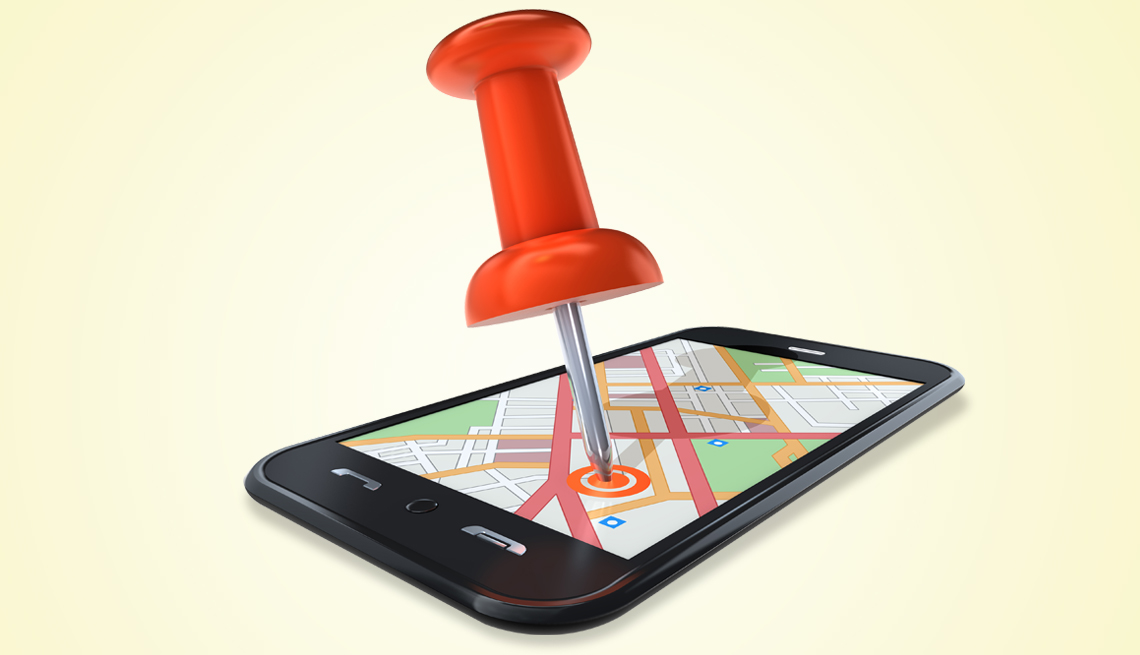
At this year’s annual Consumer Electronics Show in Las Vegas, Verizon, the nation’s largest wireless carrier, was showing off more than just smartphones and tablet computers. Verizon unveiled new devices and services being developed for seniors and boomers to operate on Verizon’s 4G high-speed wireless network. One of the most practical is a small, wearable GPS device called the “SureResponse” system. It takes the notion of “Please help me, I’ve fallen and I can’t get up“ to a new level. This one-button device connects to a response center either over the cellular network or through your home phone line. It can be worn as a pendant, a wristwatch or on a belt clip. In short, it works almost anywhere. We’ve heard stories of seniors who went out for a short drive and got lost. By using this device, the SureResponse agent can see the location and give directions to get home, or, if necessary, contact a caregiver or emergency responder.

See also: Avoiding fake phone charges.

New technologies enable caregivers to take care of patients in the home

Verizon offers a substantial range of products and services to meet the needs of an aging population.

Another third party making devices to run on Verizon’s network is HealthSense. The company’s “eNeighbor” system can be professionally installed in a senior’s home or assisted living facility. It has a series of custom sensors that can be used on doors, beds or in the bathroom to alert caregivers if someone walks through the wrong door, falls out of bed or even missed taking a medication.

Praveen Atreya, director of Verizon’s LTE Innovation Center, points to other technologies, such as a device from BL Healthcare that comes in the form of either a set-top box or a tablet computer. Its primary purpose is to minimize hospital admissions and hospital stays by monitoring chronic populations such as those with congestive heart failure or diabetics. The devices can securely communicate with a caregiver, or a health care professional, and if there’s an indication something is outside of normal parameters, they can arrange a video conference to walk through what needs to be done.

Meeting the need

Verizon Wireless says it offers a substantial range of products and services to meet the needs of an aging population. Most of these can be found by visiting the Verizon accessibility website, www.verizonwireless.com/accessibility. In addition, Verizon has a special center for customers with disabilities staffed by trained consultants who can deal with vision, hearing, speech, cognitive or mobility limitations. Center consultants can also help with local phone service, long distance/toll plans, directory listings, calling services, billing questions, Braille or large print bills, and high-speed Internet service. The company offers pricing plans to make many of these services more affordable for seniors, including free 411 calling for the visually impaired and special plans for those who cannot use voice services but do need to text or use Video Relay Service to communicate. But, as with many companies in consumer electronics, it’s up to the consumer to ask about these services, or dig into the website to find them.

Many of these steps are actually mandated by the government. Barbara Kaplan, the marketing manager for Verizon’s disabilities area, says they are spelled out in a group of FCC rules known as Section 255. In short, they specify that telecom companies must make their products and services accessible to people with disabilities, and make it easy for users to find out about these features. Kaplan says that as part of the process, Verizon meets with handset and software makers months before a new phone is launched to make sure the devices meet the FCC standards. But she admits that’s not always easy. For example, there is no one set of accessibility standards for the Android Operating System, and ease of finding them varies among Android devices. Apple’s iPhone and iPad have an accessibility tab on the “Settings” page. She says the company goes through the same process for Windows Phone and BlackBerry devices.

To meet the standards, Kaplan says every “front facing” Verizon employee, whether at a call center or in a Verizon company-owned store, receives mandatory accessibility training that covers all of Verizon’s current products.

But the FCC requirements don’t really cover issues of universal design, making all devices easily usable by all consumers. Verizon says, “We have a requirements process for all our devices that cover a wide range of hardware and software specs, including accessibility features.” Verizon didn’t provide any specifics of that process, only to add, “suffice to say Verizon has always offered a wide range of devices, with various customer segments in mind, and with various features. It’s fair to say that we always want the user experience to be a good one, and do what we can to make that happen right out of the box.”

Next: Looking to the future. »

Topic Alerts

You can get weekly email alerts on the topics below. Just click “Follow.”

Manage Alerts

Processing

Please wait...

progress bar, please wait

Video Extra

Click looks at the devices that may face extinction because of the multi-purpose gadget in your pocket - the smartphone.
 

Tell Us WhatYou Think

Please leave your comment below.

You must be signed in to comment.

Sign In | Register

More comments »

Personal technology
blog

Discounts & Benefits

Geek Squad Computing

Members save on Geek Squad services with Geek Squad® Tech Support & Guidance for AARP® Members.

AARP Discounts on ADT Companion Services

Members get 20% off NEW installation and activation of ADT® Personal Emergency Response System.

AARP Discounts on Consumer Cellular Phones and Plans

Members save 5% on monthly service and usage charges with Consumer Cellular.

Member Benefits

Members receive exclusive member benefits & affect social change. Join Today

Being Social

Featured
Groups

computer questions and tips

Computer Questions & Tips

Pick up some handy how-tos from this savvy group of techies. Discuss


Freebies Group

Favorite Websites & Freebies

Share your top sites for interesting information, helpful resources — and free stuff! Discuss