
AARP Hearing Center























.jpg?anchor=17,8&q=80&color=ffffffff&u=8wsalu&w=375 "Fall Movie Preview 2026")
















.jpg?crop=true&anchor=39,12&q=80&color=ffffffff&u=nkrkrm&w=1926&h=1107)






10 Essential Tips to Get Your Home Ready to Sell
Experts offer advice on the basic maintenance, touch-ups and organizing needed before you put your house on the market


AARP (Getty, 2)
Dirty appliances, ugly rugs and untamed shrubs: Those are among the eyesores that real estate agents and professional organizers and stagers often see when sellers are getting ready to put their house on the market.
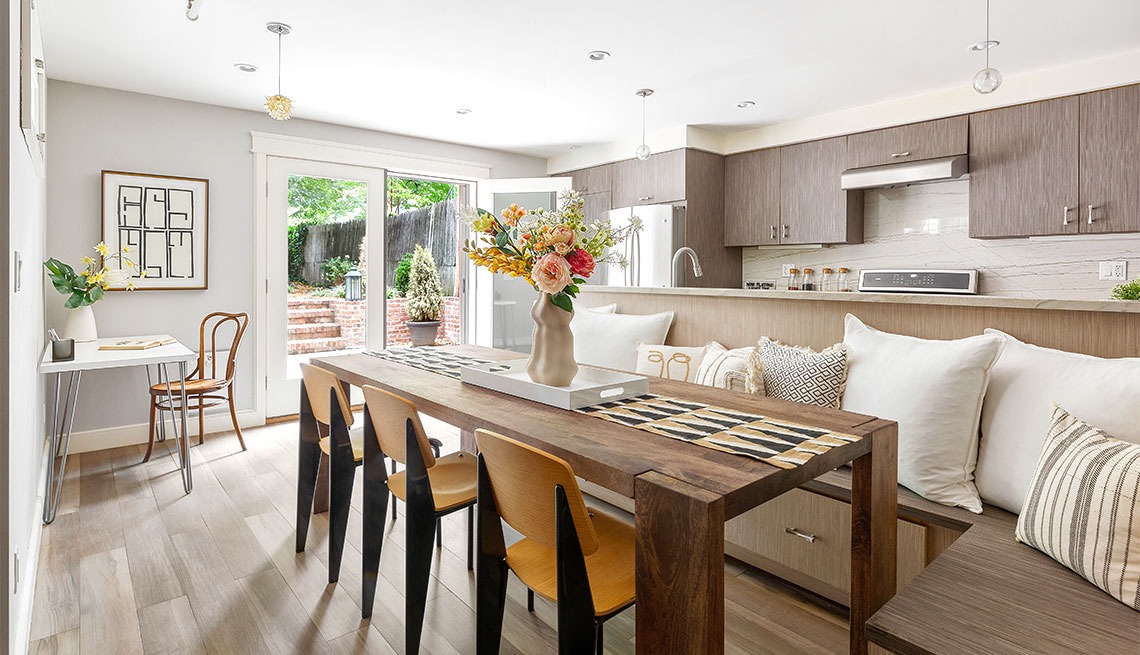
That’s not what buyers want to see, says Darla DeMorrow of HeartWork Organizing. “[Buyers] want a home that’s in great condition,” she says. “They want it light, bright, airy and spacious.”
More Ways to Benefit
- Related Benefit 1
- Related Benefit 2
- Related Benefit 3
- Related Benefit 4
- Related Benefit 5
Most important? They want it to be move-in ready, says DeMorrow, who adds that buyers often lack the time or inclination to address problems such as outdated carpeting or leaky faucets.
Cosmetic upgrades and needed repairs can help boost selling power, but there’s no one-size-fits-all formula. “Sometimes you need to renovate a kitchen. Sometimes all you really need to do is pop in some new appliances or deep-clean the ones that are there,” says Brian K. Lewis, a New York-based real estate agent with broker Compass. Ultimately, he says, your house should look like its best self.
From decluttering to tackling deferred maintenance, here’s how to put your best home forward.
1. Fix ‘under-the-hood’ issues
Been putting off larger house repairs such as leaky windows and worn roofing? Before putting your house on the market, you may want to assess whether such issues might deter buyers.
Lewis sometimes recommends a pre-listing inspection, which should cost roughly the same amount as a standard, buyer-paid home inspection (the national average is around $340, according to HomeAdvisor). That gives you the chance to resolve issues up front or account for them in your asking price — meaning you strengthen your negotiating position by avoiding surprise findings from a buyer’s inspection down the line.
Just make sure you play by the rules. Laws vary by region, but you’re generally required to disclose any known major flaws in the home (including those uncovered in a pre-listing inspection) to prospective buyers.

Video: Things to Do to Add Value to Your Home
2. Declutter (for good)
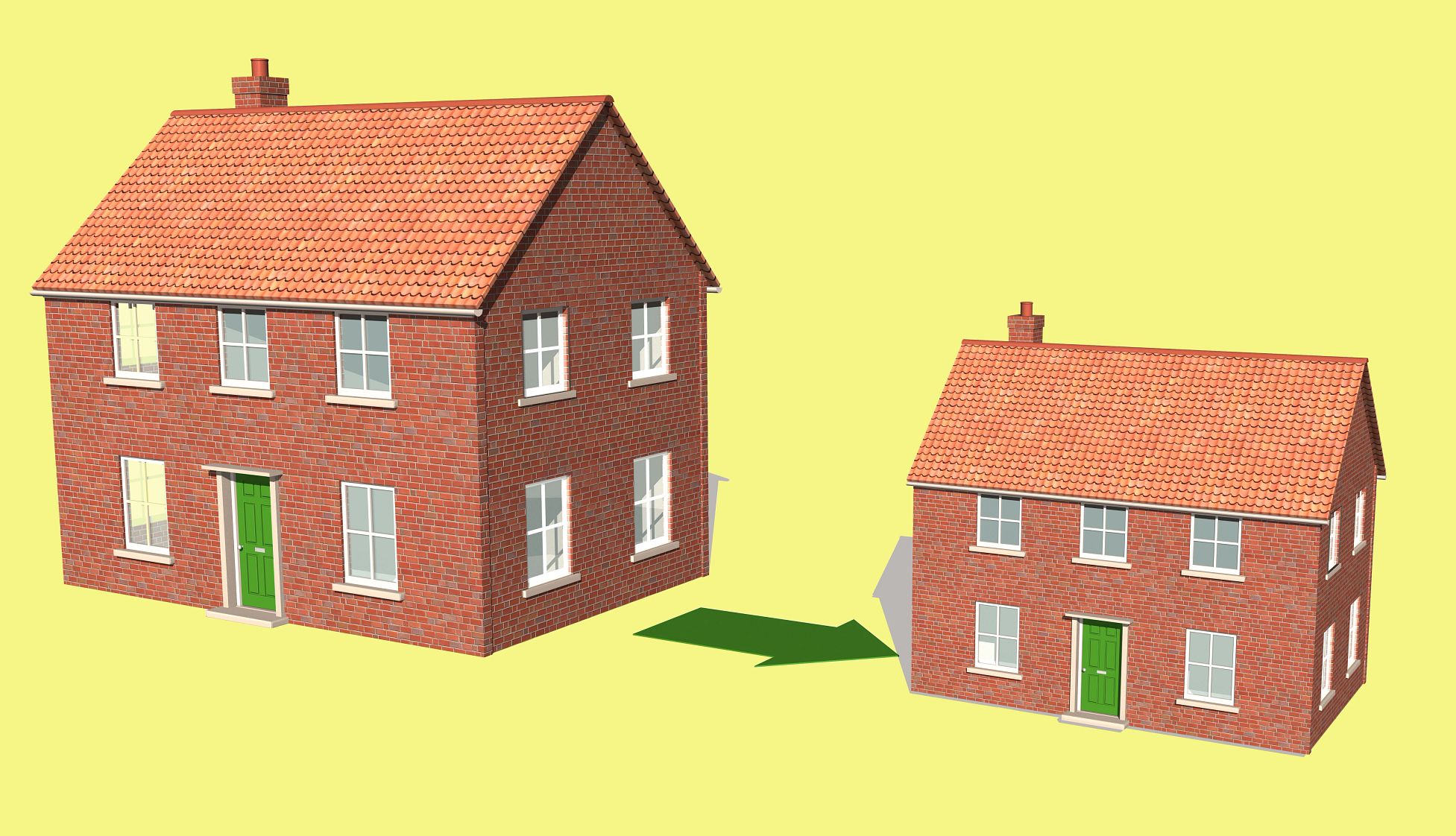
Selling means moving, which means it’s time to declutter — particularly if you’re downsizing. “When [buyers] walk into your home, they want to see space,” says Jami Shapiro, president of the National Association of Senior & Specialty Move Managers. “That’s a really good reason to declutter before you do anything else.”
To declutter methodically, Shapiro recommends starting in a small space with little sentimental attachment, such as a bathroom. From there, you can earmark every item as a keep, toss or donate.
Shapiro also favors decluttering as early in the process as you can. If possible, she says, avoid sending “maybe” items to storage. “Storage units are oftentimes deferred decisions,” she explains (and can come with monthly fees that add up over time).
3. Deep clean — inside and out
No matter your home type or listing price, a tidy space is an inviting one. “Clean goes a long way,” says Adorna Carroll, a Connecticut-based real estate broker.
Indoors, pay special attention to high-touch areas, such as doors, which get grubby from constant handling, and windows, baseboards and other spots that routine cleanings miss. This is also the time to tackle overdue outdoor tasks, such as cleaning gutters, clearing cobwebs and power-washing the exterior.
If you’re struggling to see which areas need extra care, North Carolina-based Realtor Patrice Willetts suggests a walk-through with fresh eyes. “Step outside and come into your house through your front door, as if you were a buyer. What do you see first? Does that make a positive or a negative impression?”
4. Refresh paint and lighting
Along with cleaning, sprucing up the walls helps create a blank slate for buyers. “Paint is always the biggest bang for your buck,” says home stager Michael Fowler of Michael Fowler Creative. A neutral paint color is the gold standard for interior walls — and don’t forget about doors and trim.
Warm, even lighting is another easy upgrade. Fowler recommends bulbs in the 2700K color temperature range (sometimes called “soft” or “warm” white) and double-checking multi-bulb fixtures, such as those commonly found in bathrooms, to avoid clashing tones in the same space.
5. Nix dated details
Out-of-date design elements, such as wallpaper, are a “no-go,” DeMorrow says. Carpeting and honey-toned wood cabinets are other common eyesores for buyers.
But updating doesn’t have to mean renovating. Simple fixes can include painting cabinet fronts and swapping in handles, doorknobs and other hardware in contemporary finishes. You can even reglaze tile to spruce up a bathroom on a budget (and avoid a disruptive demolition process).
Updating your home before listing can be more cost-effective than conceding to buyers down the line, the pros say. “Taking the time to pull out the carpet and put in something new will generate a better impression than a $3,000 carpet allowance,” Willetts says. “[The] visual is very important.”
6. Up your curb appeal
When it comes to exterior upgrades, the experts agree that simple is best. Think a trimmed lawn and tidy bushes. “You just need to make sure that the front looks clean, organized and that everything is in good repair,” Carroll says.
Lewis’ curb-appeal checklist includes clearing the driveway and tucking away trash and recycling bins. If you have patio furniture or a firepit, DeMorrow advises setting them up as if you’re about to entertain.
As for finishing touches? Flowers out front will do just fine, Shapiro says. (For wintertime sellers, DeMorrow recommends a bucket of holly branches and pine boughs instead of blossoms.)
7. Depersonalize
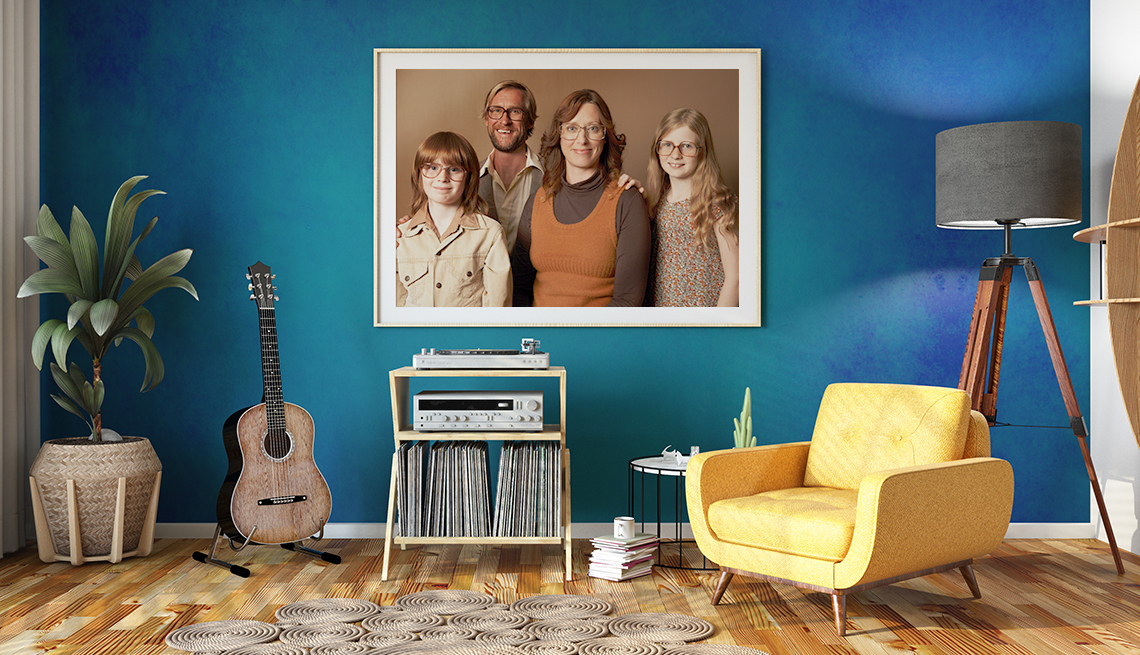
Whether or not you’re working with a professional home stager (more on that below), the experts say depersonalizing is key to helping buyers visualize themselves in a new space. In listing photos and at open houses, you’ll want to tone down taste-specific or overly personal decor and design elements, such as your prized Frisbee collection or family photo wall. And be sure to stash Fido’s food bowls and personal effects such as toothbrushes out of sight.
You don’t want to be known as the house with the fish smell, for example, or the house with the tchotchkes. “The goal is to show your home in a way that makes people consider living there,” Lewis says.

8. Stage for success
Like depersonalization, staging involves arranging furniture and decor to appeal to buyers and showcase the property’s best attributes in order to raise your final sale price or sell more quickly, which lowers carrying costs. “Most buyers don’t have the imagination to say, ‘Oh, this is where I put my sofa,’ ” Fowler says. “They need staging to instruct them.”
Although home improvement shows popularized the idea that staging requires filling an empty house with rented furniture, DeMorrow says that’s rarely the case. Instead, she focuses on “occupied staging,” which involves rearranging and repurposing furniture and decor while sellers continue to live in the home.
Another option is a virtual or in-person walk-through with a stager who will provide recommendations, leaving you to do the rest.
9. Prioritize professional listing photos
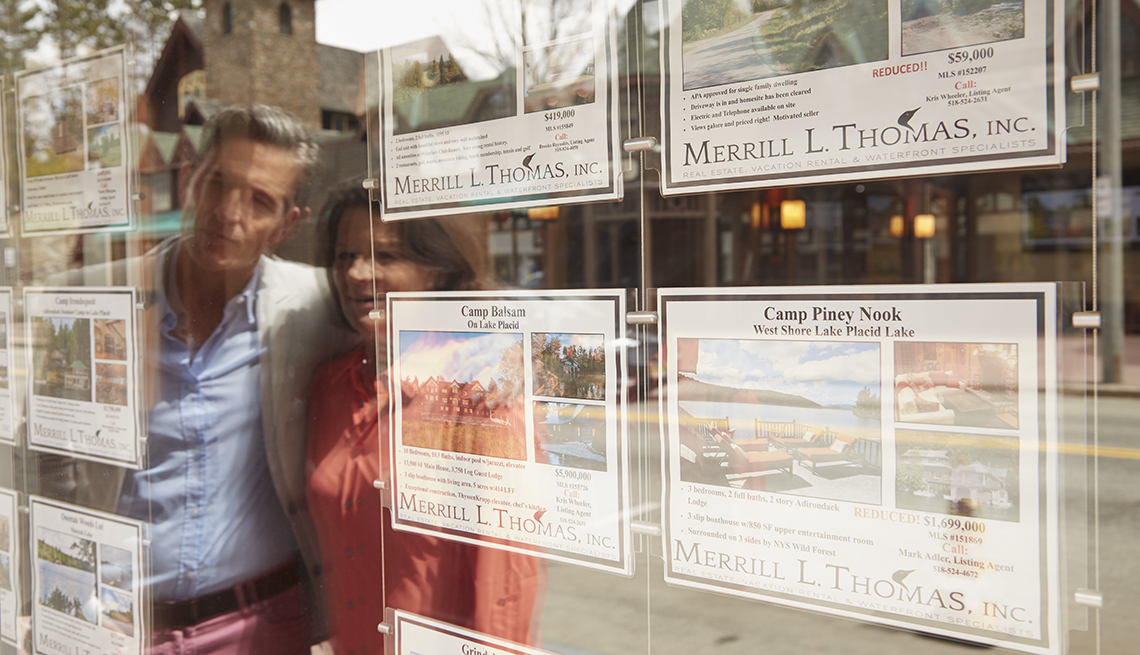
Since today’s home search typically begins online, your property needs to shine in listing photos before prospective buyers ever set foot inside. According to the National Association of Realtors’ 2025 Profile of Home Buyers and Sellers, more than half of buyers purchased a home they found online — and 81 percent of buyers rated listing photos as the most useful feature during their online home search.
“Great photos can make or break your sale,” Fowler says, noting that efforts to paint and stage your home are “for naught” if the online listing photos don’t do your home justice.
Avoid smartphone photos, the experts say, and opt for a professional photographer with the right equipment and expertise to showcase your space. If you use AI or other tools to alter or enhance listing photos, note that industry guidelines require disclosing certain edits.
10. Don’t fear the experts
Though many projects are DIY-friendly, working with a professional real estate agent, home stager or move specialist not only makes preparing your home for sale easier. It also expands your circle of support. Experts typically have a network of other trusted professionals — everyone from electricians to estate planners — who can address a range of maintenance and logistical needs as they arise.
Also important: seeking out credentialed pros. Certified Realtors, for example, adhere to a code of ethics and are required to undergo training every three years. The National Association of Realtors offers a Seniors Real Estate Specialist designation for agents who specialize in helping older adults buy, sell and relocate.
“The professionals do this day in, day out,” Lewis says. “This is all we obsess about: how to extract the most value from a property to make our clients — the sellers — happy.”

AARP Membership
Join AARP for only $15 per year with automatic renewal. Get instant access to members-only products and hundreds of benefits, a free second membership, and a subscription to AARP The Magazine.
More From AARP
10 Tips for Decluttering Before a Move
Moving is a great time to get rid of stuff you don’t need