



AARP Hearing Center
































































Your BMI Calculator Results Guide: Obesity
Your BMI suggests that you have obesity — explore these tips and resources


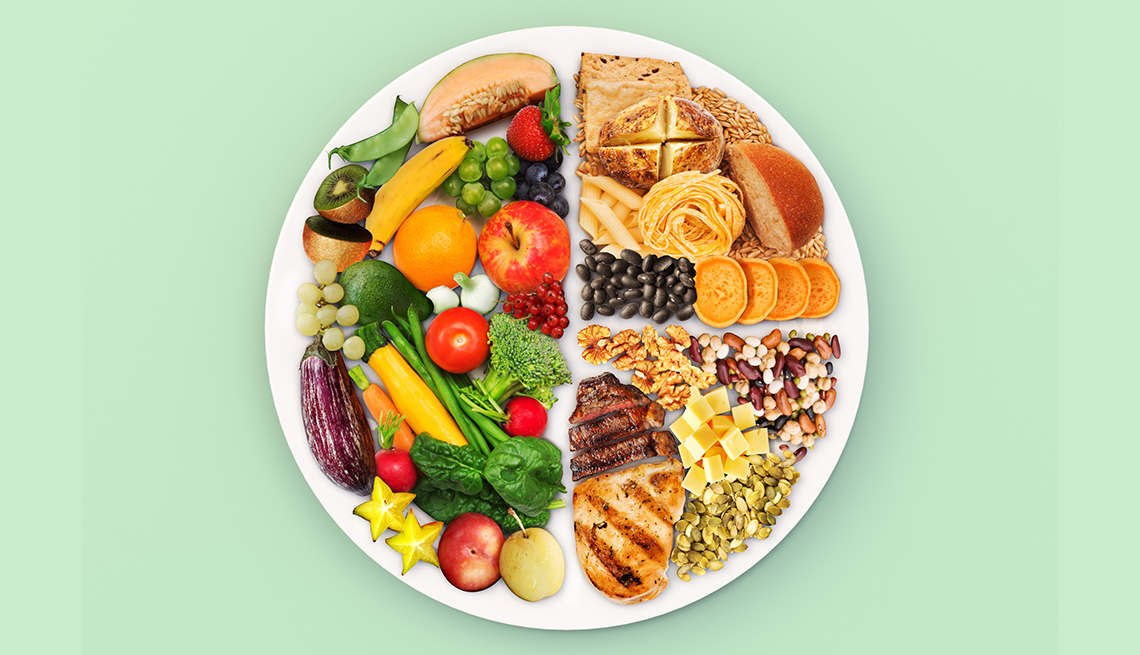
Photo Illustration: AARP; (Source: Getty Images)
Keep in mind that BMI has its limitations, and weight loss recommendations differ from person to person and are often based on a few variables. For instance, your muscle tone could play a role as you age.
Carrying excess weight puts you at higher risk for high blood pressure, type 2 diabetes, gallstones, breathing problems and certain types of cancer.
To better understand how your weight is associated with these health risks, your doctor may combine BMI with a waist circumference measurement called the waist-to-hip ratio — your waist circumference measurement divided by hip measurement. If most of your fat is around your waist, rather than at your hips, you’re at higher risk for heart disease and type 2 diabetes. This risk increases with a waist size that is greater than 35 inches for women or greater than 40 inches for men.
Research shows that, compared with BMI, the waist-to-hip ratio may be a stronger predictor of early death from any cause, and an increase in its value is associated with an increased risk.
Weight loss is strongly recommended for people with obesity. Even a reduction of just 5 to 10 percent of your current weight could help lower your risk of developing diseases.
A reasonable, safe and healthy rate of weight loss is 1 to 2 pounds per week.
Tips for people age 50-plus with obesity
A balanced diet is generally fine for good health. But if your BMI puts you in the obesity category, it can help to follow a proven meal plan to lose weight — just be sure to choose one that fits your lifestyle, nutritional needs and other medical conditions.
Some people have success with intermittent fasting, which involves not eating during certain hours of the day or days of the week. Besides helping you lose excess weight, it may also improve health conditions such as heart disease and diabetes.
It is highly recommended that you consult a licensed dietitian or a nutritionist for a personalized nutritional plan.
If you have been sedentary, ease into activity. Walking, jogging, swimming or using a recumbent bicycle or an elliptical machine are relatively easy on the joints and unlikely to lead to injury when performed correctly.
As you gain confidence and endurance, you can work out more vigorously. Recent studies have shown that strength training plays a significant role in weight loss and longevity. If you have chronic conditions like heart disease and diabetes, check with your doctor before starting an exercise plan.
People who eat lots of ultra-processed foods (foods that were commercially changed from their natural state) are heavier than those who eat more whole and unprocessed meals. For example, instead of breakfast cereal from a box, try eating oatmeal with fresh fruit. Research shows that when people consume ultra-processed foods, the hormones that increase hunger levels rise, while those that suppress appetite decrease.
There are new drugs and combinations of older drugs that have been shown to be effective for weight loss and other health conditions. You may be a candidate for those if you have a BMI of 30 or more.
If you have a BMI of 40 or more, ask your doctor about surgical options. If you also have medical conditions related to obesity, such as diabetes or hypertension, you may see an improvement in your conditions as well as weight loss afterward.


Explore Health Articles


AARP Health Resources



AARP Membership — $15 for your first year when you sign up for Automatic Renewal
Get instant access to members-only products and hundreds of discounts, a free second membership, and a subscription to AARP the Magazine.