
AARP Hearing Center









































What Brain-Health Mistakes Should I Avoid?
A doctor’s advice on which habits can harm your memory and thinking skills as you age

James Yates
I’ve read a lot about what I should do to keep my brain healthy, but what shouldn’t I do?
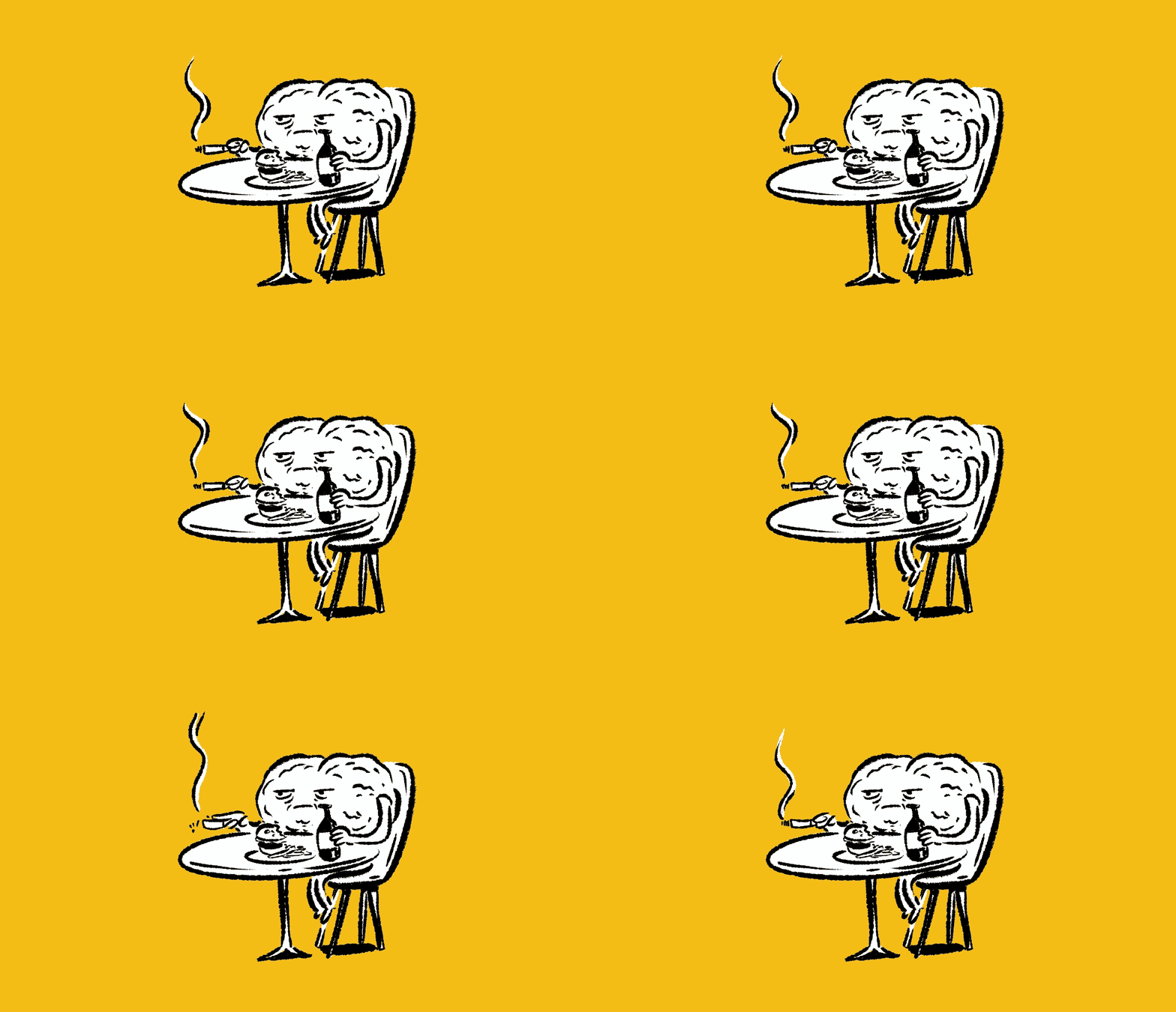
When people ask me what the biggest threats to brain health are, they often expect me to name some exotic toxin or hidden danger. But the truth is far less mysterious and much more empowering. The biggest mistakes people make with their brains are usually the everyday habits they ignore for years, including not moving enough, not treating medical conditions, becoming isolated, or assuming memory loss is simply an unavoidable part of aging.
More Ways to Benefit
- Related Benefit 1
- Related Benefit 2
- Related Benefit 3
- Related Benefit 4
- Related Benefit 5
The encouraging news is that many of those risks are modifiable. There is a great deal you can do right now to protect your brain.
In my book, the number one mistake is a sedentary lifestyle. Regular physical activity improves blood flow, supports balance, reduces inflammation and keeps the brain engaged and adaptive. A study in PLOS One found that prolonged sitting was linked to a thinning in the medial temporal lobe. This region of the brain is essential for memory formation, processing and retrieval. Simply walking briskly, riding a bike, pushing a lawn mower, swimming or doing other similar activities for at least 150 minutes a week can make a meaningful difference in your brain health. For even more benefits, add strength training two times a week. (There are dozens of free exercise videos on AARP’s Staying Fit page.)
AARP’s Staying Sharp
Staying Sharp has tools to help you break bad habits and pick up healthy ones that support your brain.
Another major mistake is neglecting cardiovascular health. The brain depends on healthy blood vessels. Conditions such as high blood pressure, diabetes, obesity, high cholesterol and smoking damage circulation and increase the risk of stroke and dementia. In many ways, what is bad for the heart is bad for the brain. Smoking in particular is devastating; research shows that smokers are significantly more likely to develop dementia, including Alzheimer’s disease.
Good sleep is essential for brain maintenance, yet the Centers for Disease Control and Prevention reports that about one-third of U.S. adults sleep less than the recommended minimum of seven hours a day. Chronic sleep deprivation negatively affects cognitive function, memory, mood and concentration.
Untreated sleep apnea, where breathing repeatedly stops and starts during sleep, is especially concerning, because it may contribute to cognitive impairment and a buildup of harmful amyloid protein in the brain that is a hallmark of Alzheimer’s disease. If you snore heavily, wake up exhausted or suspect sleep apnea, don’t ignore it. Get evaluated.
One of the more overlooked threats to brain health is social isolation. We’re wired for connection. Loneliness is linked to depression, accelerated cognitive decline and increased dementia risk. A study published in 2023 found that those who were socially isolated had smaller volume in the part of the brain that’s crucial for memory and learning. That doesn’t mean you need dozens of friends. Meaningful interaction with even a few close buddies matters enormously.
What else? I encourage my patients not to ignore hearing loss. Studies report that even minimal hearing loss is associated with increased risk of dementia. When hearing declines, the brain has to work harder to process sound, which may divert resources away from memory and cognition. Protect your hearing when you’re younger, and as you age, get your hearing checked and treated if necessary. (AARP members can take a free hearing test once a year on their phone, computer or mobile device.)
Alcohol is another area where moderation matters. Heavy alcohol use is clearly linked to cognitive decline and brain shrinkage. A study published in 2022 found that even moderate drinking was linked to reduced brain volume in older adults.
Pay attention to your emotional health. Chronic stress, anxiety, depression and negative rumination are not good for our brains. There’s plenty of evidence that persistent negative thinking influences a decline in memory and cognition in older adults. The goal isn’t to “think happy thoughts” all day long. It’s to recognize when stress, isolation or depression are becoming chronic, and to seek support rather than suffer silently.
Finally, don’t ignore changes in your memory or thinking. While some slowing can occur with aging, personality changes, persistent forgetfulness, confusion and difficulty managing tasks all deserve medical attention. Sometimes the cause is treatable. When cognitive problems are caught early, interventions are often more effective.
Brain health is not just about the brain. When you exercise, sleep well, stay socially connected and care for your overall health, you’re strengthening every system in your body.

AARP Membership
Join AARP for only $15 per year with automatic renewal. Get instant access to members-only products and hundreds of benefits, a free second membership, and a subscription to AARP The Magazine.

You May Also Like
25 Foods to Skip After Age 50
These popular foods and drinks may raise health risks, with easier swaps suggested
Don’t Tell Me to Relax!
Telling me to “loosen up” makes my muscles tense. Here’s how I turned it around.
AARP Smart Guide to Keeping Your Memory Sharp
22 science-backed ways to growing a healthier, happier brain, now and in the future