


AARP Hearing Center






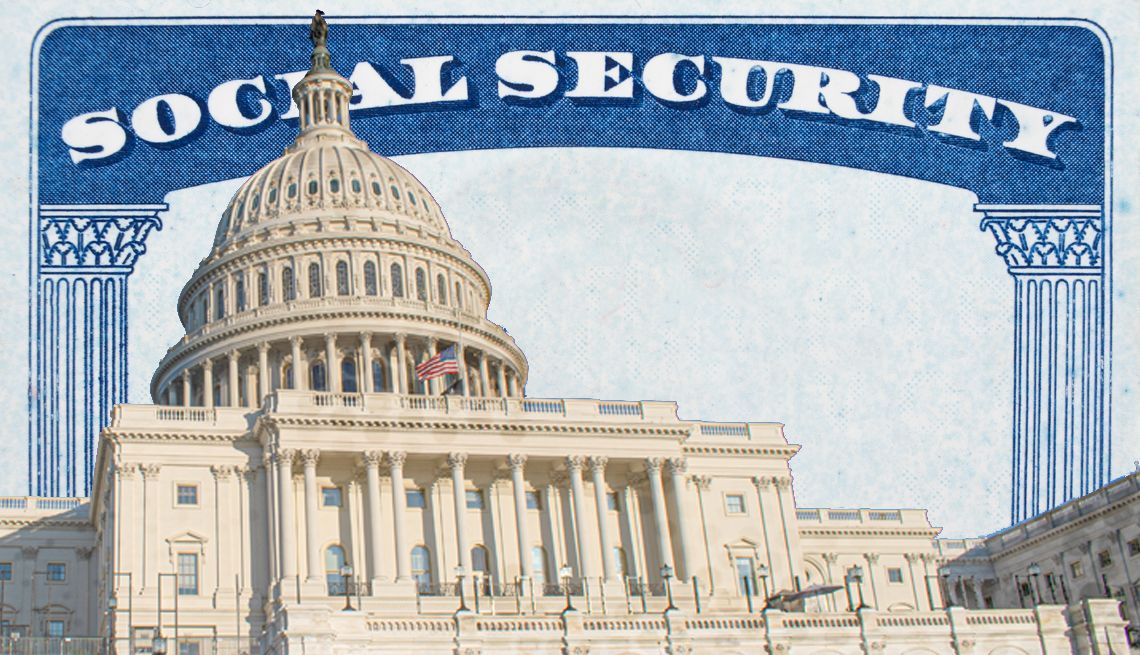

































Social Security is a foundation of financial security for millions of older Americans, helping them cover basic needs, live independently, and maintain their quality of life. Recipients rely on their Social Security to different degrees, and even a relatively small reduction could have far-reaching effects for many.


In August 2026, AARP surveyed adults age 50-plus who receive Social Security retirement benefits about how a 5% benefit reduction could affect them. The findings are clear: Social Security is the main source of income for half of recipients, and a 5% reduction could force many, especially those who rely on it most, to cut spending on basic needs, draw down savings, or delay health care. The effects could extend beyond household budgets to recipients’ independence, well-being, and ability to support family.
The research finds that:
Half of Social Security recipients (51%) say it is their main source of income.
Another 4 in 10 (39%) say it is an important, but not their main, source of income, while just 1 in 10 (10%) say it is a small source. Highly reliant recipients generally report that Social Security provides 70% or more of their income, moderately reliant recipients most often report that it provides 30% to less than 70%, and minimally reliant recipients mostly report that it provides less than 30%.
Social Security serves different roles depending on how much recipients rely on it.
Among highly reliant recipients, it primarily helps them meet basic needs (82%) and live independently (50%). Among moderately reliant recipients, it is especially important for reducing financial stress (62%) and meeting basic needs (56%). Minimally reliant recipients report less impact overall, though helping maintain their standard of living (34%) and covering extras that improve their quality of life (36%) are the most commonly reported benefits.
A 5% benefit reduction could lead many recipients to cut everyday spending.
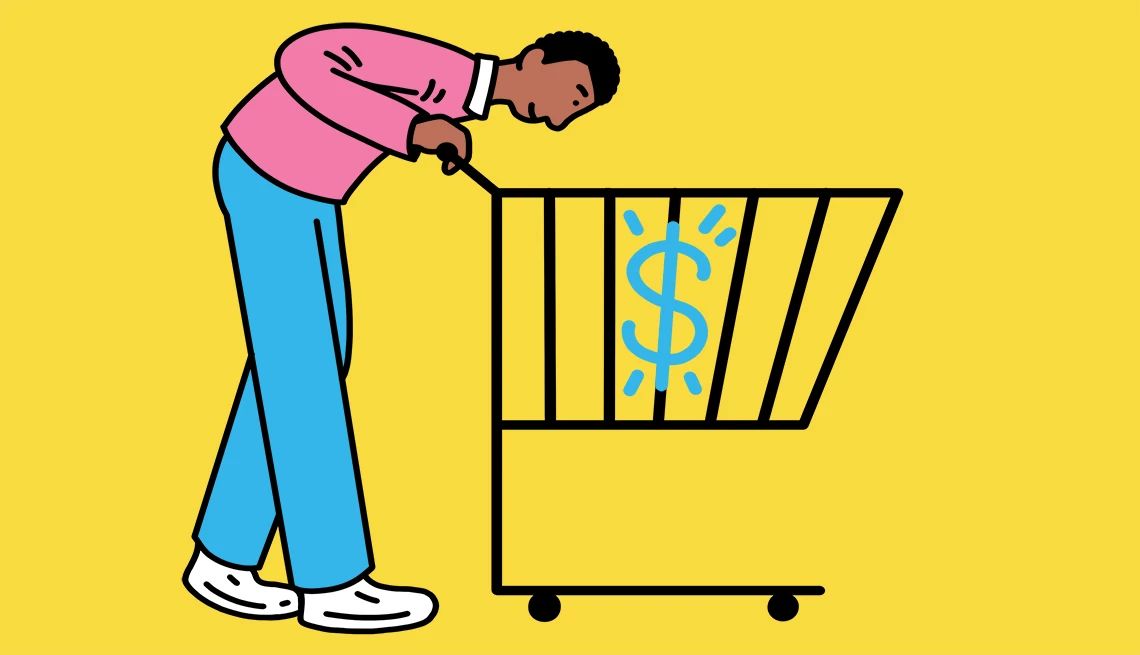
Dining out (46%), groceries and basic household items (45%), major purchases (40%), and entertainment (39%) are the most common areas recipients say they might cut. Highly reliant recipients are much more likely to say they would spend less on groceries or basic household items (64%).
A 5% reduction could also weaken recipients’ financial security.
About one-third say they might use savings more quickly (36%) or save less (32%). Highly reliant recipients are more likely to take these steps (40% and 41%, respectively) and to consider borrowing (19%), selling assets (19%), or relying on family or friends for financial help (13%). The effects could extend beyond recipients themselves: more than 1 in 5 highly and moderately reliant recipients say they might provide less financial help to family, and nearly as many highly reliant recipients say they might visit family less often.
A 5% reduction could affect recipients’ health and well-being, not just their budgets.
Increased financial stress or anxiety (43%) and cutting activities that support quality of life (39%) are the most common concerns. Highly reliant recipients are also more likely to say they might cut back on health-related services (41%) or delay or skip medical care (25%).
Methodology
The survey was fielded between August 20 and 24, 2026, among 1,085 U.S. adults age 50-plus (651 adults age 50-plus who report receiving or having a spouse who is receiving Social Security retirement benefits). Funded and operated by NORC at the University of Chicago, Foresight 50+ is a probability-based panel designed to be representative of the U.S. household population age 50 or older. Interviews were conducted online and via phone. All data are weighted by age, sex, education, race/ethnicity, region, and AARP membership.
For more information, please contact Bryan Miller at bmmiller@aarp.org. For media inquiries, contact External Relations at media@aarp.org.
MORE FROM AARP POLICY & RESEARCH


