



AARP Hearing Center

































































James Yates
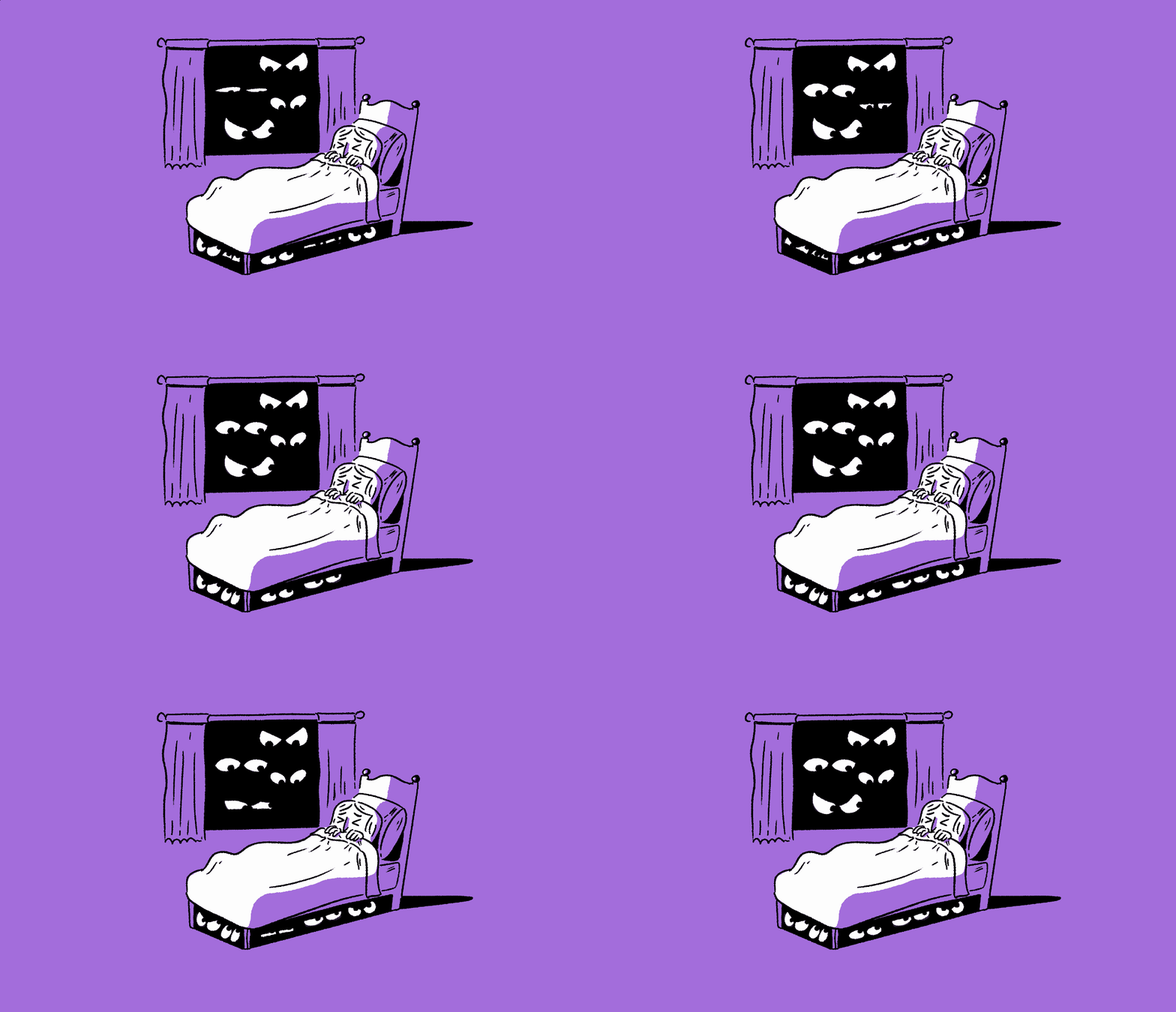
Why am I having so many nightmares? Can health problems cause them?
If you’re having nightmares, it doesn’t mean something is wrong with you. They’re a signal. Just like a fever or a racing heart, bad dreams are one way your body reacts when something physical or emotional is out of balance. In older adults, those signals tend to get louder.
One of the most common reasons is stress from accumulated life experience. Your brain does a lot of its emotional work while you sleep. For instance, if you’ve lost a spouse, had a health scare, suffered in a car crash or lived through something else that’s frightening, your mind keeps processing it at night. You may not consciously think about it but your brain remembers, and sometimes it replays that fear as a nightmare.
Another factor is how well you’re sleeping. When we’re exhausted, dreams can become more intense. Anything that disrupts sleep, such as sleep apnea, restless legs or pain, will make nightmares more likely. Drinking alcohol, staying up late, sleeping in and relying on caffeine throughout the day can all throw off our natural sleep rhythm and make our dreams seem more realistic.
Most people over age 50 don’t sleep as deeply as they once did and wake up more often during the night, usually to use the bathroom. That matters, because the most realistic dreams happen during REM sleep. Rapid eye movement is a crucial sleep stage known for intense dreaming and increased brain activity. If you wake in the middle of a dream, especially a scary one, you’re more likely to remember it. Younger folks, on the other hand, are more likely to sleep right through their dreams and forget them. You may not actually be having more nightmares, just remembering them more clearly.

Ask Dr. Adam
Adam B. Rosenbluth, M.D., is an internist and cardiologist in New York City. Each Monday, he’ll weigh in on your questions about how to make your body work better for you. His AARP book will be published in 2027. Join in on the conversation on social media @dradamrosenbluth to learn to move the needle on your personal health in an achievable way.
I always ask patients about their medications. Many drugs list nightmares, night tremors or vivid dreams as side effects. Antidepressants, blood pressure drugs like beta blockers and even sleeping pills can all do this. It’s frustrating, but it’s common.
Medical conditions are also part of the picture. Obstructive sleep apnea, when breathing and oxygen levels drop during sleep, is a big one. Why? Because it fragments sleep. Depression, anxiety and post-traumatic stress disorder can all increase nightmare frequency. Neurodegenerative diseases including Parkinson’s disease are on the long list of conditions linked to vivid dreaming. But I want to be clear that having nightmares does not mean you’re developing dementia.


You Might Also Like
AI Breakthrough Enhances Parkinson’s Treatment
New adaptive DBS technology improves patients’ lives
Heart-Healthy Food Swaps
These simple meal upgrades give your ticker something to get pumped about
25 Great Ways to Create a Calm Morning Routine
Discover the best rituals for starting your morning off right