
AARP Hearing Center























.jpg?anchor=17,8&q=80&color=ffffffff&u=8wsalu&w=375 "Fall Movie Preview 2026")
















How Harmful Are Microplastics to Older Adults?
A doctor’s advice on reducing your exposure to these tiny, inescapable byproducts of modern life

James Yates
I keep reading about microplastics. What can I do? And does it really matter?
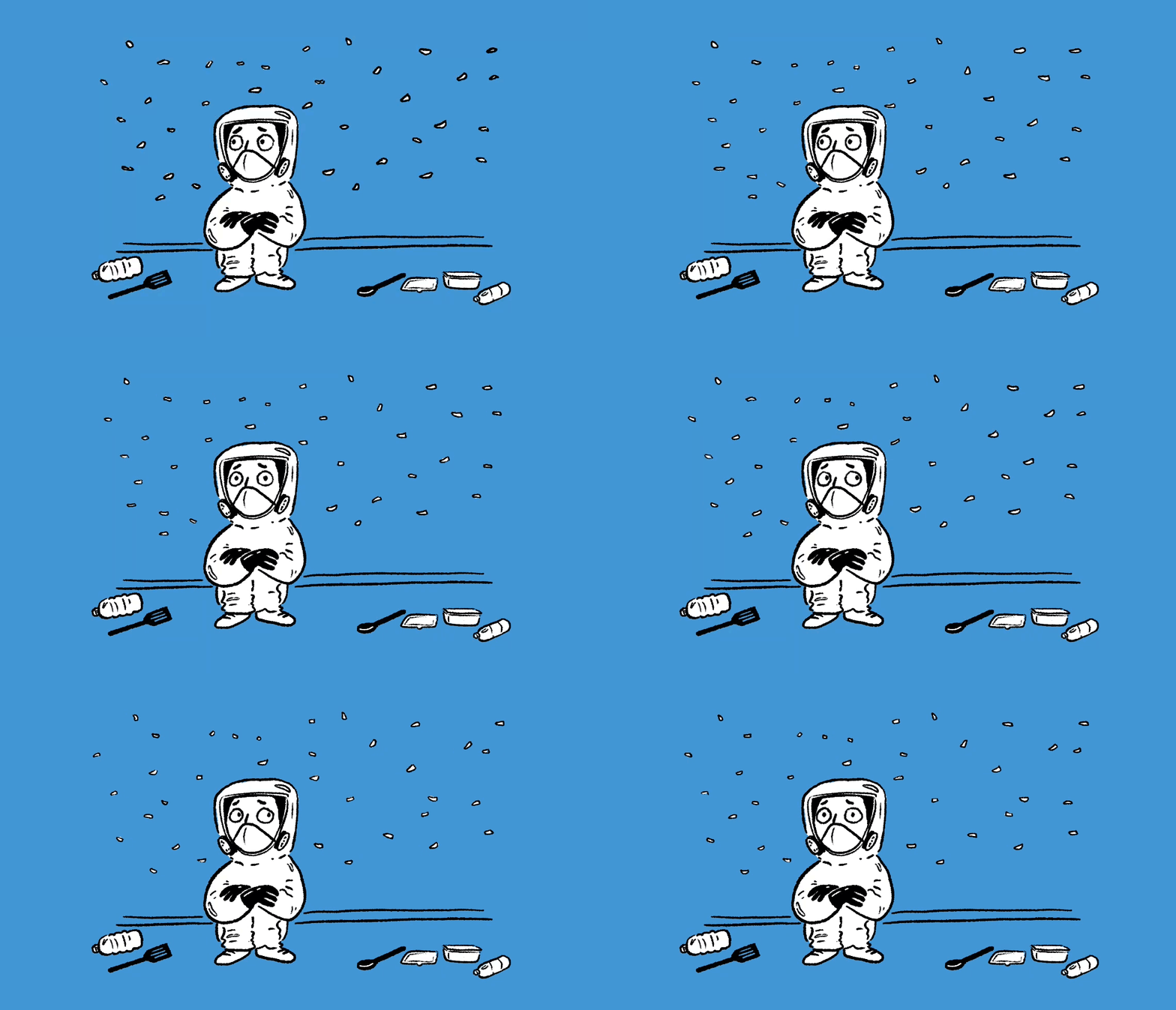
Like many of you, I grew up in a world where plastic was considered a miracle. Now it’s everywhere. It lines our refrigerators, wraps our leftovers and even makes its way into our clothes and carpets. While plastic makes life easier, it doesn’t just disappear once we throw it away. In fact, it’s shedding particles long before it ends up in our recycling bins. Plastic breaks down, slowly and invisibly, into something much smaller — and potentially much more harmful.
More Ways to Benefit
- Related Benefit 1
- Related Benefit 2
- Related Benefit 3
- Related Benefit 4
- Related Benefit 5
These minuscule fragments, less than 5 millimeters in size, are called microplastics, and they linger in everyday places, from plastic food containers and water bottles to synthetic fabrics like polyester, even tea bags. And here’s the kicker: Scientists are finding microplastics in almost every corner of the human body. They’ve been detected in our lungs, colon, liver, kidneys and brain.
That’s not so surprising: It’s estimated that the average person inhales up to 68,000 microplastic particles every day, and this pollution is also found in the water we drink, the foods we eat and the products we use in our homes. Still, like our reader, you may be wondering, “I’m living a long, full life. Are microplastics really something I need to worry about?” As both a doctor and someone who works with older adults every day, I want to answer you plainly. Yes, it matters.
In fact, we’re more at risk than younger folks, because as we age, our immune systems weaken and our bodies become less efficient at detoxifying harmful substances. Microplastics can not only cause inflammation, they may also disrupt metabolic health and interfere with our body’s ability to produce antioxidants.
To explain my position, I’m going to mention two recent studies — and there are dozens more. The first, published last year in The New England Journal of Medicine, found a link between microplastics detected in arteries and an increased risk of heart attack, stroke and death.
Second, a 2025 study published in Nature Medicine found that people with dementia had up to 10 times more microplastics in their brains than those without cognitive decline. Scientists haven’t yet figured out whether those plastics may be contributing to the development of dementia or if something about the disease process makes them accumulate in the brain.
The U.S. government has numerous ongoing studies looking into the health effects of microplastics on humans, but for now, it’s up to us to try to limit them.
Microplastics can be a serious problem, but please don’t be discouraged. It’s not too late to take steps that will make a real difference in your health and well-being. Small, consistent changes can significantly lower your exposure.
For example, use a vacuum with a HEPA filter. If you live in an area where there’s fresh air, open your windows when weather permits. You can also run an air purifier in your bedroom and main living area. Dusting is a good practice, too. Since microplastic fibers settle on surfaces, regular gentle dusting with a damp cloth can help.
Try to choose natural fabrics like cotton, linen, wool or silk when you’re buying clothing, sheets or upholstery. Use either a stainless steel or glass water bottle instead of plastic bottles, and consider installing a home water filter that removes microplastics. And while we’re discussing liquids, switch to loose-leaf tea with a metal strainer, or make sure your tea bags are plastic-free. Paper tea bags often contain a plastic mesh seal.
Avoid microwaving food in plastic containers, and store your leftovers in glass. You’ll want to minimize prepackaged foods, too, especially those wrapped in soft plastic.
Microplastics are part of our daily environment, but we’re not powerless against them. Knowing how they get into our bodies is the first step toward protecting ourselves. The goal isn’t zero exposure but minimizing exposue. Every step you take, from swapping out plastic containers to improving indoor air, makes a difference over time. Just keep in mind that what you can’t see may still hurt you.

AARP Membership
Join AARP for only $15 per year with automatic renewal. Get instant access to members-only products and hundreds of benefits, a free second membership, and a subscription to AARP The Magazine.

You Might Also LIke
Insider Secrets on Integrative Medicine
Dr. Victoria Maizes shares 21 ways a holistic approach to health can heal what ails you
Are Seed Oils Really Bad for Your Health?
Experts say seed oils are healthier than social media claims. Here’s what the science shows
8 Ways Sugar Speeds Up Aging
Added sugars can speed up the aging process