


AARP Hearing Center





















































Key findings
- Caregiving is the primary motivator for considering an ADU.
- There is high interest in ADU building features that support accessibility and aging in place.
- Cost can be a significant barrier for would-be ADU owners.
American consumers understand the benefits of accessory dwelling units (ADUs), but they also see barriers associated with them, survey research from AARP finds. The study reveals common motivations for building or owning an ADU, as well as the characteristics most common among ADU owners.


Caregiving is the primary motivator for considering an ADU. Two-thirds (65%) of non-ADU owners would consider adding an ADU to their home or property. This number is even higher among current caregivers, at 73%.
Those who already own an ADU are more likely to be under age 55, have at least some college education, and be employed, with a household income of over $100,000.
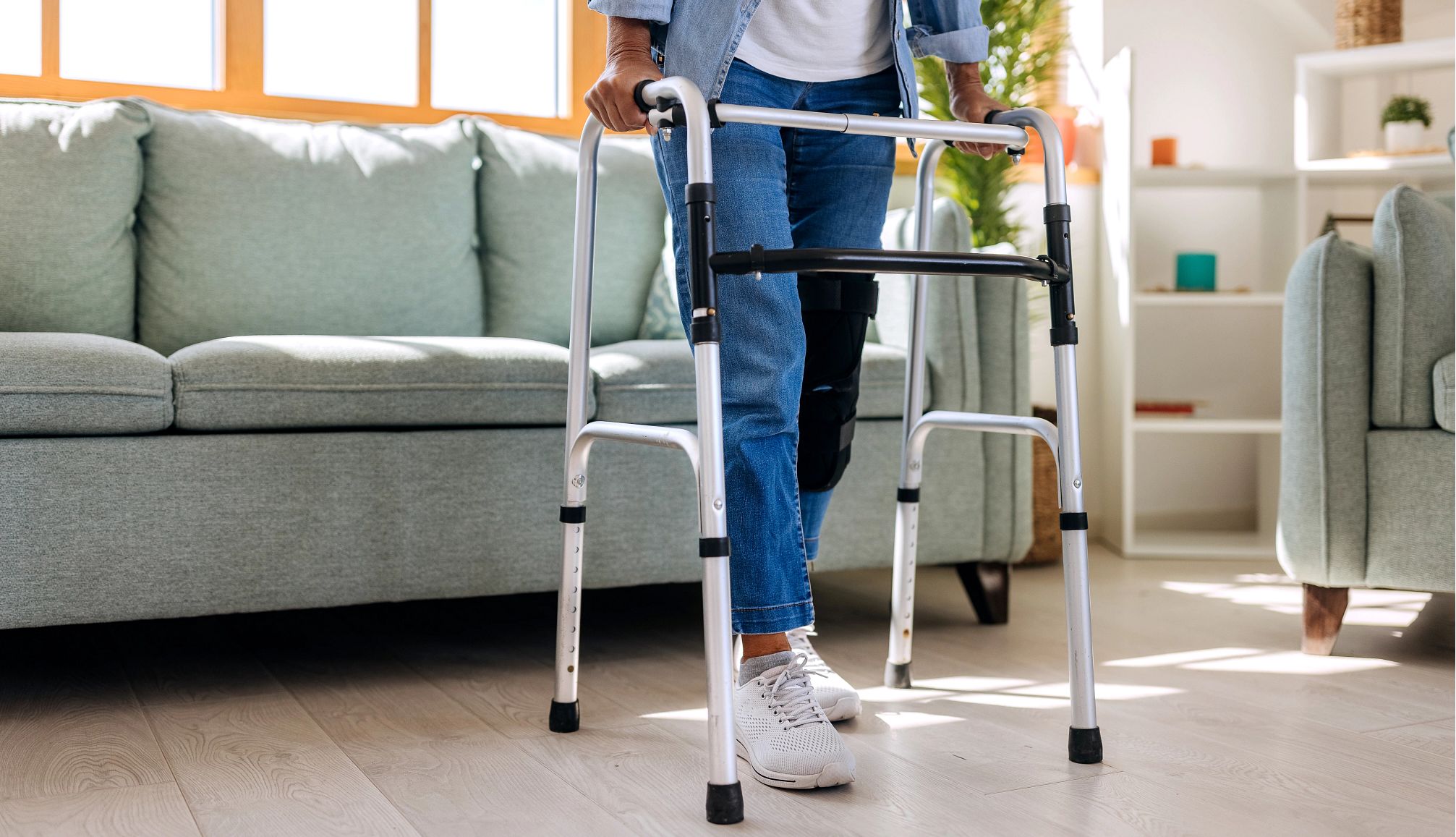
Constructing an ADU provides the opportunity to incorporate building features that make the space more accessible and support aging in place. The most common features include seamless flooring (61%), an open floor plan (50%), and lever door handles (46%).
ADU owners and prospective builders
Eight percent of survey respondents currently live on a property with an ADU. Among this group, 80% live in the main residence, and 18% live in the ADU.
Seven percent of survey respondents own a property with an ADU. While 3 in 5 (62%) built the ADU on the property, 36% purchased the property with the ADU already built.
In most cases, existing ADUs are freestanding units detached from the main residence (47%), such as a cottage, carriage house, or backyard apartment. Other popular forms for ADUs include basement apartments with separate entrances (21%) and units in an attached or detached garage (17%).
ADUs for caregiving
Nearly one-quarter (23%) of ADU owners are currently family caregivers. Other ADU owners are preparing for the likelihood of future caregiving, with 41% saying they are extremely or very likely to become caregivers and 23% somewhat likely.
The top reason respondents added or considered adding an ADU to their property is to provide a home for family members or friends (65%), while a nearly equal share (63%) wanted a place for a loved one who needs care.
ADU features to support aging in place
While seamless flooring, open floor plans, and lever door handles are the features most commonly added by ADU owners, those open to building an ADU would consider several others:
- Drawer pulls/handles that are easier to grasp (94%)
- Improved lighting (93%)
- Bathroom grab bars (92%)
- Rocker light switches/quick touch light switches (90%)
- Wider doorways that can accommodate wheelchairs and walkers (89%)
Financial considerations
Cost can be a significant barrier for would-be ADU owners, with 77% citing it as the most common reason for not building an ADU, even when space is available.
Their concerns seem to be well-founded. About half (51%) of current ADU owners estimate that designing and building their unit cost over $100,000, with 12% reporting that it cost over $300,000.
While ADUs offer numerous benefits to homeowners, renters, and the community as a whole by providing more affordable housing options and multigenerational living opportunities, the financial burden remains a significant barrier.
Methodology
In fall of 2024, AARP fielded an online survey of 1,930 Americans age 18 or older, which was distributed through organizations that promote ADUs.
For more information, please contact Joanne Binette at jbinette@aarp.org. For media inquiries, contact External Relations at media@aarp.org.
MORE FROM AARP POLICY & RESEARCH


