
AARP Hearing Center









































One Quick Trick to Lock In Cheap Airfare
Learn how to set a fare price alert in seconds to save time and money


Setting a fare alert is a quick and easy way to find the cheapest fare possible, without spending your time stalking flights.
AARP (Getty Images, 2)
I’m always surprised when my fellow dedicated travelers don’t grasp the financial and emotional payoffs of setting a fare alert. It’s the first thing I do when the idea of a trip takes root, even if my travel dates or location are still up in the air.
Case in point: My longtime fellow Gen X travel buddy, Konnie Gurung, recently mentioned that she was about to start stalking airlines to find a low fare to Chicago. And really, who doesn’t want a low fare? Especially if you’re on a fixed budget, as many older adults are. Set a fare alert, I insisted. Again. It takes minutes, and then the stalking is done for you — a major time- and stress-saver. You receive an email updating you on price changes. Some even advise when it’s time to buy.
More Ways to Benefit
- Related Benefit 1
- Related Benefit 2
- Related Benefit 3
- Related Benefit 4
- Related Benefit 5
There are numerous platforms where you can set fare alerts, including:
- Travel credit card providers
- So-called OTAs (online travel agencies) such as Expedia, Hotwire and Priceline (if you sign up for its free VIP program)
- Flight search engines like Google Flights, Skyscanner and Hopper, which allow you to book flights directly with airlines (and thus retain direct-booking protections).
The pros know. Patti Morrow, who writes about boomer travel on the website Luggage and Lipstick, says fare alerts are one of her top tactics for finding cheap flights. “It’s a good way to find out if the prices have dropped without being on the airline website every day,” says Morrow.
Kyle Potter, executive editor at Thrifty Traveler, likes to set an alert after purchasing a flight. “Let’s say you book a $500 flight and you’re like, ‘Well, this is OK, but I wish it was better,’ ” he says. “You set a Google Flights price alert, and then you get an email that says, ‘Oh, this dropped to $400.’ You’re not stuck, so long as you didn’t book the cheapest Basic Economy fare [which typically limits changes and cancellations].… You could rebook that flight and then pocket that $100 difference.”
Personally, I feel sufficiently backed up when I set the alert through my travel credit card provider’s booking portal. It tells me when to buy and includes price-drop protection. This means it automatically refunds the price difference of up to $50 in the form of a travel credit if the fare drops lower within 10 days. It’s happened before, and it’s a nice surprise.
As my conversation with my friend illustrates, knowing it’s helpful and easy to do, and actually doing it, are two different things.
Here’s a simple airfare price alert how-to, designed to hit the “easy” part home.
I’ll illustrate with Google Flights, an accessible favorite among the pros I speak with regularly. Most of the others follow a similar format.

Step One: Navigate to Google Flights.
AARP (Getty Images, Google)
1. Go to google.com/travel/flights.

Step Two: Add flight information and search.
AARP (Getty Images, Google)
2. Add your flight information (number of travelers, flight class, departure and destination cities, departure and return dates). If you’re flexible on dates, use your best guess as a starting point. When you choose dates, you’ll get a peek into which days are currently the cheapest to fly. Click Search.

Step Three: Focus your search.
AARP (Getty Images, Google)
3. Review the details. You can use the filters on this page, including stops, airlines, bags and more, to instantly further focus your search.
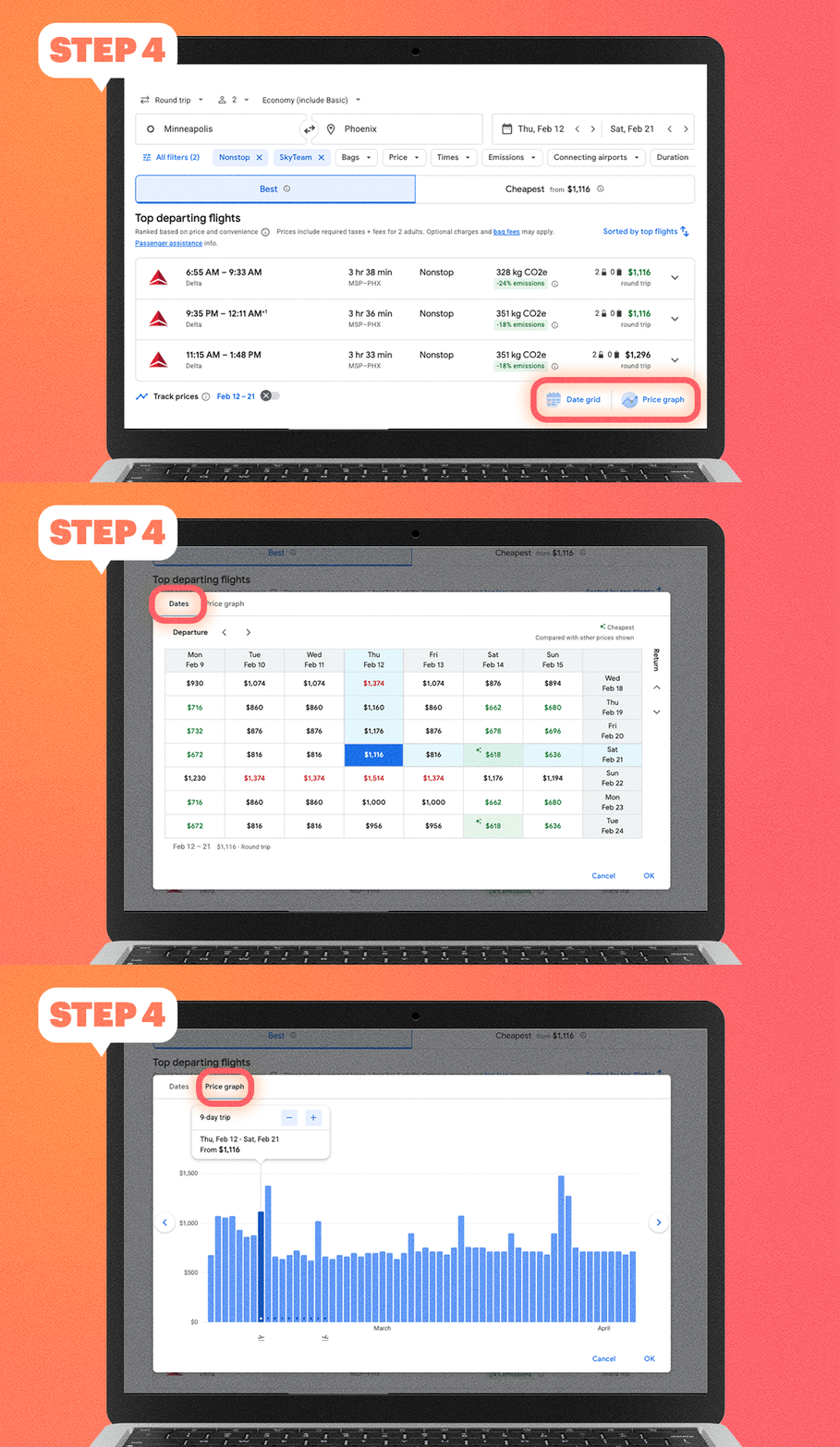
Step Four: Explore other features.
AARP (Getty Images, Google)
4. If you like, explore some of the additional features that help you decide on flight timing, including:
- Date Grid: Day-to-day fare changes
- Price Graph: Future fare options

Step Five: Set fare alert.
AARP (Getty Images, Google)
5. Scroll down to Track Prices. Toggle the X to the right for either the dates you plugged in or “any dates,” if you have flexibility.
6. Congrats — your fare alert is set! You’ll receive regular email updates about fare changes. You can cancel the emails at any time.
For what it’s worth, Gurung set the alert, booked the cheap flight and is motivated to do it again.
Honestly, it’s so easy. Like money in the bank.

AARP Membership
Join AARP for only $15 per year with automatic renewal. Get instant access to members-only products and hundreds of benefits, a free second membership, and a subscription to AARP The Magazine.

More From AARP
Hotels Give Out Freebies, if You Know How to Ask
A little kindness can get you complimentary room upgrades, meals, alcohol and more
Are Travel Advisers Worth It? Get Help Deciding
A travel agent can provide local insight and trip support, but they aren’t for everyone
25 Great Ways to Upgrade Your Vacation for Less
Small enhancements can make a trip feel even more special