
AARP Hearing Center









































5 Signs a House May Turn Into a Money Pit
Buying a home? Look for these red flags before making an offer
4-minute read

AARP (Getty Images, 6)
Key takeaways
- Skipping a home inspection to strengthen a purchase offer can leave buyers facing costly repairs after closing.
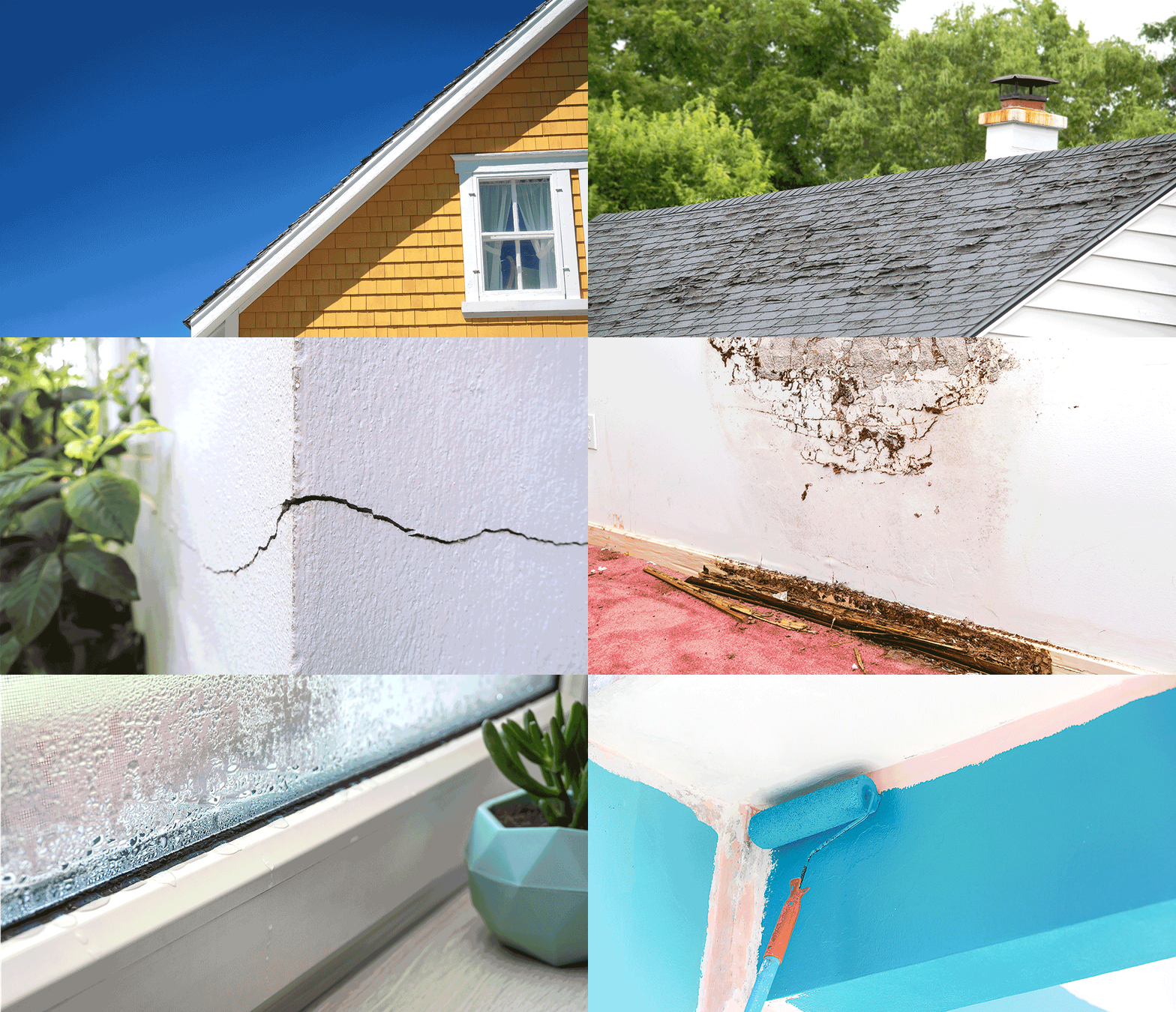
- Experts say prospective home buyers should watch for signs of roof, foundation, termite and water damage.
- Property disclosure laws require sellers to disclose known issues, but inspections can help uncover problems that may be missed.
Whether you’re looking to downsize or buy a bigger place, finding an affordable home can be a challenge amid today’s stubbornly high mortgage rates and rising home prices. Eager home buyers may be willing to skip a home inspection to make their bid more competitive. That could be a regrettable decision if the home turns out to be a money pit.
A house can look beautiful on the surface but have significant issues that aren’t obvious during a showing. Fresh paint or new flooring can conceal problems with the foundation, roof, electrical system, plumbing, drainage or other major components of a home, says Lisa Alajajian Giroux, president of the American Society of Home Inspectors and owner of HomeQuest Consultants in Milford, Massachusetts.
More Ways to Benefit
- Related Benefit 1
- Related Benefit 2
- Related Benefit 3
- Related Benefit 4
- Related Benefit 5
“I’ve seen firsthand what happens when buyers feel pressured to waive or limit an inspection in a competitive market,” says Alajajian Giroux. “My advice is that even when the market is moving quickly, buyers should never stop doing their due diligence.”
The last thing you want is to shell out thousands, or tens of thousands, of dollars to fix a cracked foundation or deteriorating roof soon after you receive the keys to your new home. A thorough home inspection — which costs between $296 and $424 on average, according to home services marketplace Angi — can help prospective buyers identify such issues.
In addition, “there are property disclosure laws in every state,” says Charles Furlough, president and CEO of Pillar To Post, a national home inspection company. “The law says sellers should tell you things they know they have issues with.”
Still, some sellers may be more forthcoming than others — or they may not be aware of property issues themselves. Here are five red flags that could alert you to potential problems.
1. Aging roof
The typical lifespan for a roof is 20 to 30 years, but even newer homes can have roof problems that may require costly repairs or replacement. Roof repairs range from $395 to $1,967 on average. A new roof costs on average $5,902 to $13,376, according to HomeAdvisor, a digital marketplace that connects homeowners with local service professionals.
You may not be willing or able to climb a ladder and inspect the roof up close, but you can check for missing shingles and clogged or broken gutters at a distance by using binoculars.
“For the parts of the roof that you can see, what does it look like?” says Furlough. “Do you see shingles curling up on the edges? What’s the overall condition?” Inside the home, check for sagging ceilings and watermarks.
If something doesn’t look right, consider getting an inspection by a licensed roofing contractor.
2. Faulty foundation
Left unchecked, foundation issues can become expensive to repair and present safety issues. Even minor foundation cracks can cost a few thousand dollars to fix, while structural repairs involving bowed walls, settlement, underpinning or excavation can run anywhere from around $10,000 to $30,000, says Alajajian Giroux.
You won’t be able to assess the full extent of the problem unless you hire a professional home inspector, but there are signs you can look for to spot possible foundation problems, Alajajian Giroux says. While outside the house, “stand back and look at it from the roofline down to the foundation. Does everything appear straight, level and properly supported? Look at the windows, doors, chimney and roofline. If something looks out of alignment, there may be a reason for it.”
3. Termite traces
Termites feed on wood, causing an estimated $6.85 billion in property damage annually, according to the National Pest Management Association (NPMA). They can eat away at wood floors and your roof, and damage other wood structures, such as support beams.
Signs of termites include shelter tubes (pencil-width tunnels of soil that run along a home’s foundation), tiny holes in the wood and termite droppings, which look like sawdust.
“Termites are often called silent destroyers because infestations can go unnoticed for years,” warns Jim Fredericks, a board-certified entomologist and the NPMA’s senior vice president of public affairs. “A licensed pest management professional can identify subtle warning signs and detect termite activity early, helping homeowners avoid costly structural damage through regular inspections and proactive treatment.”

4. Wonky windows
When it comes to the mechanics of a home, windows aren’t complicated, but they’re often costly to repair or replace. A new window costs $850 on average, according to HomeAdvisor, but the price can vary widely depending on the material, size and whether it’s a new frame or retrofitted replacement.
The good news: Windows are easy to inspect on your own, says Furlough. Look for ripped screens, broken locks, condensation on the panes and gaps that let in drafts.
“You can tell an awful lot about the window just by opening it,” Furlough says. “Do they open smoothly, or do they feel like they are falling out?”
5. Water damage
Water damage can be expensive to address, especially if it leads to mold, rotted wood beams or a compromised foundation. “Signs of water damage can come from a lot of places — plumbing leaks, roof leaks, or it can seep into the foundation from the outside,” says Nick Gromicko, founder of InterNACHI, the International Association of Certified Home Inspectors.
To spot water damage, look for water spots or discoloration on ceilings, bulging walls, soft drywall or peeling paint. Also, trust your nose — if there’s a damp, musty or moldy smell, there could be water damage.

AARP Membership
Join AARP for only $15 per year with automatic renewal. Get instant access to members-only products and hundreds of benefits, a free second membership, and a subscription to AARP The Magazine.
More From AARP
25 Great Ways to Save on Home Fix-Its
Preventive acts and regular inspections you can do now to avoid expensive repairs later
Is Now a Bad Time to Downsize?
Consider these pros and cons before moving to a smaller home in today’s market
7 Home Tasks That Save You Money
Catch issues early, save on utilities, and extend HVAC lifespan