AARP Hearing Center



























Could It Be Sciatica? Symptoms Many People Overlook
Plus, steps you can take to help prevent this painful nerve condition
5-minute read


Cut It Out Design Studio
Key takeaways
- Sciatica occurs when pressure on parts of the sciatic nerve causes pain that often travels from the back into the leg.
- Many cases improve with home care, medication and physical therapy rather than surgery.
- Strengthening core muscles, lifting properly and maintaining a healthy weight may help reduce risk.
You’re playing tennis or walking around town, and suddenly you feel a shooting pain in your back. As you hobble home screaming in agony, you’re certain it’s sciatica. But while many people use the term to describe any lower back pain, the diagnosis is properly reserved for a condition involving a specific nerve, the sciatic nerve.
This nerve, the body’s largest, connects your lower back to your hips, butt and legs, according to the Cleveland Clinic. It’s formed by several nerve roots at the base of the back, and it branches off and runs down each leg. The nerve helps the hamstring, calf, foot and other muscles move. But when it is impaired, people feel pain not only in the back but also in the lower leg.
More Ways to Benefit
- Related Benefit 1
- Related Benefit 2
- Related Benefit 3
- Related Benefit 4
- Related Benefit 5
“Back pain is incredibly common, including from muscle spasms or arthritis,” says Dr. James Lin, an orthopedic surgeon at Mount Sinai Hospital in New York. But not all lower back pain is sciatica, he notes. “The moment the pain starts going down the leg, that’s when we consider sciatica,” he says.
Here’s what you need to know about this painful condition that affects 5 to 10 percent of people who experience lower back pain, plus the steps you can take to help prevent it.
Sciatica is caused by pressure on the nerve roots
Sciatica typically occurs when a spinal disc bulges and presses on a nerve root, or the place where nerves branch off the spinal cord. In other cases, the space around the spinal cord and spinal nerves gets narrower, which puts pressure on the nerve roots, triggering the pain.
This narrowing, known as spinal stenosis, happens more commonly as people age. Wear and tear on the spine with age can also increase a person’s risk for sciatica, the Cleveland Clinic says.
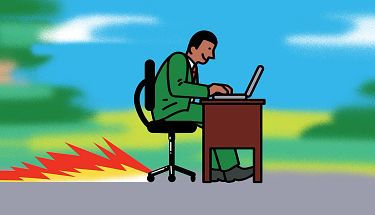
People who are overweight, have diabetes or who sit a lot (including in a car) are also more prone to sciatica, as are those who regularly twist their back while working, such as nurses or delivery drivers.
Pain is the chief symptom
The main symptom of sciatica, of course, is pain, typically running from the lower back to the butt and one leg.
“In some cases, people feel it only in the leg and not the back, even though it’s coming from the back,” says Dr. Jose Mena, a physiatrist at Baptist Health South Florida. Sitting, coughing or shifting into certain positions can make you feel worse.
Sometimes, the pain is so bad that people compare it to an electric shock. A recent patient of Lin’s was in so much agony, “he was bent over about 90 degrees because it hurt too much to stand up,” he says.
Some people with sciatica, though, experience other symptoms, including numbness, tingling or muscle weakness in the leg or foot. Many sciatica episodes resolve with basic home treatments. This commonly includes wrapping an ice pack in a towel and placing it on the lower back for 15 to 20 minutes at a time, then, after a few days, switching to a heating pad to increase blood flow to the area.
Just be sure to put a cloth between your skin and the heating pad and limit the time you use it to lower the likelihood of burns. Gently stretching can also help.
To relieve the pain, take over-the-counter pain relievers such as ibuprofen or acetaminophen or use topical pain-relieving gels or patches.
When you need to see a doctor
If the pain does not resolve after a few weeks with pain relievers and modified activity, or if it gets worse, make an appointment with your doctor and tell them exactly where you feel the pain and what activities make it better or worse.
A doctor will typically diagnose sciatica based on symptoms and an exam — they may watch you walk or whether you’re able to lift your leg without pain.
Some symptoms require urgent medical attention. Contact your physician immediately if you have severe symptoms like groin numbness, loss of bladder or bowel control, or significant leg weakness, which could indicate extensive nerve compressions or even a spinal tumor.
People are rarely scheduled immediately for an MRI test, unless they have severe leg weakness or other significant findings, Mena says. This imaging is generally reserved for later if pain doesn’t improve after a month or more of medical treatments.
People often worry when they see a doctor that they’re going to recommend surgery, but the vast majority of the time sciatica goes away with what Lin calls conservative treatment. This can include prescription muscle relaxants, spinal injections, oral steroids or stronger dosages of ibuprofen, along with a referral to a physical therapist, who can suggest exercises to improve strength and reduce nerve pressure.
“To really treat the condition, we need to strengthen the core muscles so when the patient is active, those muscles are engaging and protecting the back,” Mena says.

An injection of steroid medicine around the spinal nerves can dull the pain. These injections are only mildly effective, a review of 25 studies found, and the results don’t last. Still, they can help someone in agony temporarily feel well enough to function, Mena says.
When sciatic pain is long-lasting or recurs, practitioners sometimes suggest oral anticonvulsant medications or injected compounds such as magnesium, botulinum toxin (Botox) or steroids mixed with ketamine. But these are not proven remedies according to high-quality research, scientists reported last year in The Journal of Pain.
Surgery is a last resort
Surgery to remove a disc bulge or to widen the spinal canal is reserved as a final step, when all other conservative treatments are not sufficient. The goal of surgery, Lin says, is to remove the underlying compression.
Studies have found that in the short term, surgery offers fast pain relief, but a year or so later, people who continue with conservative care achieve similar results, researchers reported this year in the journal Brain & Spine. People who have chronic sciatica are more likely to see a meaningful benefit from surgery.
A discectomy — surgery to remove part of a disc that presses on a nerve — can be done in a minimally invasive manner. Patients generally go home the same day, Lin says, and spend four to six weeks recovering — or longer if it’s a more severe case.
Steps to help prevent sciatica
It’s not always possible to prevent sciatica, and in some cases, people get it repeatedly. This is especially the case for people over 40, whose discs are more prone to degeneration, the Cleveland Clinic says. Still, it’s important to do all you can to protect your back. This includes:
- Keeping the core strong. Exercise regularly, taking extra care to strengthen muscles in the abdomen and lower back.
- Sitting as nature intended. Maintain the back’s normal curvature by pressing the buttocks against the back of the chair. For chairs without lower-back support, place a small pillow or rolled towel in the small of the back.
- Lifting objects with care. Use your legs, not your back, when raising or lowering heavy items, including weights at the gym — and don’t twist while lifting.
- Maintaining a healthy body weight. Extra weight puts added pressure on the spine, Mena says.
Getting sciatica is never fun, but it doesn’t have to sideline you.
“We have the technology now where, if you have these pains, you don’t have to suffer,” Lin says. “There are a lot of treatments that can greatly improve your quality of life.”
The key takeaways were created with the assistance of generative AI. An AARP editor reviewed and refined the content for accuracy and clarity.

AARP Membership
Join AARP for only $15 per year with automatic renewal. Get instant access to members-only products and hundreds of benefits, a free second membership, and a subscription to AARP The Magazine.
More From AARP
Eat to Ease Pain: 11 Smart Diet Tips
Foods that fight pain—and ones to skip
10 Effective Ways to Help Relieve Pain
In his new book, Sanjay Gupta reveals tips for living with chronic pain
Pelvic Tilt: A Safe Exercise for Back Pain
Strengthen your core with pelvic tilt for back relief