




AARP Eye Center















































AARP Wyoming
Your source on health care, retirement & utility issues in Wyoming

MAY 1, 2024
After multiple years of double-digit property tax increases for some in Wyoming, property tax relief was at the forefront of Wyoming Legislators' minds during the 2024 Legislative Session. In the end, four bills were passed into law, which will strongly impact Wyoming’s homeowners.
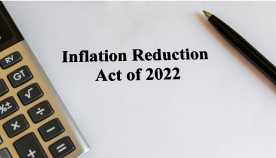
The names of the first 10 Medicare drugs whose prices the federal government will negotiate directly with manufacturers were released Aug. 29. Popular but pricey blood thinners, diabetes medications, cancer treatments make historic list.
View the latest information and articles from AARP Wyoming.
MAY 1, 2024
AARP Wyoming and Senior Planet, the flagship program of Older Adult Services (OATS) will host a series of online technology courses this summer. The classes move at a moderate pace so anyone can follow along, says Senior Planet trainer Johnny Hernandez.

AARP Wyoming is hard at work planning our 2024 Outreach Calendar. This year, we're focused on fighting fraud, supporting caregivers, and helping veterans navigate their benefits.

Did you miss our recent events? No worries! You can catch up by watching the recordings below. Dive back in and relive the excitement at your own pace!

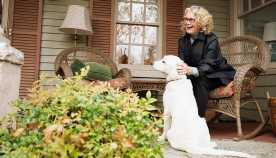
Germaine St. John, 89, recalls “feeling pretty sorry for myself” in March 2020 as COVID-19 shutdowns took effect and isolation set in.

A Walk Audit is an activity in which participants observe and evaluate a location's walkability to identify and document whether and how pedestrians can safely travel along a street, navigate an intersection, get from Point A to B to C, and so on.

Patricia, who began Volunteering with AARP Driver Safety in 2017, was part of a group dedicated to rebuilding Driver Safety in Wyoming after a two-year hiatus due to the COVID-19 pandemic.

Wyoming: Find upcoming election dates, registration deadlines and options for voting, such as absentee or early voting, or voting with a disability.

Write to Wellness is a reflective and creative writing-based program, started by Flood and Daly, that shares diverse writing practices grounded in current research on the benefits of expressive writing for wellness, engagement, and productivity.

The event is free to all, regardless of age or AARP affiliation, but it is asked that you register for the event by going to events.aarp.org/sheridanshred or calling 1-877-926-8300.

Stay one step ahead of identity thieves by shredding personal and financial documents. Bring up to four large boxes of paper for shredding.
Stay one step ahead of identity thieves by shredding personal and financial documents. Bring up to four large boxes of paper for shredding.
Search AARP Wyoming

Connecting you to what matters most, like neighbors do. Find events, volunteer opportunities and more near you.
Sign Up & Stay Connected
Sections
About AARP Wyoming
Contact information and more from your state office. Learn what we are doing to champion social change and help you live your best life.