



AARP Hearing Center




















































Learn how the Brain Docs recommend protecting brain health in midlife by monitoring hearing, blood pressure, cholesterol and blood sugar.
Key takeaways
- Protect hearing early since hearing loss may increase dementia risk over time.
- Monitor blood pressure regularly to support thinking skills and brain health.
- Lower LDL cholesterol through fiber-rich foods to help protect the brain.
- Reduce added sugars and manage glucose levels to support cognitive health.
Summary
Drs. Ayesha and Dean Sherzai emphasize that small, consistent habits can support long-term brain function. Regular health screenings, healthy dietary choices and attention to cardiovascular health may help reduce risk factors associated with dementia and support healthy aging.
Ayesha and Dean Sherzai emphasize that small, consistent habits can support long-term brain function. Regular health screenings, healthy dietary choices and attention to cardiovascular health may help reduce risk factors associated with dementia and support healthy aging.
The key takeaways and summary were created with the assistance of generative AI. An AARP editor reviewed and refined the content for accuracy and clarity.
Full transcript
[0:00:00] Ayesha Sherzai: Changes linked to dementia can begin in the brain 15 to 20
[0:00:04] years before any memory problems show up.
[0:00:07] Dean Sherzai: Like your vehicle, your brain may seem to be operating fine, but when you look under the hood, you could discover problems.
[0:00:13] Ayesha Sherzai: Fortunately, your brain also responds best to interventions during midlife.
[0:00:18] So once you hit your 40s, it’s time for a tune-up to optimize function and performance.
[0:00:24] Here are our top tips to help tune up your brain health.
[0:00:27] Dean Sherzai: Number one, lower the volume.
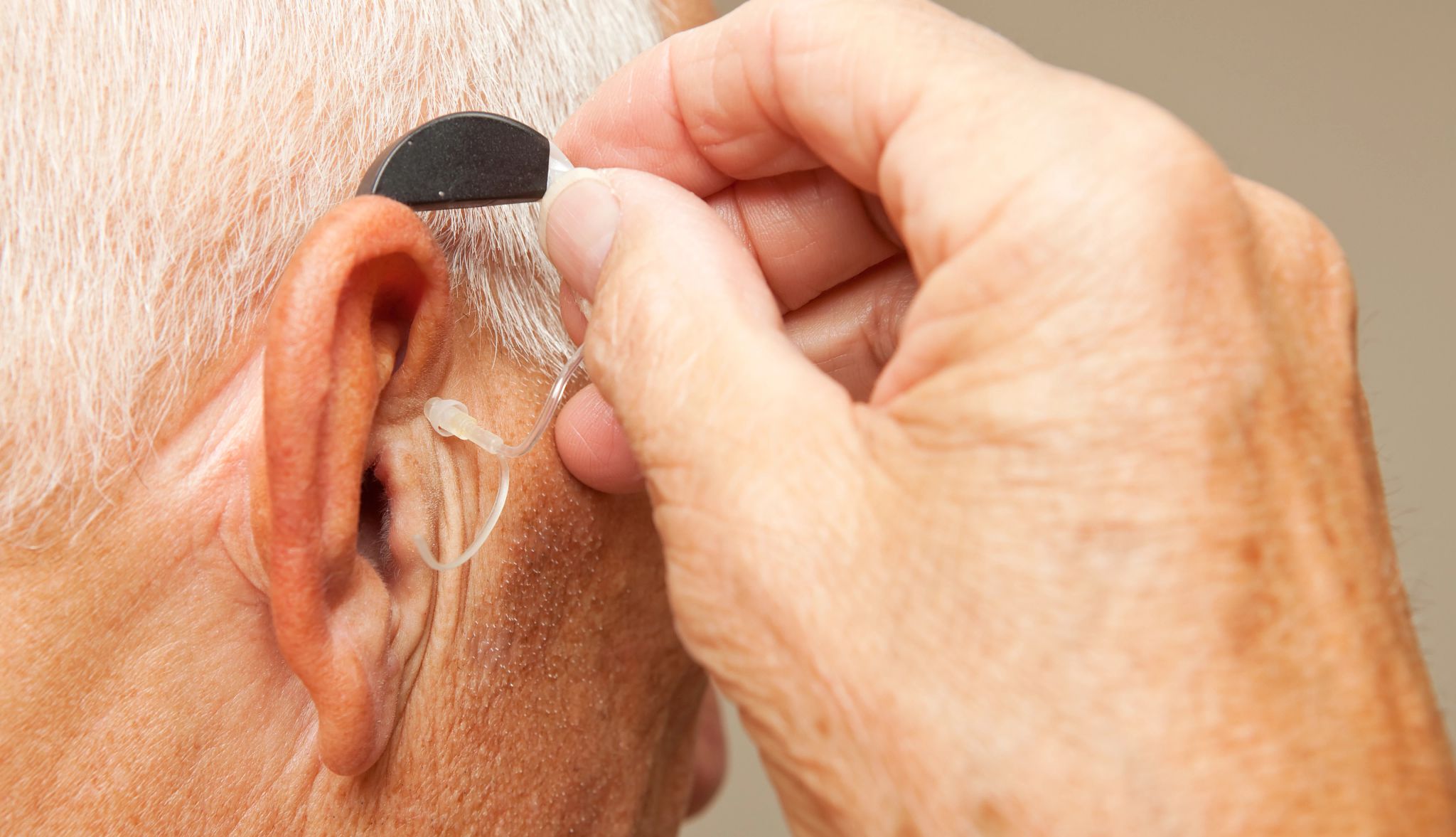
[0:00:29] Ayesha Sherzai: Hearing loss has a direct connection to dementia, so it’s essential to protect your hearing.
[0:00:35] Dean Sherzai: An easy way to preserve your hearing is to keep the device at 60% volume and try not to creep above that. Some devices even have a setting where you can be alerted if the sound around you or in your earphones is too high.
[0:00:48] Ayesha Sherzai: With hearing loss, the brain has to work harder to process the muffled sounds coming into the ear, which could mean that there’s less resources to preserve memory abilities and thinking.
[0:00:58] Dean Sherzai: And when people can’t hear, they often pull away socially, which is also bad for your brain health. So keep the volume down.
[0:01:05] Ayesha Sherzai: And get your hearing checked. You can even take a hearing test through the AARP website.
[0:01:10] Dean Sherzai: Number two, monitor your blood pressure.
[0:01:12] Research shows that people with high blood pressure in midlife have a greater decline in key thinking skills.
[0:01:18] So track your numbers and make sure your doctor checks you annually as well.
[0:01:22] Ayesha Sherzai: The American Heart Association recommends you start checking your blood pressure when you’re 20, but if you’re older than that, now is the best time to do it.
[0:01:30] Dean Sherzai: We recommend you buying a blood pressure monitor like this one to gauge your numbers monthly.
[0:01:35] Ayesha Sherzai: And keep a journal with results to share with your doctor at your next appointment.
[0:01:38] This way, they have an average number to look at and not just one number from your yearly checkup.
[0:01:43] Dean Sherzai: Number three, keep cholesterol at bay.
[0:01:46] Ayesha Sherzai: And one key way to do that is with easy dietary habits.
[0:01:50] High LDL cholesterol can increase dementia risk.
[0:01:53] Managing cholesterol levels is very important to reduce that risk, especially starting in your 40s.
[0:01:59] Dean Sherzai: You can lower your LDL, also known as the bad cholesterol, by eating fiber in the forms of whole grains, vegetables, fruits, legumes, nuts and seeds.
[0:02:09] Ayesha Sherzai: To get that fiber, a life hack of mine is to add a tablespoon of ground flax seeds to foods I already eat, like oatmeal.
[0:02:16] Flax seed is filled with omega-3 fatty acids that supports overall brain health.
[0:02:21] I also love to whip up a homemade salad dressing with flax seed in it as a simple way to reduce cholesterol.
[0:02:28] Dean Sherzai: Doing little things to improve your LDL is vital because high cholesterol can damage the lining of the blood vessels that feed the brain.
[0:02:35] It can also contribute to the formation of the harmful protein found in Alzheimer’s.
[0:02:39] Ayesha Sherzai: So managing your LDL protects the brain from both sides, the plumbing and the cells.
[0:02:45] Try to eat a healthy dietary pattern, and always request to have your cholesterol tested when you see the doctor for a checkup.
[0:02:51] Dean Sherzai: Number four, keep blood sugar low.
[0:02:54] Ayesha Sherzai: High blood sugar can damage the tiny blood vessels in the brain, and research shows that it’s one of the strongest risk factors for dementia.
[0:03:01] Dean Sherzai: So cutting down on added sugar and finding healthy sweet substitutes for your desserts keeps your blood sugar in check.
[0:03:08] Ayesha Sherzai: I used to have a real sweet tooth.
[0:03:09] Dean Sherzai: Yes, you did.
[0:03:11] Ayesha Sherzai: So I changed how I bake rather than trying to white-knuckle it.
[0:03:14] I swapped granulated sugar for dates, which are natural sweeteners loaded with fiber.
[0:03:19] Dean Sherzai: And they still satisfy the craving.
[0:03:20] Ayesha Sherzai: They sure do. The fiber is doing the real work here.
[0:03:24] It slows how fast your body absorbs the simple sugars, so you get a gentler rise in blood sugar than a spike.
[0:03:30] Dean Sherzai: Be sure to get a blood glucose test when you visit your doctor as well.
[0:03:34] For most people, a yearly check-in is all that’s required.
[0:03:37] Ayesha Sherzai: Please don’t wait until the check engine light flashes on. Start working on your brain tune-up today.
[0:03:43] Dean Sherzai: And just like your vehicle, if something seems off, get checked by a medical professional.
[0:03:48] Ayesha Sherzai: Absolutely. Because unlike your car, your brain is the only one you’ll ever own.
[0:03:53] So keep it driving well for years to come.
[0:03:56] For more information on brain health, go to aarp.org/brainhealth.


