WATCH THE NASCAR RACE ON SUNDAY – AND
CLICK HERE TO HELP END HUNGER IN AMERICA

Advertisement

Contests and
Sweeps

Southfork Ranch Travel Adventure Sweepstakes!

Enter now for a chance to win a Texas-sized prize pack. Do

politics & society
poll

Most Popular
Articles

Viewed

Recommended

Commented

Taking Stock of Woodstock, 40 Years Later

The legendary music festival created a shared moment that today’s young people will recognize

  • Text
  • Print
  • Comments
  • Recommend
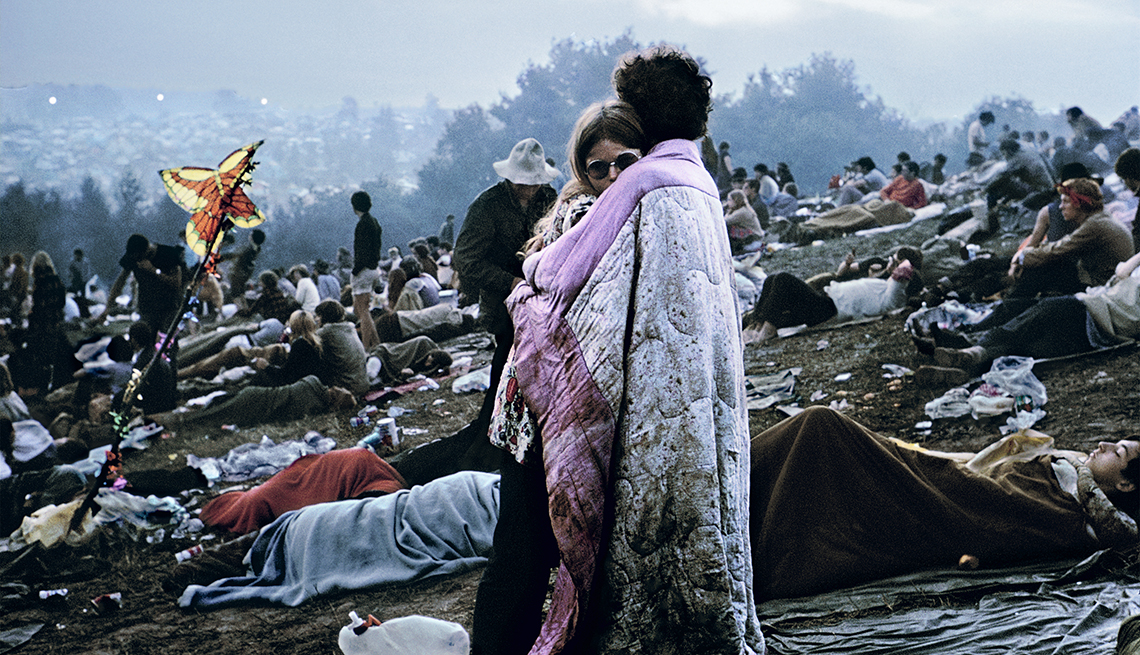
Woodstock

— Photo by Burk Uzzle/Courtesy Laurence Miller Gallery, New York

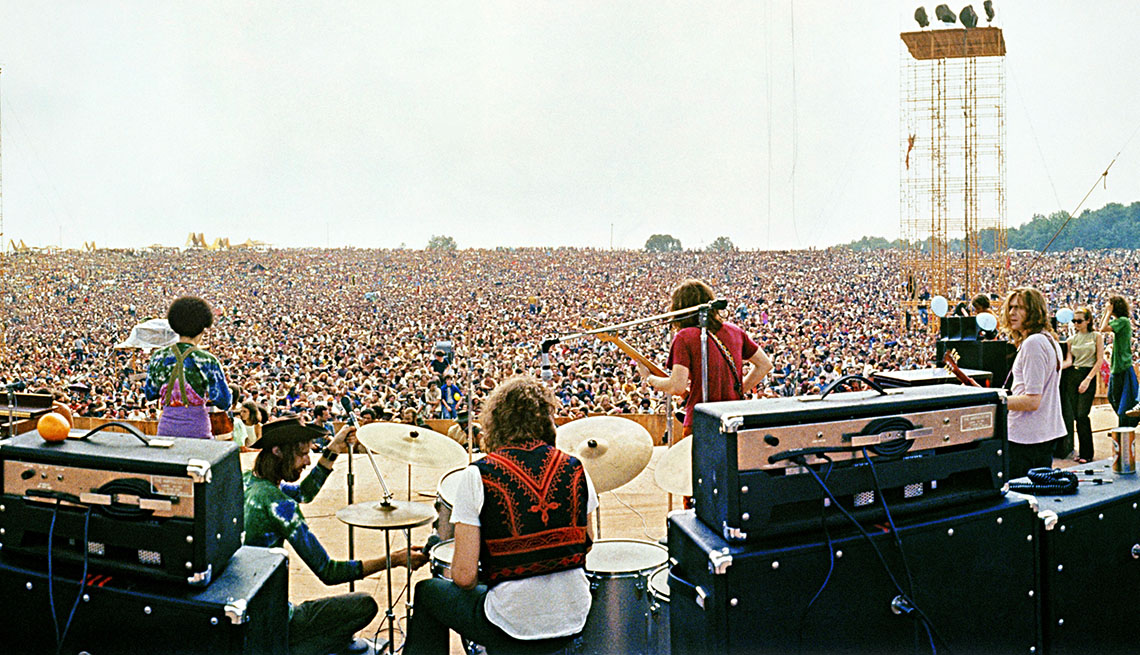
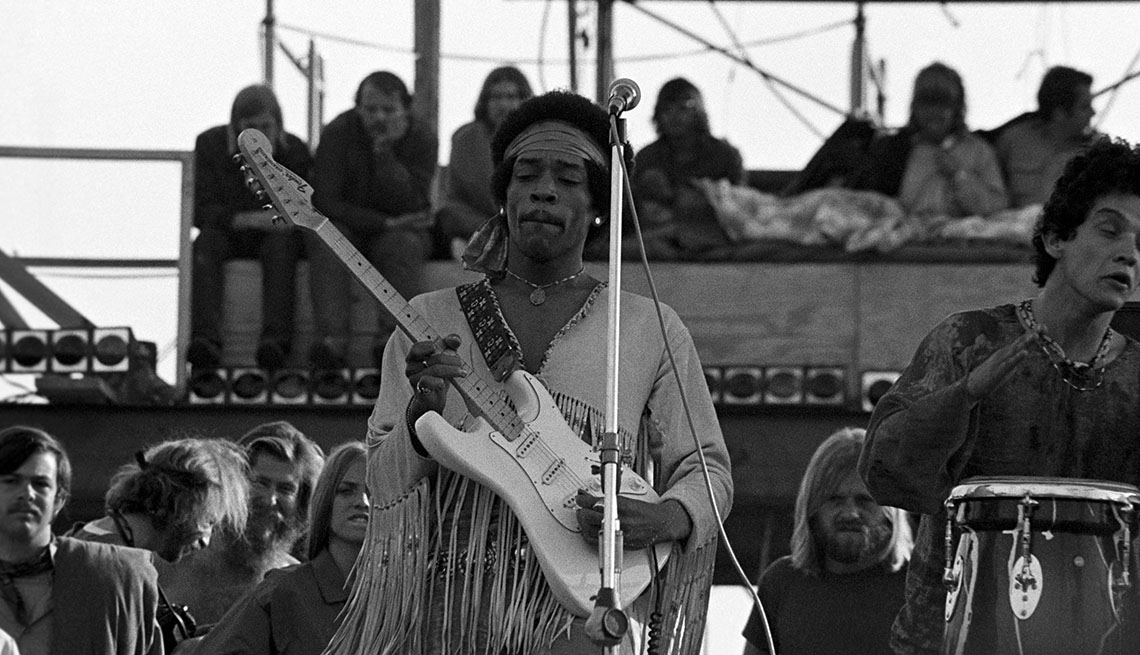
"Woodstock changed my life!" I've heard that phrase a lot lately--from folks who worked at the storied 1969 festival to musicians who played on its massive 75-foot stage to some of the hundreds of thousands who journeyed to rural Bethel, N.Y., that weekend of Aug. 15-18. I've even heard it from fans--like me--who only experienced it vicariously by watching the Oscar-winning 1970 documentary, Woodstock. The Woodstock Music and Art Fair made massive headlines 40 years ago, and now this summer it has returned once again to our consciousness.

Appearing at bookstores and arts conferences with Michael Lang, one of the festivalss producers with whom I wrote the new book The Road to Woodstock, I get to listen to people pour out their hearts about what the festival means to them. Those who made it to Woodstock get a faraway look, and they reminisce about hearing Richie Havens kick off the weekend on Friday afternoon or being swept away by Sly & the Family Stones funk groove late Saturday night. They remember sharing food or a toke, or laugh about maneuvering the crowded roads on a bicycle or sliding in the mud. For these people, Woodstock means membership in a community of veterans of a once-in-a-lifetime gathering.

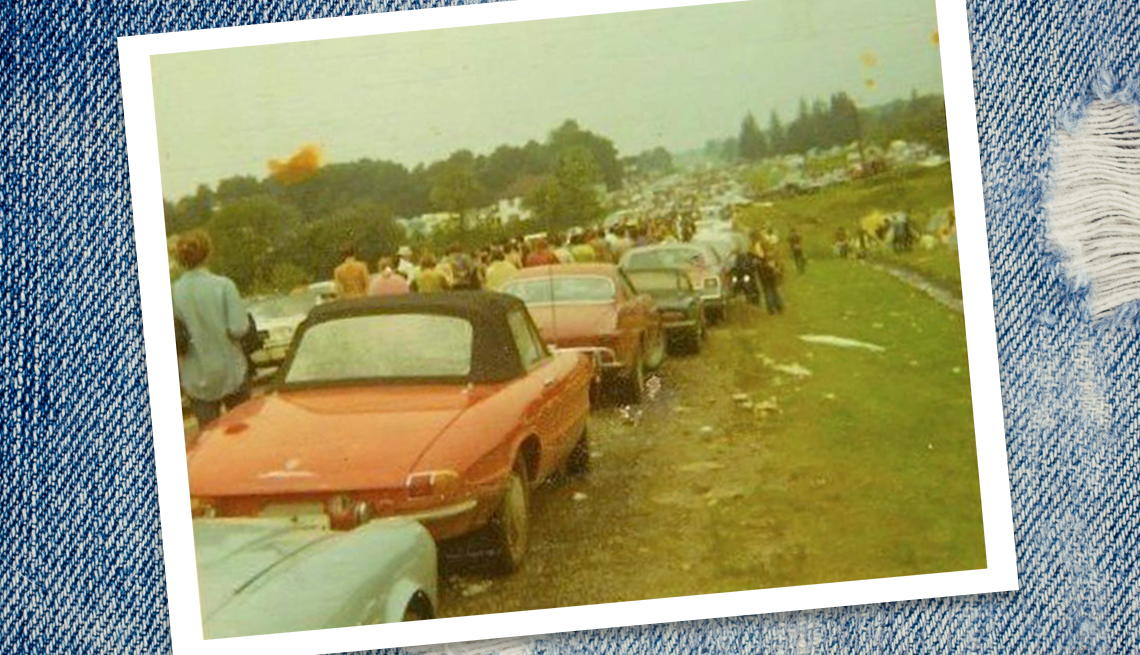
Some were about my age that summer of '69--12 or 13 years old--and couldn't travel to Max Yasgur's dairy farm in the Catskill Mountains. Others complain that their parents wouldn't let them go, or that they got stuck in the massive traffic jam that ultimately closed the New York State Thruway for a time. Many who couldn't be there feel solidarity with those who were--and I think we all ache to hear the stories of what we missed. Lang has said, "What means the most to me is the connection to one another felt by all of us who worked on the festival, all those who came to it, and the millions who couldn't be there but were touched by it."

But what does Woodstock mean to the rest of us, those who have listened to the music, watched the film and witnessed the anniversary's proliferation of Woodstock-related merchandise--from limited-edition photographs to beach towels? Rolling Stone, in a 2004 special issue The 50 Moments That Changed the History of Rock & Roll, pointed out that "Woodstock pulled off the ultimate magic act of the 1960s: turning utter rain-soaked chaos into the greatest rock festival ever and the decade's most famous and successful experiment in peace and community." That it happened once gives hope that such events can happen again.

It does seem a miracle now that so many people came together under pretty primitive conditions, deluged by rain and short on food, yet peacefully coexisted. You can also see the beginning of things that today we take for granted: The Hog Farm commune, who helped organize the campgrounds and operate the free kitchens and bad-trip tents, helped introduce yoga and granola to the masses. The biggest political message was for peace, as the Vietnam War continued under President Richard Nixons command, but early environmental activism and animal-rights initiatives were also present at Woodstock.

"We realized we had the numbers," one festival-goer, then 16, told me. The whole world witnessed the youth of America becoming a voice for change; more cynically, marketers latched onto a new demographic that wanted to look and do things differently than the previous generation.

Way before the Internet, the underground press helped to spread the word about the festival and draw people there from all over the country, when it was rare for people to travel thousands of miles to attend a music event. Deadheads (who turned Grateful Dead tours into roving Woodstocks), todays followers of jam bands, and fests like Bonnaroo definitely were inspired by Woodstock.

Tell Us WhatYou Think

Please leave your comment below.

You must be signed in to comment.

Sign In | Register

More comments »

Election 2012 Updates

Latest Delegate Count

Updated: May 22, 2012, 2012

Republican (1,144 needed to win)

Mitt Romney 1065
Ron Paul 119

Democratic (1,214 needed to win)

Barack Obama Unopposed

Delegate counts provided by the Associated Press

Discounts & Benefits

Note to see lawyer

Members receive a free, 45-minute consultation with Legal Services Network from Allstate.

Homeowners Insurance

Members can protect their largest asset and its contents with AARP® Homeowners Insurance Program from The Hartford.

ADT Home Security

Business owners save on NEW installation via ADT Security Services, Inc. Small Business.

Member Benefits

Members receive exclusive member benefits & affect social change. Join Today

Being Social

Featured
Groups

Politics — Current Events

Speak out on the issues and controversies of the day. Discuss

Issues & Elections

Civil, bipartisan discussions of today's issues and topics of national interest. Discuss