50 Ways to Make a Difference
By: AARP Outreach & Service | Source: AARP.org | Date Posted:
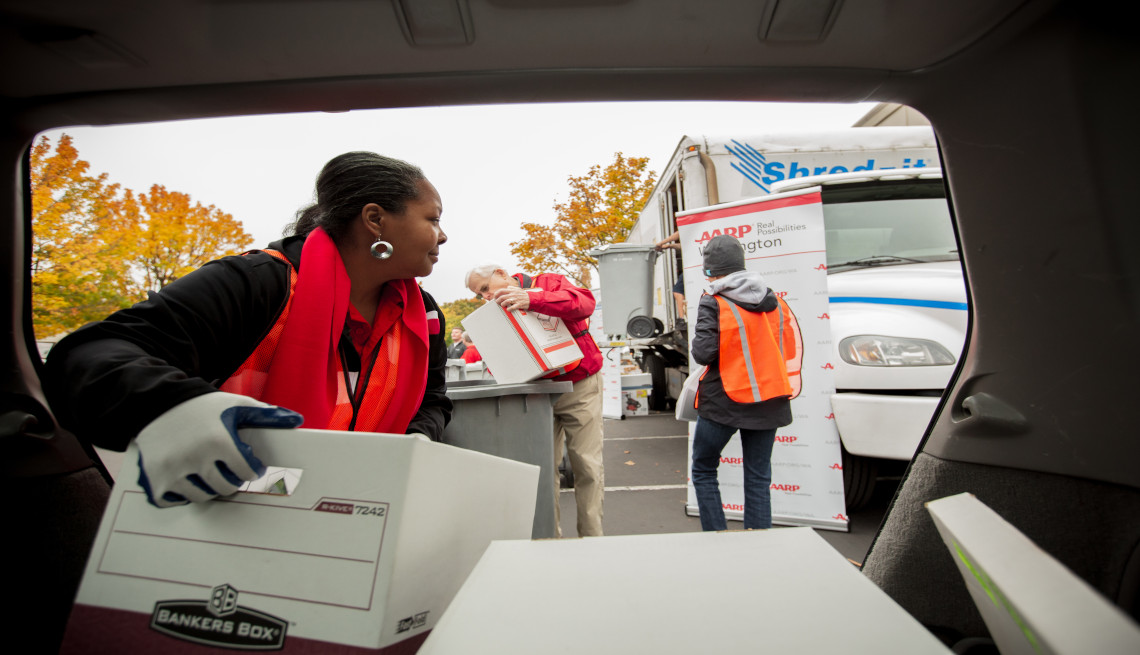
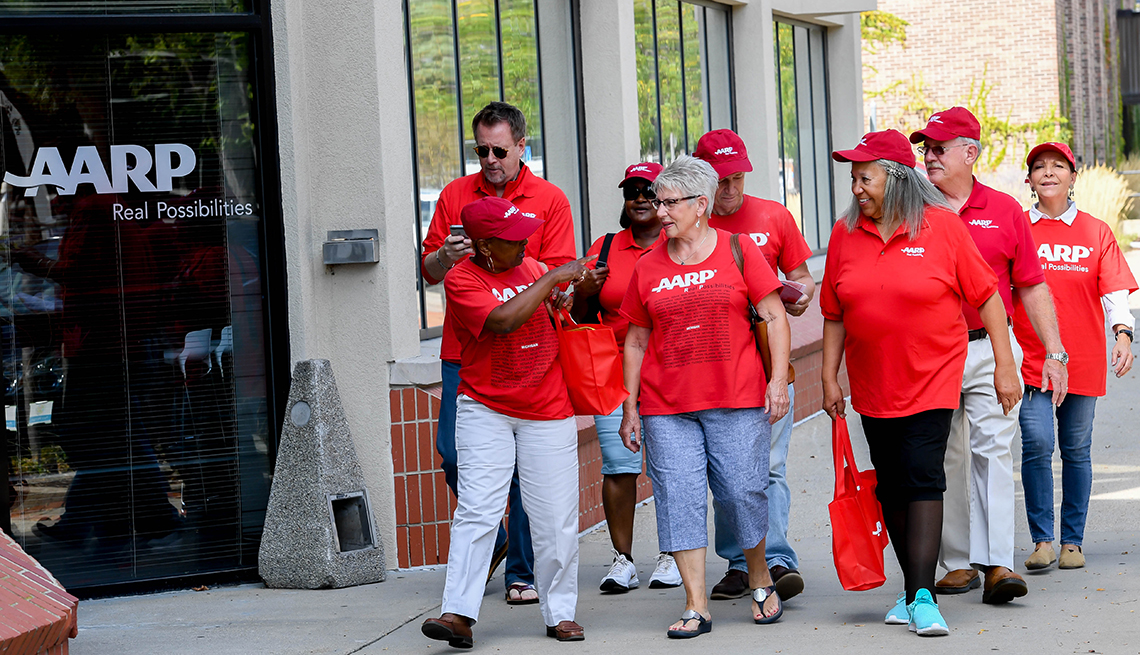
Join us on May 8, 2008 for AARP's Eighth Annual Day of Service. On this day, we hope you'll join thousands of people around the country to make a difference in local communities.
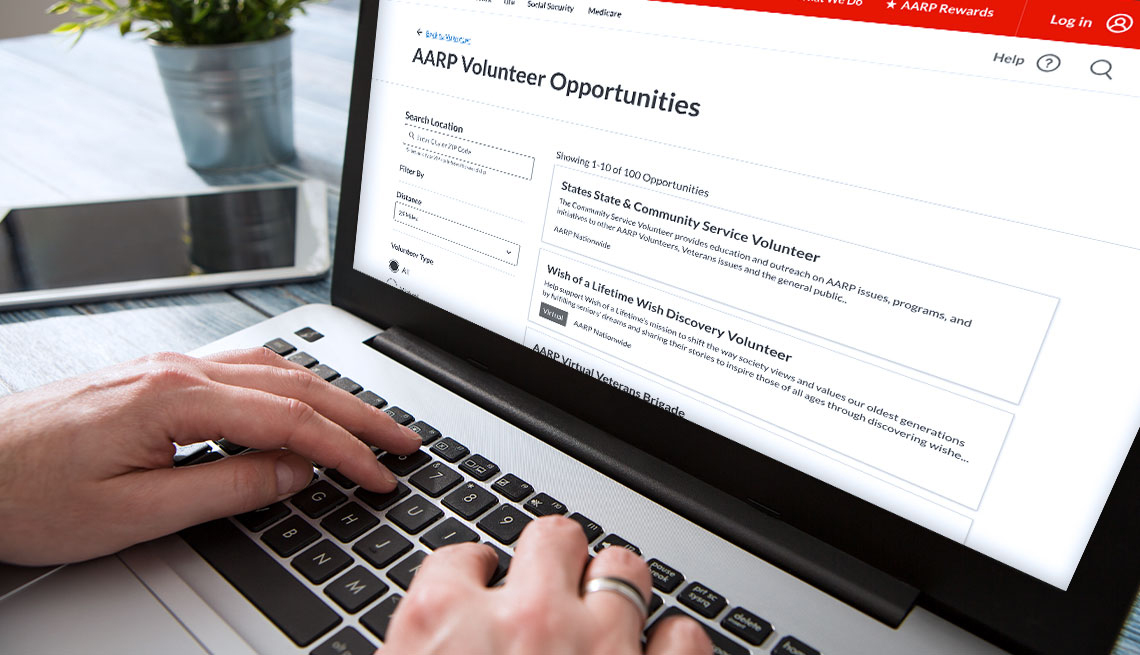
We created "50 Ways to Make a Difference" in honor of AARP’s 50th Anniversary. Of course, you can also pick your own project. There are plenty of ways to help—either by clicking the mouse, helping a neighbor, or volunteering for a nearby organization.
Financial Security & Work
1) Help a friend fill out our Retirement Calculator.
2) Distribute the Grow Your Money seed packets at your garden club meeting.
3) Tell five friends to sign up for the do-not-call list online or by calling toll-free, 888-382-1222
4) Put a notice in your community association's newsletter about how easy it is to call toll-free, 888-5-OPT-OUT, to cut back on unsolicited credit offers.
5) Put a stack of the "Money Matters Tip Sheet" order forms at your local library.
6) Talk to your minister about including "Money Matters Tip Sheets" as inserts in your monthly church newsletter.
7) Tell your neighbors how they can monitor their credit reports for identity theft by ordering one of the three free credit reports on a four-month cycle online.
8) Forward the information at http://www.aarp.org/splitrefund to anyone receiving a tax refund to encourage them to save part of the refund for retirement.
9) Help a Social Security beneficiary or veteran who didn’t need to file a tax return for 2007 file the appropriate form to obtain their stimulus payment.
10) Forward the Retirement Calculator at to friends who are wondering whether or not they are saving enough for retirement.
11) Help a neighbor who is bothered by telemarketing calls to install an answering machine and to use caller ID.
12) Preview the Lure of Money. Order a copy to show at a community meeting, where you can start a discussion about investment fraud.
13) Preview Mission Retirement and then send a copy to a friend who is planning to retire.
14) Assist an older friend, neighbor, or family member with developing a new résumé, preparing for an interview, or creating an e-mail account to post a résumé online.
15) Contact your library to see if you can hand out information about AARP's WorkSearch program, which helps job seekers 50 and older to find employment.
Livable Communities
16) Download a copy of 10 Easy Steps to Making Your Home Safer and More Comfortable. Post the information in church bulletins, senior centers, community centers, or adult day-care centers.
17) Talk to family members, friends, and neighbors about 10 Easy Steps to Making Your Home Safer and More Comfortable, and then make changes.
18) Conduct a home-modification workshop for neighborhood and civic associations using the "Volunteer Leader Guide for Conducting a Home-Modification Workshop," available through AARP state offices. Find your state office here.
19) E-mail a home-modification or universal design article or checklist to a friend or family member.
20) Organize a neighborhood group to do simple modifications on an older neighbor’s home. Help him or her "age in place."
21) Post information on how to test your driving skills in churches and on community bulletin boards.
22) E-mail "When-to-Stop-Driving Warning Signs" to family members to initiate tough conversations.
23) Create a group on AARP.org on how to have difficult conversations with older relatives about when to stop driving.
24) Conduct a local walking audit of your neighborhood.
25) Help people adjust their cars to suit their needs by organizing a Car Fit event in your community.
26) Ask your employer or former employer to host and underwrite a Driver Safety Program course for colleagues.
27) E-mail or tell a friend about an article on safe driving.
28) Share the "Close Call Quiz" with your friends.
29) Visit a homebound or elderly neighbor. Help with yard work, share a meal, or put new batteries in your neighbor’s smoke detector.
30) Get together with some of your friends to put on a bake sale benefiting a charitable organization in your community.
Caregiving
31) Tell a friend to watch "Caring for your Parents." Most PBS channels will air the documentary during prime time on April 2, 2008. Click here to read an article about the program. After that, click on "e-mail" to spread the word. Check with your local PBS Station for air dates and times.32) E-mail friends and family about the Caregiving channel on AARP.org. Be sure to visit our "Navigating the World of Caregiving" tool, which has such features as expert videos, checklists, and articles to share. You can click on "e-mail to a friend" from any topic.
33) Join AARP’s PBS Caregiving Special Online Community forum. Share your thoughts on the broadcast.
34) Order the "Caring for Those You Care About" CD-ROM. The disc provides 43 practical tip sheets to help caregivers with selecting home help, finding quality living arrangements, and navigating legal issues. Give a copy to the human resources director at work, to a leader in your faith community, or to any other person who can print and give the tip sheets to caregivers who need the information. If you prefer, order the paper version in a binder here.
35) Help caregivers find and apply for low- or no-cost programs that can help you or a loved one stay healthy, cover basic expenses (such as food, home heating, medical care, or prescription drugs), assist older relatives, and support children in your care.
36) Suggest the book "Caring for Your Parents: The Complete Family Guide," a complement to the PBS special, to your book group, interested people in your faith community, or a caregiver you know. Use our book discussion questions to get the conversation going.
37) Join with millions of other Americans to support candidates who will give us actions, answers, and accountability on health care and lifetime financial security.
38) Organize volunteer help for a family member or friend through Lotsa of Helping Hands.
39) Partner with a friend to visit a nursing home, where you can hand out gift packets together. Call ahead to find out what the residents need. Also request the number of residents and the best time to visit.
Healthy Behaviors
40) Invite a friend to join you and register for "Get Fit on Route 66."41) Order the "Physical Activities Workbook" and take a copy to your workplace to share with colleagues and your human resources department.
42) Read the "Health History" article and download the Personal Medication Record. Make copies for your loved ones, and help them fill the record out or take it to a nurse.
43) Talk to your spiritual leader about implementing a 10-week walking program using AARP's "Walking Program Guide."
44) Order a step counter or two as gifts for friends and family.
45) Give "Medicines Made Easy" to a friend or neighbor. It will help him or her with managing medications.
46) Form a walking group with your book club.
47) Organize a neighborhood walk-to-school group to accompany neighborhood children to school one day a week.
48) Order AARP's "Pocket Guide to Staying Healthy at 50+" and give to a loved one on Mother's Day or Father's Day.
49) Kick off a fitness challenge in your community. Organize a group of friends to walk around your local shopping mall on a regular basis.
50) Start a healthy-recipe exchange with a group of friends. You can do this in person, by mail or e-mail, or by starting an online community at AARP.org.


preview