WATCH THE NASCAR RACE ON SUNDAY – AND
CLICK HERE TO HELP END HUNGER IN AMERICA

Advertisement

Learning
Centers

Get smart strategies for managing health conditions.


Arthritis

Heart Disease

Diabetes

Most Popular
Articles

Viewed

Recommended

Commented

A Bike to Fit Your Life

Boomer demand spikes sales of two-wheelers designed for older riders

  • Text
  • Print
  • Comments
  • Recommend
 

The large hills looming between Lucy Rigg McAdams’ home and Lake Washington inside Seattle gave her the willies. The greeting card illustrator, 66, couldn’t pedal her trusty 20-year-old bike up a series of 500-footers that would deliver her downtown to run errands. She used to ride that bike up and down the hills of Switzerland in her 40s, but these days her legs, back and hips don’t have the strength they once did.

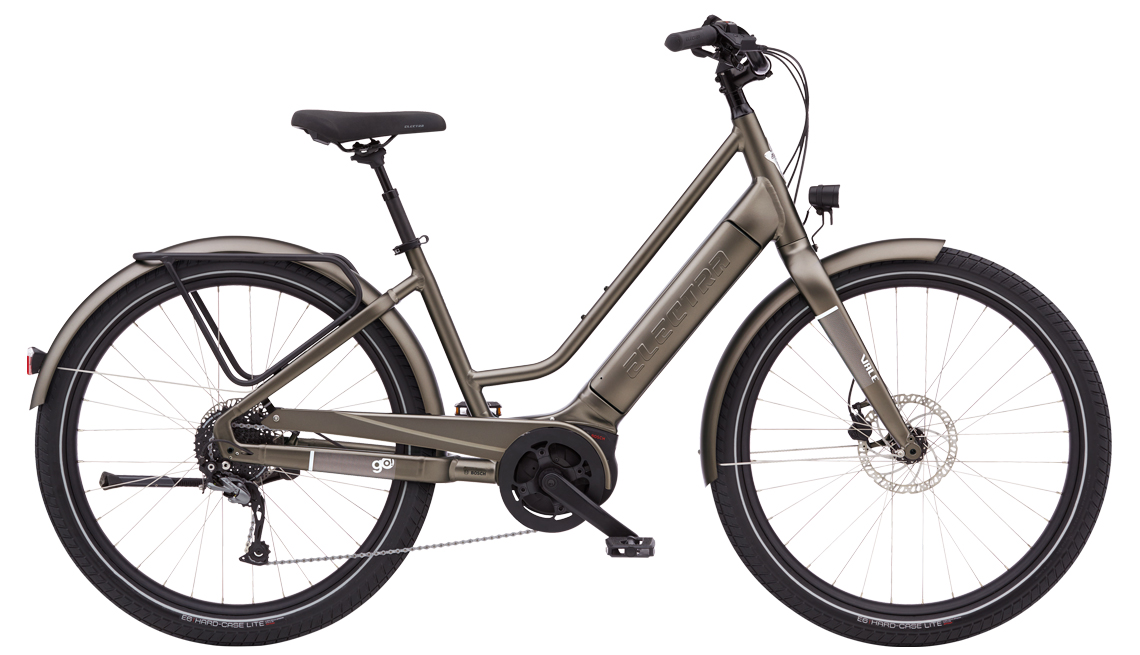
Help came this spring from a friend’s son, Wakefield Gregg, the owner of the recently opened eBike Store in Portland, Ore. He loaded eight pedal-assisted electric bikes in a van, drove 200 miles to her in-town address and let her test each one for sturdiness, comfort and speed.

His customer was astonished at what she saw and promptly surged up hills she once thought insurmountable.

A booming market

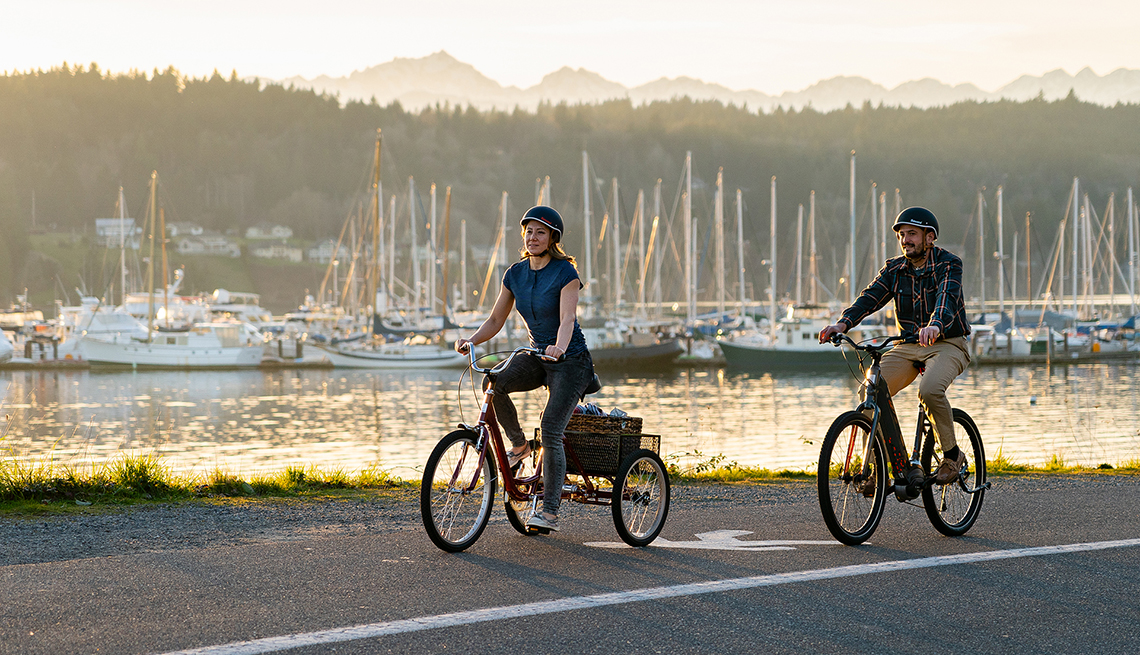
Rigg McAdams quickly found out what many other 50-plus Americans have been discovering—the U.S. bike market is now catering to their wants and needs. Many older bicyclists aren’t looking for sturdy mountain bikes designed for daredevils or racing styles for Lycra-clad hard bodies. Instead, they’re interests are piqued by the newer, more comfortable models broadly referred to as “lifestyle” bikes.

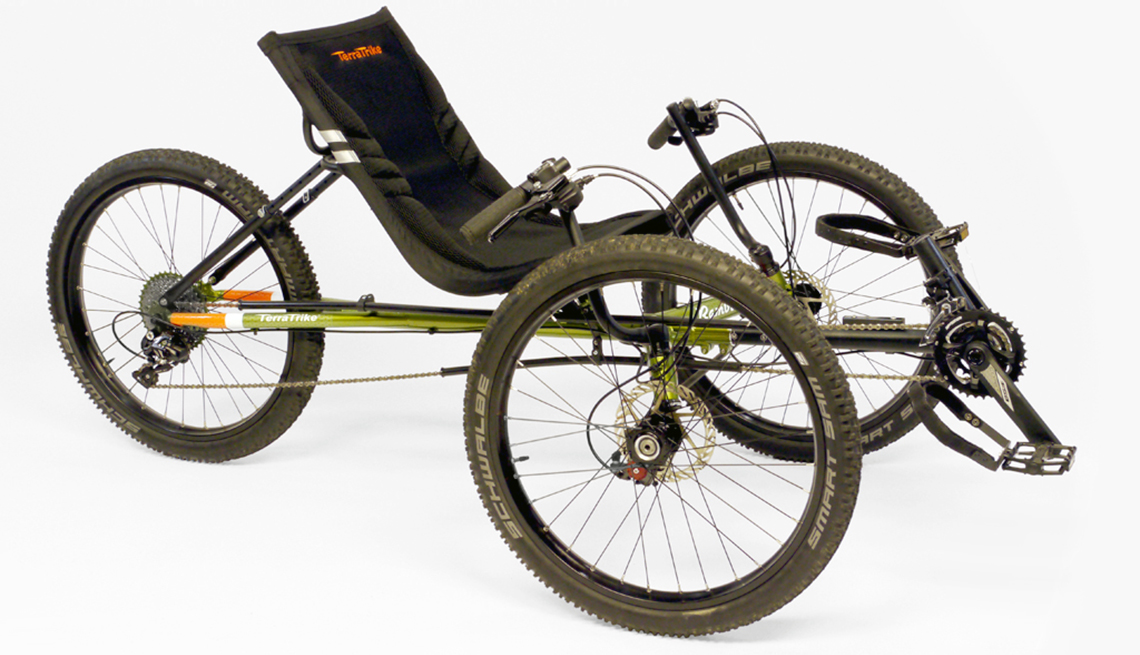
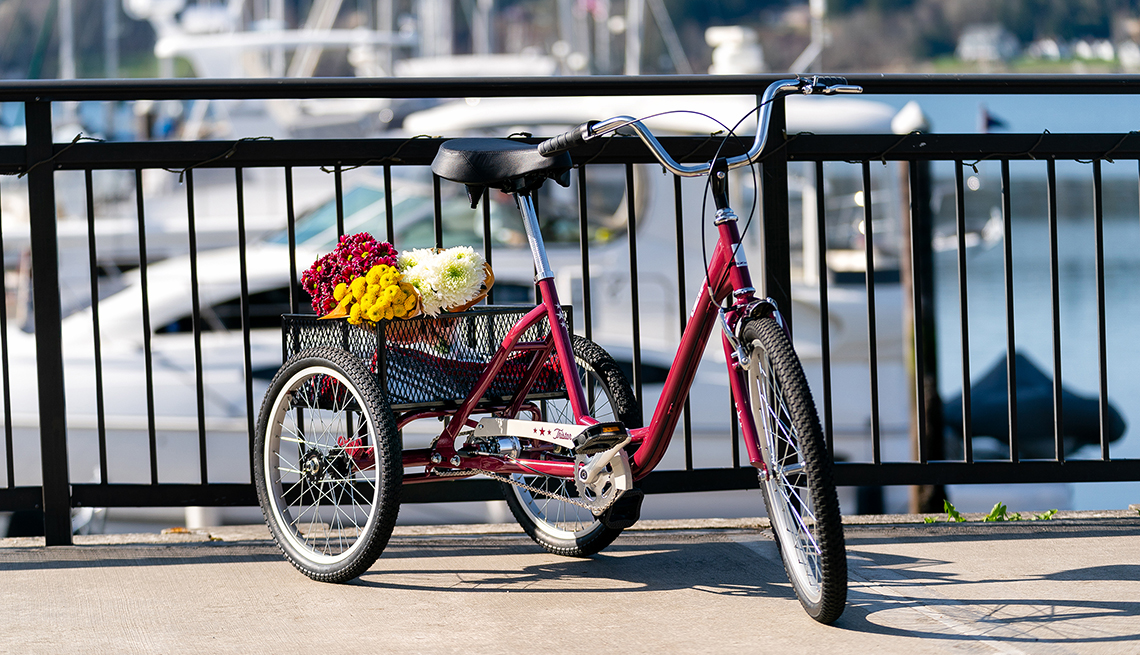
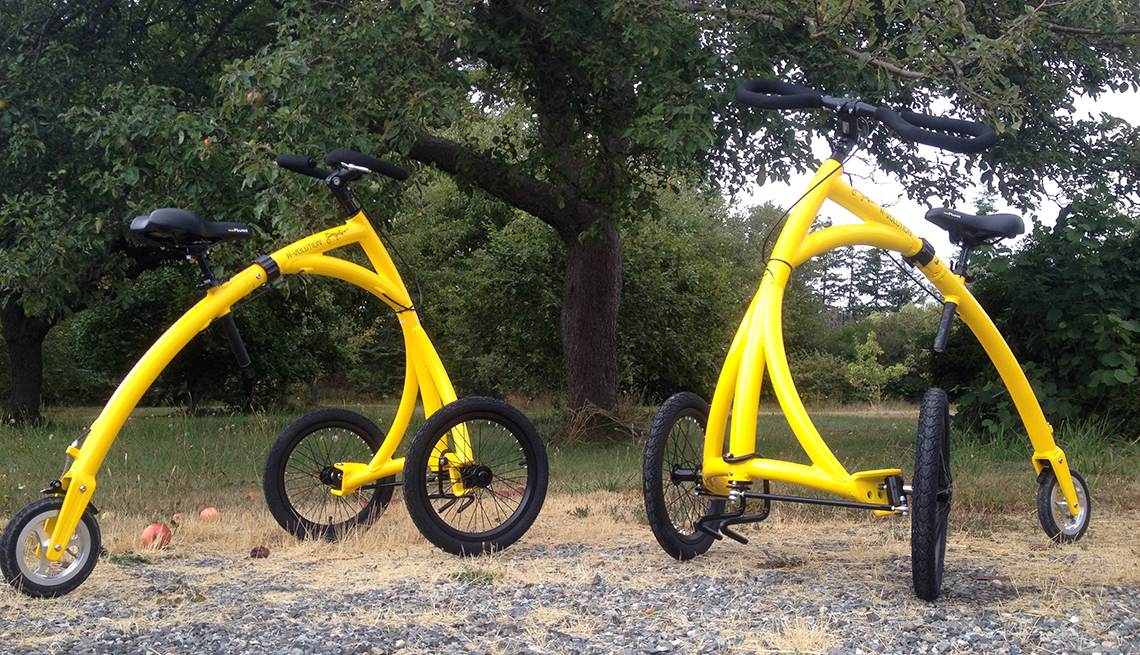
Lifestyle bikes boast features like padded seats for a soft ride; lower, U-shaped crossbars for trouble-free mounting; low gears for easy pedaling; and a sturdy, upright frame for balance. And some, like Rigg McAdams’ new $1,800 wheels, are power-assisted.

This interest has made such bikes the hottest category of two-wheeled transportation today. From an almost nonexistent market a decade ago, these lifestyle bikes now command a third of the 3.1 million bike sales anticipated in 2009.

But the most noteworthy shift in the market is who’s now riding bikes. “We’ve seen riders in the demographics between ages 9 and 29 plummet,” says Loren Snyder, spokesman for Cannondale USA in Bethel, Conn., citing figures from the Bicycle Products Suppliers Association. “But the number of baby boomers and older riders is skyrocketing. Since 1998, riders over 50 as a category has moved from 7 percent to 21 percent as of 2008.”

The rise of comfort

Bike manufacturers have paid particular attention to this trend, hoping to sprint ahead of the market. One of the early players, San Diego-based Electra Bicycle Company, introduced its revolutionary Townie as a European-style recreation bike in 2000. This revived English racer—an upright, three-speed bike that boomers rode in the 1960s—returned with adjustable handlebars and a fully upright frame in polka dots, stripes and neon colors. It helped carve a new market out of city dwellers and recreational cyclists seeking something fun to ride around the neighborhood and shopping districts.

Then came a major shift. In 2003, Shimano North America, the Irvine, Calif., gear and brake specialist, paired with IDEO, a Palo Alto, Calif.-based design firm, to research customers’ experience with cycling and their motivation to get back on the saddle. Their studies found adults had fond memories of riding bikes as kids but they didn’t take to the complicated and costly bikes in the stores.

Shimano teamed with other bike companies—Giant, Raleigh and Trek—to design a balanced bike that combined automatic shifting with pedals mounted toward the front tire so a rider can put both feet on the ground in a seated position. Some models also had dual shifters for faster, smoother pedaling and clear dials for identifying gears. Trek called its comfort line “Pure.” Soon, the category was adapted by other bike manufacturers, Fuji, K2, Phat, Sun and Jamis.

Boomers roll along

Two factors drive older adults’ demand for lifestyle bikes, according to Snyder. One, people are commuting more by bike to save money. In a recent book Pedaling Revolution: How Cyclists Are Changing American Cities, author Jeff Maples notes that city streets across America are filling up with more and a bigger variety of bikers. In Portland, Ore., for example, ridership is up 20 percent in the past four years.

  • Print

Tell Us WhatYou Think

Please leave your comment below.

You must be signed in to comment.

Sign In | Register

More comments »

Complete the Medicare and Social Security questionnaire now

Discounts & Benefits

Younger hand clasping older hand

Member access to caregiving support services with AARP® Caregiving Help and Advice from Genworth.

AARP Discounts on ACE Services

Members save 20% off on personal training and group fitness with American Council on Exercise.

Grandson (8-9) whispering to grandfather, close-up

Members save on hearing care with the AARP® Hearing Care Program provided by HearUSA.

Member Benefits

Members receive exclusive member benefits and affect social change. Join Today

Being Social

AARP
Bookstore

AARP Bookstore - woman reaches for book on bookshelf

VISIT THE HEALTH SECTION

Find titles on brain health, drug alternatives and losing weight. Do

Featured
Groups

Social Security

How to strengthen Social Security for future generations. Discuss

Medicare & Insurance

Share health coverage information and experiences common to being age 50+. Join

Health Nuts

Share heart-smart recipes, fitness tips and stress relievers. Join