


About Us






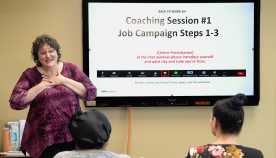


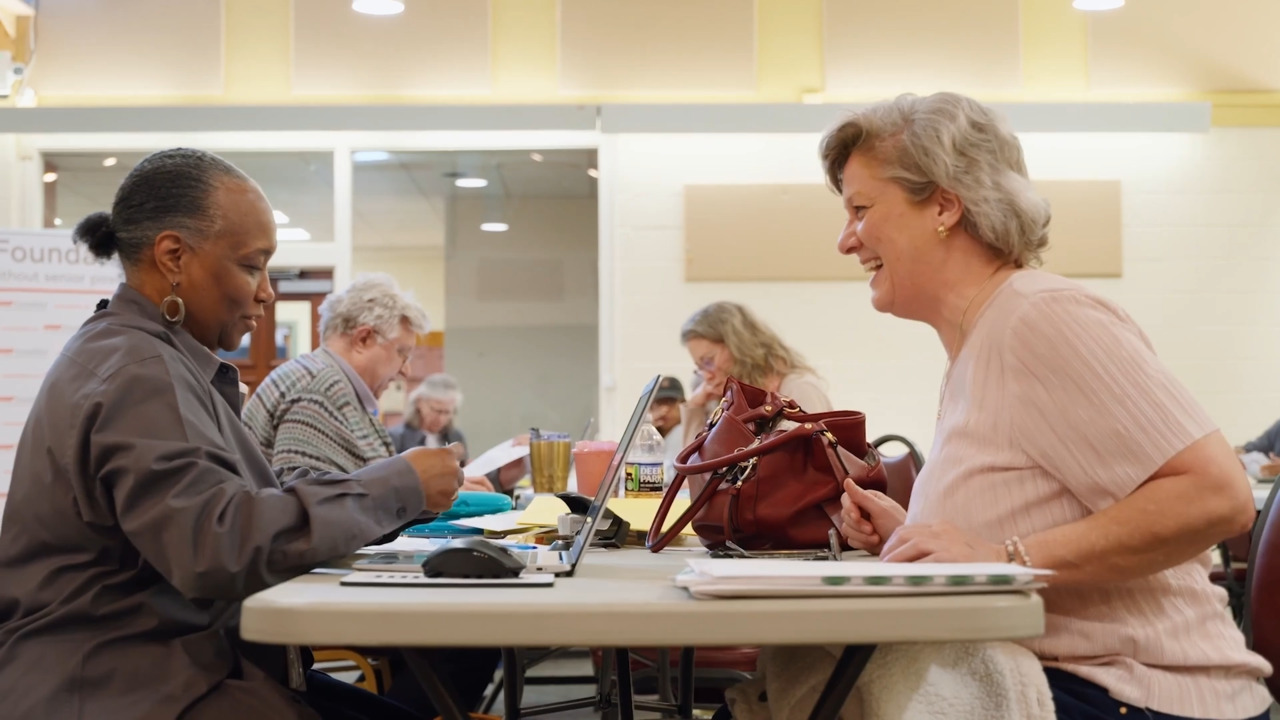











When Jean Mullins of Brevard County, Fla., lost her job at 65, it wasn’t just the end of a paycheck. It was the end of her working life as she had known it.
For more than four decades, Jean had worked for the same entrepreneur and his companies, handling the financial and administrative side of the business. She had never had to look for a job.
After the company’s founder passed away, the new owners shut down Florida operations. Jean was offered a transfer to another state, but she didn’t want to move, choosing to remain with the company as operations wound down. When the plant closed, Jean was unemployed for the first time since the 1980s.
Within months, reality and boredom set in. “I missed working with numbers and interacting with people,” Jean says.
She wasn’t just bored; under the surface, anxiety was growing. Her severance was dwindling, and she worried about the future. “I didn’t want to be 80 and have to go back to work because Social Security wasn’t enough,” she says, “and I’d like to leave my daughter something.” Jean applied for unemployment and began her job search.
Facing the Job Search Later in Life
Looking for work as an older adult felt intimidating from the start. Jean hadn’t applied for a job or updated her résumé in decades, and she had never had to interview. Online applications disappeared into black holes.
“I worried about my age,” Jean says. “They don’t say it out loud, but they look at you and think, ‘we don’t want to put effort into someone who’s only going to stay a couple of years.’”