




















































America has 58 national parks, and yes, you're familiar with such well-known sites as Yellowstone and Yosemite. So we've dug deeper than the Grand Canyon to find top parks that excel in one surprising, spectacular category, from starry skies to soggy ferns, from deep water to daunting dunes. Ready for a road trip? Check out these unique all-American destinations.
Smallest
Hot Springs, Arkansas
(501-624-3383; nps.gov/hosp)
At a mere 5,549 acres, Hot Springs could fit into the largest national park, 8.3 million-acre Wrangell-St. Elias in Alaska, 1,500 times. This little slice of Arkansas protects 47 thermal springs (so hot—143ºF—the water doesn't have to be treated for drinking). Bathhouse Row visitors can still indulge in a traditional tub, steam, or sitz bath, and the restored Fordyce Bathhouse provides a taste of the grand experience that 1920s travelers would have enjoyed in the glory days of American destination spas.
Most Bears
Great Smoky Mountains, Tennessee
(865-436-1200; nps.gov/grsm)
Yogi Bear may rule in Jellystone Park, but he'd have real competition in Great Smoky: the park boasts an average of two black bears per square mile (that's a lot). In the fall, so many bears frequent Cades Cove—an open valley overflowing with grapevines, blackberries, and acorns—that cars of gawking tourists along its 11-mile loop road cause "bear jams." To avoid some of the congestion, try to visit during a weekday morning.
Most Prehistoric
Petrified Forest, Arizona
(928-524-6228; nps.gov/pefo)
Fossilized trees here bear witness to more than 225 million years of history. Once Petrified Forest National Park was a tropical floodplain banked by trees, but time, volcanic ash, and water-borne minerals have preserved ancient logs into a rainbow of colorful rocks, some longer than a city bus. You'll also find some of the nation's best, oldest rock carvings at Puerco Pueblo and Newspaper Rock.
Wettest
Olympic, Washington
(360-565-3000; nps.gov/olym)
With 12 feet (yes, feet) of annual precipitation, Olympic's Hoh Rain Forest easily wins the soggy test. Hoh is awash in lush ferns, moss, and lichens. New growth on fallen trees, called nurse logs, starts to sprout seemingly overnight, particularly in early spring when, though it's still wet and chilly, the leaves are beginning to bud and the rain forest is at its greenest.
Deepest
Crater Lake, Oregon
(541-594-2211; nps.gov/crla)
Set inside a volcanic basin, Crater is 1,943 feet deep, making it the country's deepest lake—and the seventh-deepest in the world. Fed almost entirely by snowfall, the water is ink-blue and incredibly pure. Another below-ground marvel: Mammoth Cave, Kentucky (270-758-2180; nps.gov/maca), the world's longest recorded cave system, with more than 367 miles mapped.
Newest
Great Sand Dunes, Colorado
(719-378-6300; nps.gov/grsa)
A former national monument redesignated as a national park in 2004, this place would make Lawrence of Arabia feel at home. The main dune field covers 30 square miles, with many individual mounds standing 650 feet high. Kids love to "sand slide" on plastic snow dishes, while the rest of us enjoy tamer pursuits such as checking out the elk, bighorn sheep, short-horned lizards, and mule deer.
Most Isolated
Isle Royale, Michigan
(906-482-0984; nps.gov/isro)
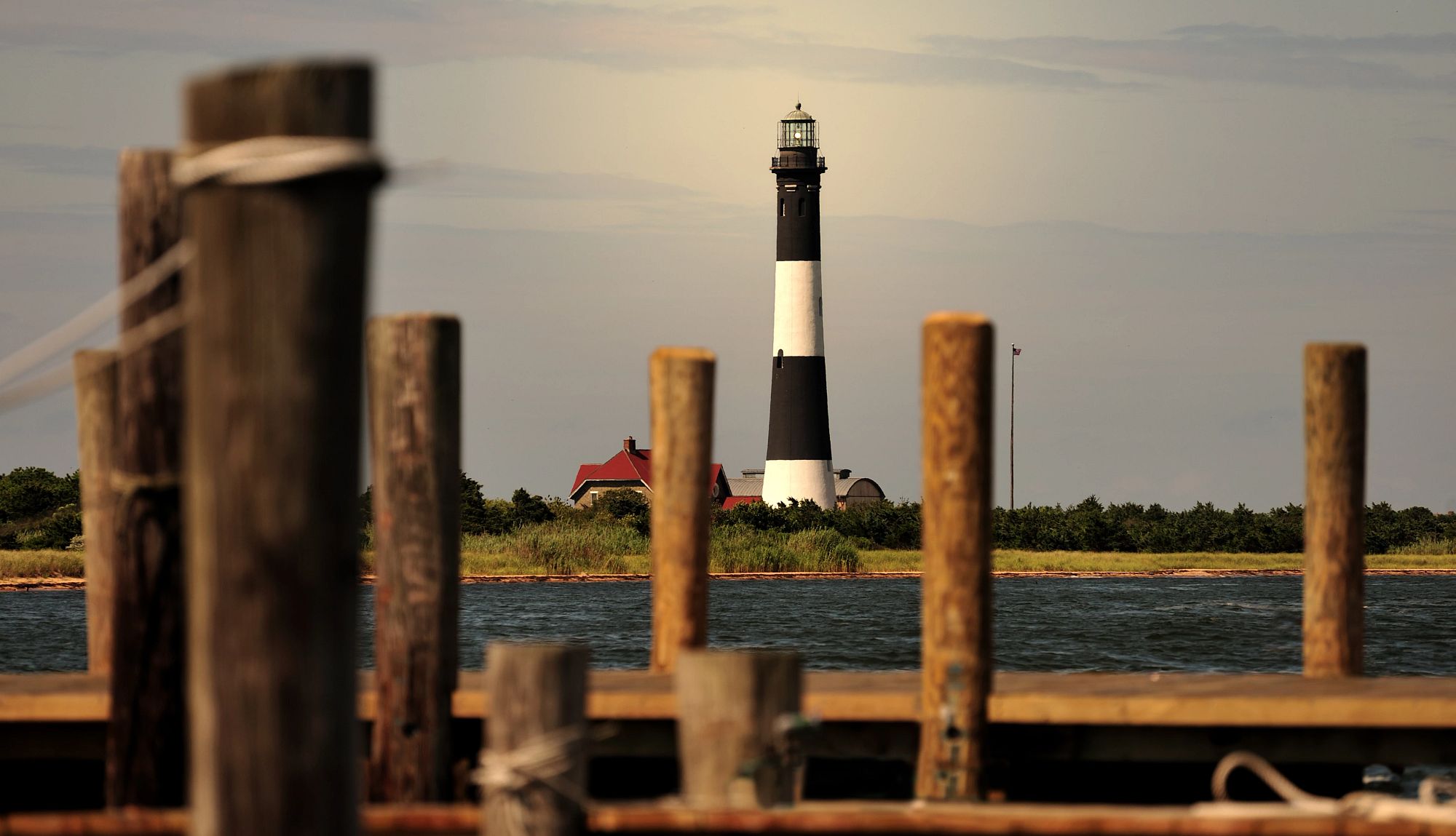
Rising out of the waters of Lake Superior, this primitive, wind-whipped wilderness can be accessed only by seaplane or a three-to-five-hour boat ride. Moose, wolves, and nesting loons roam freely—and you can explore a restored fishery, copper-mining pits, and the decommissioned Rock Harbor Lighthouse.
Tallest and Thickest
Redwood
(707-464-6101; nps.gov/redw) and Sequoia and Kings Canyon, California (559-565-3341; nps.gov/seki)
This one's a tossup: height versus girth. At the first you have coastal redwoods—some of the world's tallest trees—towering up to 38 stories. At the other two are giant sequoias, including the legendary General Sherman, which is only (!) 275 feet tall but has a circumference of 102.6 feet, making it wider than three lanes of traffic.
Darkest
Big Bend, Texas
(432-477-2251; nps.gov/bibe)
Experts at both the International Dark-Sky Association and the National Park Service's Night Sky Program agree that a relatively cloud-free atmosphere and ultra-remote desert location give this Texas park one of the nation's darkest skies for stargazing. Chad Moore, Night Sky Program manager, says that on a clear, moonless night above Big Bend, "the Milky Way is not just easily seen; it's bright enough to cast a shadow."
Least Visited
Kobuk Valley, Alaska
(907-442-3890; nps.gov/kova)
At first it looks like a typo: only 1,565 visitors in 2008? C'mon, the Grand Canyon got 4.4 million! Kobuk is north of the Arctic Circle and accessible exclusively by airplane, boat, or snowmobile. Those who make the trek never forget its spectacular expanse of white desert sand dunes surrounded by tundra and forest. A half million caribou migrate across the Kobuk River—with just themselves for company.


Tell Us WhatYou Think
Please leave your comment below.
You must be signed in to comment.
Sign In | RegisterMore comments »