























































Q: In the aftermath of the Natalee Holloway fiasco in Aruba, and knowing that she is not the only female tourist to mysteriously disappear there, would you still recommend traveling to Aruba? After seeing how Natalee's case, as well as the other tourist disappearances, were handled by the authorities there, I support a total embargo of Aruba. Why would someone support a corrupt and ineffective police/judicial system as Aruba's with tourist dollars?
–Walter Marcus, Kihei, Hawaii
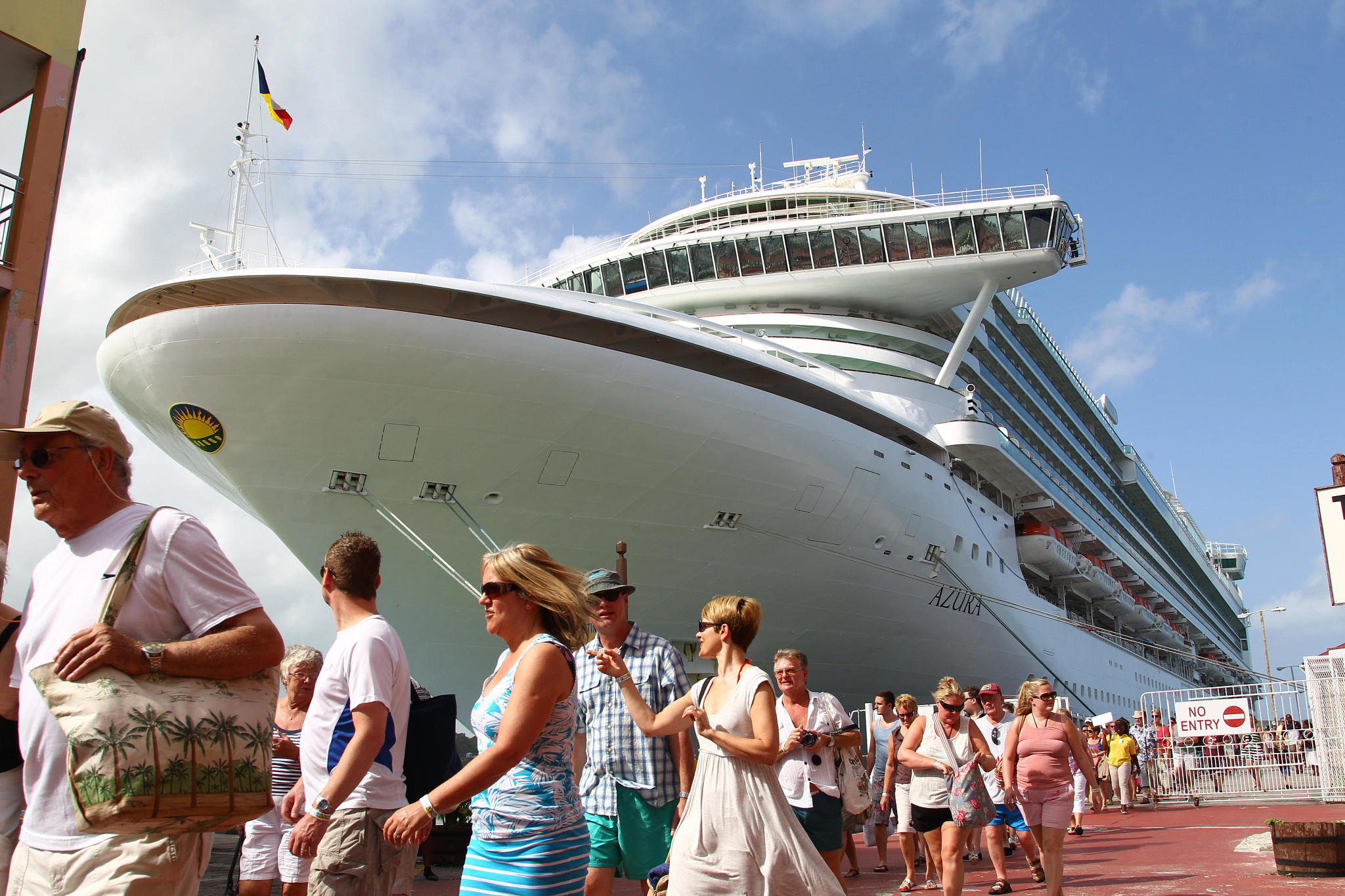
A: I can understand that you might be fearful of going to Aruba because of the Natalee Holloway case, but my research shows it to be an isolated incident. Consider how many people travel there every year (three-quarters of a million, not including more than 1 million day-trippers from cruise ships) versus how many tourists have been victims of violent crime (almost none), and you'll find that Aruba may be much safer than even your own city.
Furthermore, I'm not a big fan of boycotts, because they usually don't have the intended effect, which is forced change. Instead, when you boycott a place that is as dependent on tourism as Aruba is, some might argue that you're putting ordinary people out of work and making it impossible for them to feed their families.
Of course, it is always your decision as to whether to travel to a country or not, based on your own judgment of the risks. However, I highly discourage travelers from avoiding an entire country based on one or two incidents. If everyone did so, we'd end up recluses in our own houses. Bad things happen everywhere. It's hard to name any country in the world that does not have crime, corruption, or pollution to a greater or lesser extent, including some popular destinations in Europe and in our own country.
Would you boycott London because innocent people were falsely accused of being IRA terrorists in the 1980s? Would you boycott Singapore because its police flogged an American teenager once for spray-painting a wall? Would you boycott Los Angeles because a German tourist was murdered there in a street robbery a few years ago?
On the other hand, some places are just too dangerous to go, and I base this evaluation on statistics and facts, not fear stoked by overblown media coverage. Check out my book, "Don't Go There," which categorizes places to avoid by crime, pollution, toxicity, highway deaths, and the like.
Nigeria and Pakistan, for example, are generally not safe places, either for tourists or for natives. Theft, murder, and terrorism are among a few of the dangers you'd face. The same goes for certain border towns in Mexico, such as Ciudad Juarez and Nogales, where drug cartels openly battle each other in the streets, and sometimes innocent people get caught in the crossfire.


Tell Us WhatYou Think
Please leave your comment below.
You must be signed in to comment.
Sign In | RegisterMore comments »