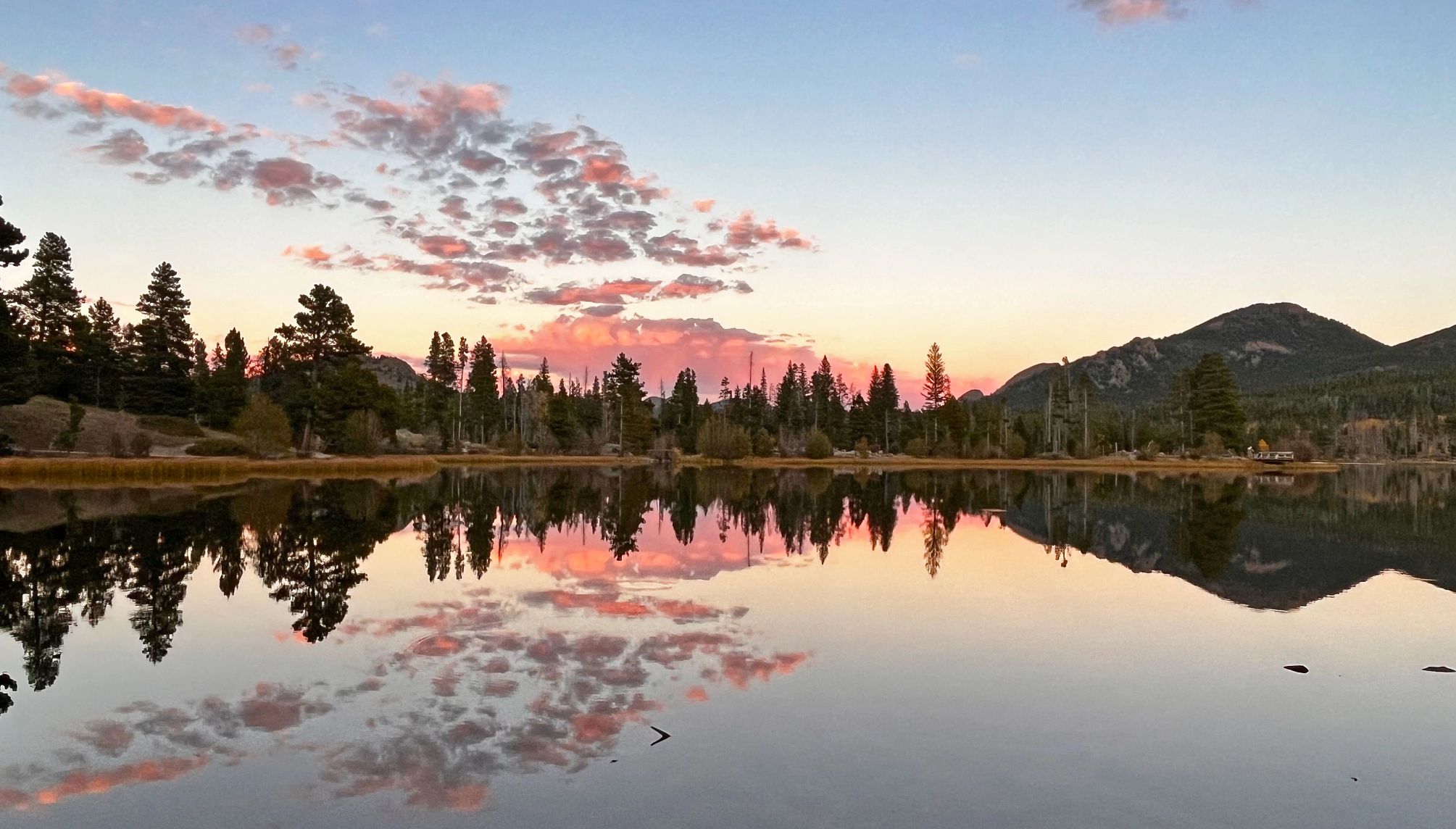






































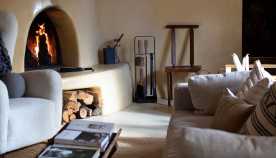













When the early morning sky sears pink and the moon recedes south toward Toulouse, I follow the gravel path to the hen house. Lulu, my feline companion, trots alongside me on the stone wall. At the shepherd's hut we pause to gaze at a view of pastures that has remained largely unchanged since the Middle Ages, when the stone structure was built. The foxes and wild boars that roam the night have returned to the deep woods, and the hens are ready to begin their day. I open the hen-house door, toss corn feed onto the ground, and the hens strut out their brilliant plumage. In their nest are two warm eggs for my omelet.
A northeasterly wind carries the clatter of Raymond Leris's sheep as they clamber from his stone barn. At 7:00 a.m. the bells of L'Église de Saint Leonard toll.
It is my second week in Escamps, a cluster of medieval farms and impossibly narrow roads in southwest France, a region known as The Lot, in the Midi-Pyrénées. There are no shops in this hamlet, only a church, an ancient cemetery, and a tiny bibliothèque whose librarian, Monsieur Dubillion, I nearly ran over in my tiny rented Renault. Still, word of my housesitting at Sophie Dumont's farm, Piepalat, has preceded me, and on my daily walks residents often invite me for a cup of espresso or a slice of their goat cheese. In the language I learned from my French mother, I chat with farmers and masons whose ancestors have lived here for centuries.
I came to Sophie's 200-year-old farmhouse through HouseCarers.com, an Australia-based website that posts housesitting opportunities. I had spent a rainy winter in North Carolina, and with the prospect of another birthday, I was ready for an adventure. My first choice was France, where I had spent many childhood summers. But the dollar was weak, and my trip could cost thousands. There was, however, a less costly and more interesting alternative. Friends who had participated in home-exchange programs—swapping their home for one in Europe for a few vacation weeks—suggested I try that route. The likelihood of finding a home exchanger who would also take on my active hound dogs was slim, I thought. Still, I logged on to one of those websites, which led me to others that post worldwide housesitting and caretaking opportunities. In exchange for taking care of someone else's pet and home, I could stay for free in hundreds of amazing abodes, from a villa in Tuscany or a rustic home in the Scottish Highlands to a Hyde Park flat in London or a bush compound in Zimbabwe. It didn't solve my dog problem, but I was intrigued.
During the day I drive to vineyards and red-roofed villages built on the walls of Roman fortresses.
One opportunity seemed ideal: taking care of cats in a French farmhouse for a few weeks. I e-mailed the homeowner. Remarkably, she replied within days. Sophie Dumont spends extended time in London, where her husband works, and her four cats and five hens need tending at her farm in Escamps. For years she has relied on European or Australian house sitters; I would be her first American. We immediately connected as impassioned animal lovers, and Sophie mailed laminated photos and personal histories of Lulu, Bijoux, Chouchou, and Mia. She also offered me some advice: avoid a local dentist ("We call him the butcher") and "Don't fall in love with a Frenchman!"


Tell Us WhatYou Think
Please leave your comment below.
You must be signed in to comment.
Sign In | RegisterMore comments »