






















































Good Health Rests On A Good Night's Sleep
There is nothing like a good night’s sleep. When you wake up rested, you are ready to take on the day! However, if you are among the 15% of Americans who suffer from insomnia serious enough to require medical attention – the outlook is not so perky.
Your body needs enough rest to work right. In fact, getting enough sleep is one of the most important things you can do for your health, along with eating right and getting enough exercise.
Changes to our sleep patterns are a part of the normal aging process. As we age we tend to have a harder time falling asleep and more trouble staying asleep – which is a problem because research shows that our sleep needs remain constant throughout adulthood and that it is a misconception to think that sleep needs decline as we get older.
Did You Know
- Older women are more likely to experience insomnia than older men
- More than 50% of people older than 64 have some form of sleep condition
- Reducing sleep by as little as 1-1/2 hours for just one night reduces daytime alertness by 1/3
- Excessive daytime sleepiness impairs memory and ability to think and process information
- Long-term sleep deprivation increases risk of high blood pressure, heart attack and stroke
So what is keeping us awake? A number of factors acting alone or in conjunction will often influence our sleep experience.
Physiological Factors
- Changes in the patterns of our sleep (as we age we tend to spend more time in the lighter stages of sleep vs. deep sleep)
- Changes in internal rhythm cycles that coordinate the timing of our bodily functions
- Increase in the number of times we wake up at night related to various factors such as sleep apnea (the more this happens, the less sleep time we accumulate)
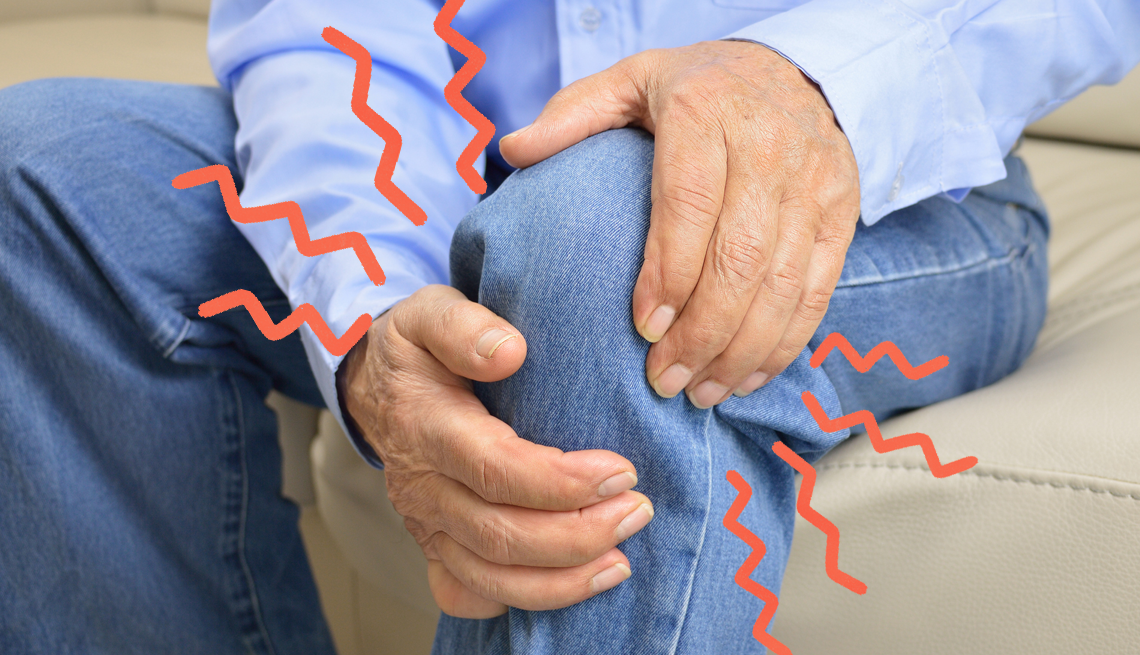
- Chronic pain brought on by health conditions such as arthritis, heartburn or heart disease
- Restless legs or muscle spasms
- Snoring
Psychological Factors
- Depression
- Stress
Environmental/ Personal Factors
- Social or recreational drug use – caffeine, nicotine and alcohol
- Environmental noise – television, radio, snoring, street noise, etc.
- Poor bed/mattress condition
- Poor scheduling – eating and/or exercising too late, napping too long/often during day
If you are having occasional difficulty sleeping or are suffering from insomnia, there is a lot you can do to get a better night’s sleep, feel refreshed when you awake and remain alert throughout the day.
How to Get Back Your ZZZZZs
- Avoid watching TV, eating and discussing emotional issues in bed.
- Minimize noise, light and temperature extremes in the bedroom.
- Try not to drink fluids after 8pm.
- Avoid naps or take short ones (no more than 25 minutes).
- Don’t smoke near bedtime.
- Don’t drink caffeine at least four hours before bedtime.
- Avoid eating, exercising and alcohol before bedtime.
- Do you sleep with a pet? If you have pet allergies this could interfere with a good nights rest or maybe your pet’s movements wake you up. If this is the case, consider getting your pet its own sleeping space.
- Lose weight and exercise regularly to decrease snoring, sleep apnea and other chronic conditions that affect sleep.
- Don’t ignore depression – seek help from family, friends or a professional.
- Reduce stress by practicing meditation or performing relaxation exercises before bedtime. Look into aromatherapy, music or yoga and how these things can help.
- If despite your efforts nothing seems to work, talk to your doctor about other options you might consider.
Don’t deprive yourself of the sleep you need. Remember, everything seems a little better after a good night’s rest!
AARP Resources
Forget Sheep: Walk Your Way to Better Sleep
Article discusses the important role regular exercise can play in your sleeping.
When Stress Gets the Best of You
Suggestions on how to seek help when stress can be too overwhelming to deal with alone.
Handling Your Stress
Suggestions on how to handle stress to keep it from affecting your health.
Additional Resources
National Sleep Foundation
NSF is dedicated to improving public health and safety by achieving understanding of sleep and sleep disorders, and by supporting sleep-related education, research, and advocacy.
National Center on Sleep Disorders
Test your sleep IQ with an interactive quiz, read publications and materials on sleep conditions and find organizations and resources that can help you.
Sleep Education
One of the websites supported by the American Academy of Sleep Medicine, this site provides helpful articles, links, a sleep evaluation and more.
Books
Find these books online at Barnes & Noble.com.
The Insomnia Solution: The Natural, Drug-Free Way to Good Night’s Sleep
Michael Krugman, Barnes and Noble Books, 2005
How to get a Good Night’s Sleep: 75 Natural Sleep Prescriptions
Norman Ford, Barnes and Noble Books, 2000
Why Zebras Don’t Get Ulcers
Robert Sapolsky, Barnes and Noble Books, 2004
Sleep to Save Your Life: The Complete Guide to Living Longer and Healthier Through Restorative Sleep
Gerarld Lombardo and Henry Ehrlich, Barnes and Noble Books, 2005