




















































AARP.org
Connect with the AARP Community, it's free. Log In Sign Up

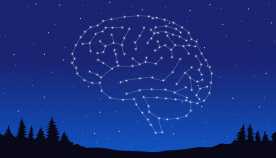
How the Brain Remembers and Learns

How Learning Changes the Brain

It's remarkable to consider that we can change our brains just by learning. Here's why:

Our brains are continually active as we go about our daily lives.

As we learn, our brains adapt to reflect the new information we feed them. Our life experiences literally shape our brains as we age. And, since no two people have the same kinds of experiences and learning, no two brains look exactly alike.

Our brains' ability to adjust their structures to reflect life experiences (scientists call this "plasticity") is what enables us to learn—and to change our brains by learning.

William T. Greenough, PhD, a Dana Alliance member and neurobiologist, explains how our brains work: "The adult brain, and even the adult aging brain, is fine-tuned by experience in both its performance and its abilities. [The brain] essentially organizes itself in accord with its experience to prepare for the future. Since one of the best predictors of future needs is past demands, having a brain that is optimally tuned to prior experience is ideal."

How and Why Our Brains Change

In our brains, plasticity (a brain's ability to adjust its structures to reflect life experiences) is reflected in many different ways.

Much of what we know about how our brains work as we learn comes from studies of laboratory animals engaged in experimental learning situations.

These studies lead us to believe that our brains can respond fairly quickly and stably when we're learning through experience.

Some of the changes that happen in the animals' "plastic brains" when learning occurs are:

  • Nerve cells form more and larger synapses
  • Capillaries (tiny blood vessels that connect veins and arteries) increase in certain areas of the brain, enhancing the flow of blood and oxygen to brain tissue (this may further benefit nerve cells and brain chemical systems)
  • Glial cells—the brain's supportive cells—increase in size and number
  • Myelin, the fatty sheath that wraps axons and enhances the transmission of nerve signals, may increase
  • New neurons may be created (neurogenesis) in the hippocampus, which may enhance learning performance
  • A genetic switch turns newly-learned information into long-term memories, triggering the formation of a new protein.

Because our brains adapt to reflect the new information we feed it, we have the opportunity to improve our ability to learn and think.

This content is brought by Staying Sharp, a partnership between NRTA: AARP's Educator Community and the Dana Alliance for Brain Initiatives.

Email Newsletters

Discover healthy tips on exercise, eating right and personal care.

Health Products & Services

Health Insurance - Dental, long term care and a range of health insurance products.

Health Discounts - Vision and prescription savings.

Fitness Discounts - On nationwide health clubs and personal trainers.

Additional Products & Services

Advertisement


Advertisement

Quick Clicks

Driver Safety Course

Life@50+ | AARP's National Event & Expo

AARP in Your State

Community Exchange

Message Boards

Contact Congress

National Employer Team

Show Your Support
AARP Campaigns

Divided We Fail–together we can do anything.

Using Meds Wisely–be a smart consumer.