


Staying Fit


































































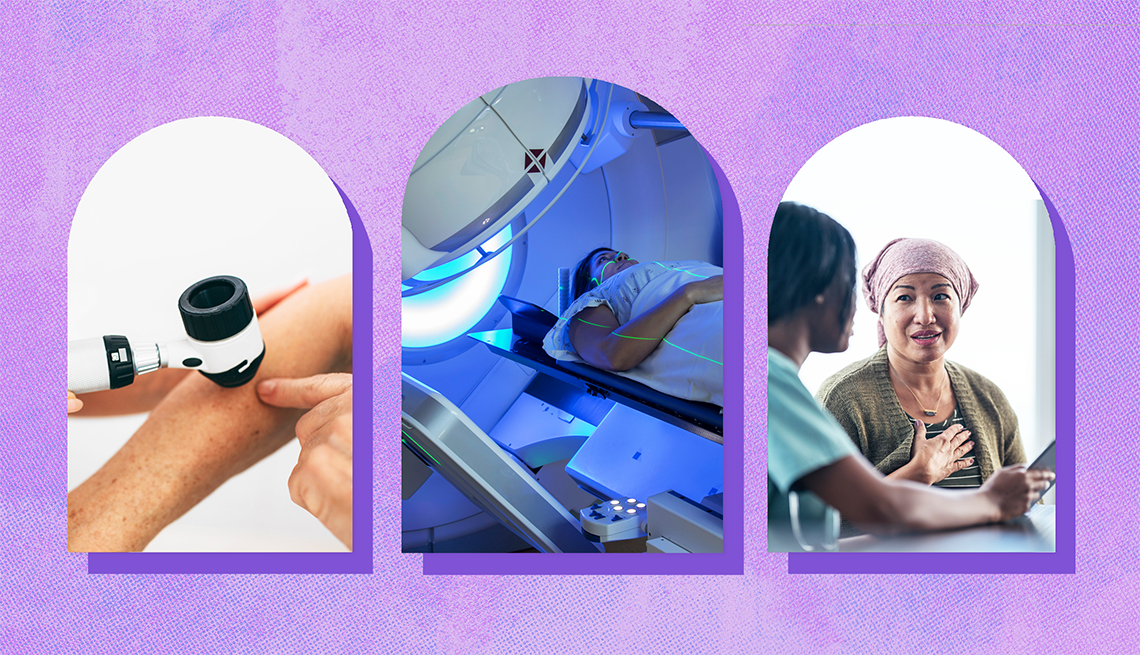
When it comes to your health and well-being, knowledge is power. That’s why AARP has the latest, science-backed information on habits that support your health as you age, exercises that benefit your body and mind, and so much more.

Get instant access to members-only products and hundreds of discounts, a free second membership, and a subscription to AARP the Magazine.
Flexible Work
AARP Skills Builder
ON-DEMAND WEBINARS
Webinars
Enrollment
Basics
Medicare Made Easy
Enrollment Guide
Prescription Drugs
Medicare FAQs
LONG-TERM CARE
State Guides
Prepare to Care Guides
End of Life
Home Technology
AI Technology
Virtual Community Center

Brain Health
22 science-backed ways to boost your cognitive performance
Join AARP today for $16 per year. Get instant access to members-only products and hundreds of discounts, a free second membership, and a subscription to AARP The Magazine.

AARP Membership
$12 for your first year when you sign up for Automatic Renewal
Get instant access to members-only products and hundreds of discounts, a free second membership, and a subscription to AARP the Magazine.
Drugs and Supplements
Conditions and Treatments
AARP IN YOUR STATE
Find AARP offices in your State and News, Events and Programs affecting retirement, health care and more.

Tips For Living Your Best Life
When it comes to your health and well-being, knowledge is power. That’s why AARP has the latest, science-backed information on habits that support your health as you age, exercises that benefit your body and mind, and so much more.
Stay Informed, Stay In Touch