




















































The budget session of the Wyoming State Legislature is still a few months away. Lawmakers know the revenue picture for the upcoming cycle will be brighter than it has been in recent years when cuts to state spending were put in place. They also know it will be nowhere near the billion-dollar surpluses that Wyoming has enjoyed in the past decade.
“Revenues are increasing, and it’s going to be far better than we’ve dealt with in the last two years,” Sen. Marty Martin, D-Rock Springs, said. “Sales tax is increasing, severance tax is increasing and federal mineral royalties are probably also increasing,” he said, naming three major sources of income for the State of Wyoming.
Some lawmakers are taking a more cautious tack.
“It’s really premature to talk about it,” Sen. Phil Nicholas, R-Laramie said. Nicholas is the Senate chairman of the legislature’s Joint Appropriations Committee, whose job it is to review the state budget. If a surplus happens, it won’t be large, and it’s likely to be consumed by funding for cities, towns and counties, inflation and expanding fuel costs. “We have expanded the size of state government grossly in the past decade,” he said. “We have to halt that growth.”
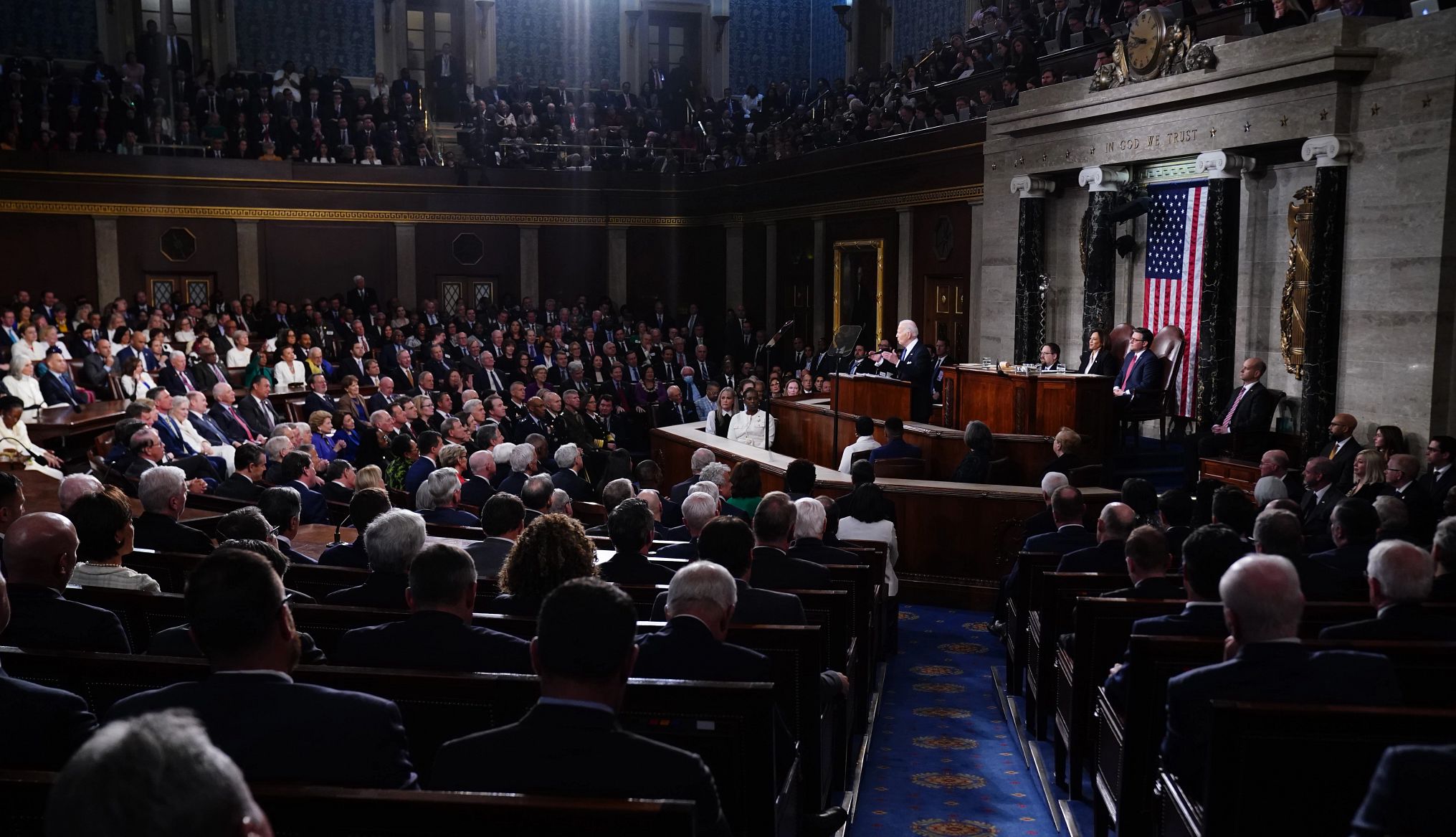
The Wyoming legislature operates on a two-year budget cycle. The upcoming budget session, which starts in February, will set the budget for the coming biennium that starts July 1, 2012. The focus of the session is on setting state spending priorities; any bill that not’s a budget bill requires the agreement of two-thirds of the lawmakers in either chamber to be considered. The general session, during which any bill including adjustments to the budget may be considered, will take place in January 2013.
By December 1, Wyoming Gov. Matt Mead will announce his budget priorities; the basis for those is the budgets the departments and agencies of state government have submitted to the governor’s office for consideration.
In January, the Consensus Revenue Estimating Group will issue its projection for state revenues over the next several years.
Generally, the legislature’s Joint Appropriations Interim Committee holds a series of budget review hearings before the budget session gets under way in February. During the course of the legislative session, bills with spending not included in the governor’s proposed spending plan will also be considered and factored into the state budget.
The budget bill is considered in each of the chambers in turn, with three rounds of debate each during which amendments may be made. Once the House of Representatives and Senate have reached their own consensus on what the state budget should look like, those versions are reconciled through the work of a conference committee. When agreement is reached, the bill is sent to the governor for his signature. The governor has the ability to veto the budget, but he cannot threaten a veto.
The success of funding requests for a number of programs rests with something over which the legislature has no control, Nicholas said – mineral revenues. Because excess mineral capacity exists and consumption is lower, prices are lower and so is the resulting revenue from severance tax, he said. The global market, which is a driver of the state’s economy in the form of energy sales to China, is also contracting.
Join
AARP
Get exclusive member benefits & affect social change. Join Today


Tell Us WhatYou Think
Please leave your comment below.
You must be signed in to comment.
Sign In | RegisterMore comments »