



Staying Fit


























































AARP Membership
$12 for your first year when you sign up for Automatic Renewal
Get instant access to members-only products and hundreds of discounts, a free second membership, and a subscription to AARP the Magazine.
More News

5 Things to Know This Week
This Week's Episode: Signs of Heart Issues
Also: When saving money costs you


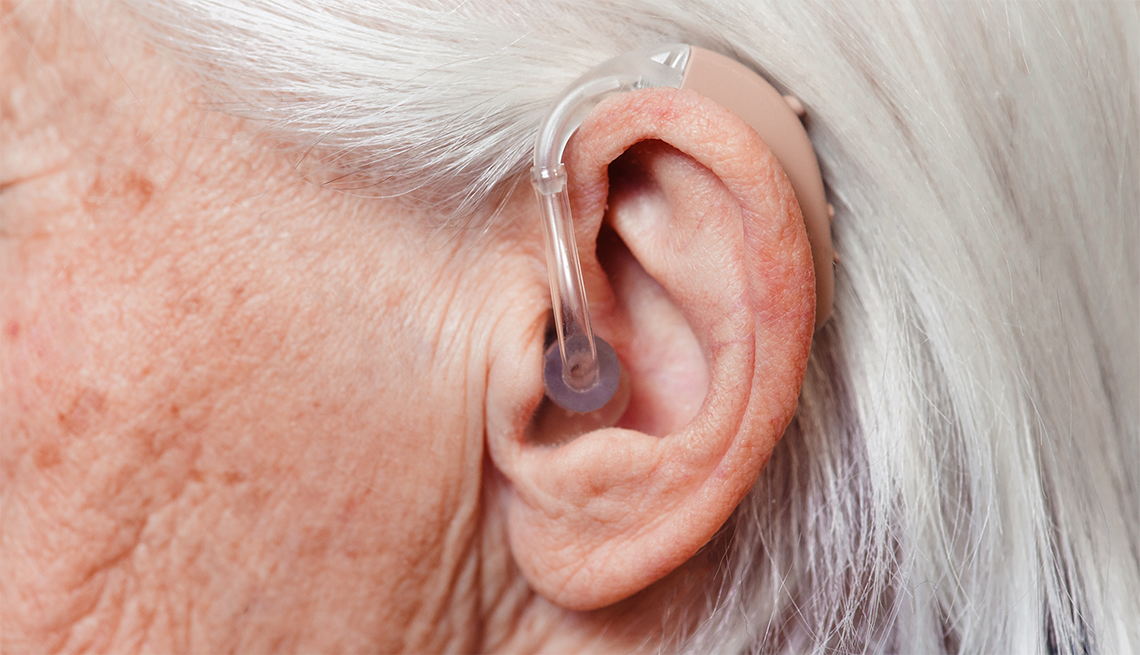
Hearing Resource Center
How to Protect Your Hearing When You Have Hearing Aids
Prevent hearing loss from progressing



Recommended for You
How AARP Is Fighting for You Every Day!
AARP is your fierce defender
- FCC Vote Restoring Net Neutrality a Win for Older Consumers
- AARP Is up for 7 Shorty Awards — Vote for Your Favorite
- AARP Applauds Federal Rule to Protect Retirement Savers From Bad Advice
- AARP to Congress: Ease Caregiver Access to Health, Financial Programs
- Anniversary of Executive Order Marks ‘Pivotal’ Moment for Caregivers
In Case You Missed It



Smart Ways to Use Your Money




More From AARP


The Girlfriend From AARP
It's a Happiness Contest From 'The Girlfriend'
Tell us what makes you happy




AARP IN YOUR STATE
Find AARP offices in your State and News, Events and Programs affecting retirement, health care and more.


Stay Informed, Stay In Touch
